




Hey there! As a supplier of ESS (Environmental Stress Screening) chambers, I'm super stoked to chat with you about one of the key features that can make or break the performance of these chambers: the dust-proof design.
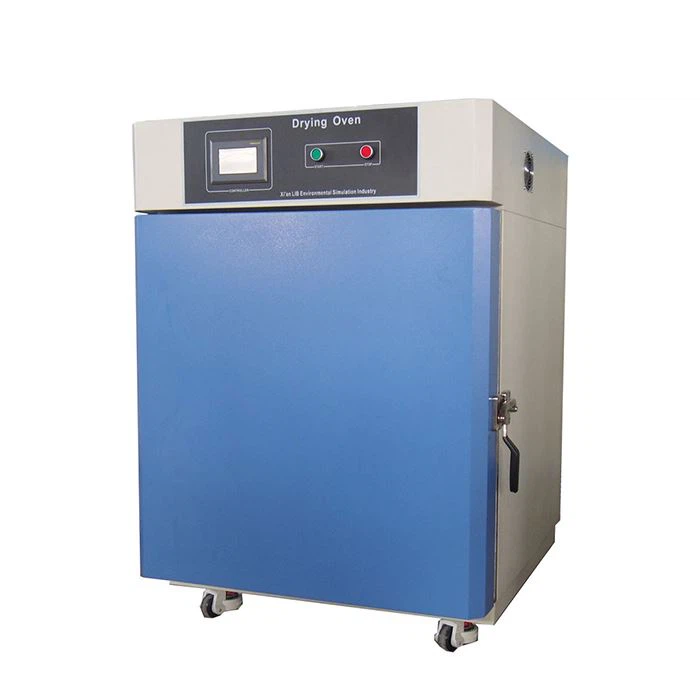

Let's kick things off by understanding why dust-proof design is such a big deal in an ESS chamber. You see, ESS chambers are used to simulate a wide range of environmental conditions to test the reliability and durability of various products. Whether it's electronics, automotive components, or aerospace parts, these products need to be tested in conditions that closely mimic the real world. And in the real world, dust is everywhere.
Dust can cause a whole host of problems in an ESS chamber. It can clog air filters, which reduces the efficiency of the chamber's ventilation system. This, in turn, can lead to uneven temperature and humidity distribution inside the chamber, affecting the accuracy of the test results. Dust can also accumulate on sensitive electronic components, causing short circuits or other malfunctions. In some cases, it can even damage the chamber's heating, cooling, and control systems, leading to costly repairs and downtime.
So, how do we design an ESS chamber to be dust-proof? Well, it all starts with the materials and construction. We use high-quality, smooth-surfaced materials that are resistant to dust adhesion. These materials are carefully selected to ensure that they don't attract or trap dust particles. For example, the interior walls of our chambers are made of stainless steel, which is not only durable but also easy to clean.
In addition to the materials, we pay close attention to the chamber's sealing. A well-sealed chamber is essential for preventing dust from entering. We use special gaskets and seals around all the doors, windows, and access ports to create an airtight barrier. These seals are designed to withstand the rigors of repeated use and temperature changes, ensuring a long-lasting and effective dust seal.
Another important aspect of dust-proof design is the ventilation system. Our ESS chambers are equipped with a high-efficiency air filtration system that removes dust particles from the incoming air. The filters are designed to capture even the smallest dust particles, ensuring that the air inside the chamber is clean and free of contaminants. We also use a positive pressure ventilation system, which means that the air pressure inside the chamber is slightly higher than the outside air pressure. This helps to prevent dust from entering the chamber through any small gaps or cracks.
Let's take a closer look at some of the specific features of our dust-proof ESS chambers. First up, we have the Climate Standards Enviromental Oven Climate Standards Enviromental Oven. This chamber is designed for high-temperature testing and is equipped with a state-of-the-art dust-proof design. The oven's interior is lined with a smooth, non-stick coating that prevents dust from sticking to the walls. The ventilation system is also designed to minimize dust accumulation, with a high-efficiency air filter that captures even the smallest dust particles.
Next, we have the Condensation Temperature Test Chamber Condensation Temperature Test Chamber. This chamber is used to simulate condensation and humidity conditions, which can be particularly challenging when it comes to dust control. Our design features a sealed chamber with a special moisture-resistant coating that prevents dust from adhering to the walls. The ventilation system is also optimized to remove moisture and dust from the air, ensuring a clean and stable testing environment.
Finally, we have the Cryogenic Chamber Cryogenic Chamber. This chamber is designed for low-temperature testing and requires a different approach to dust-proof design. The chamber's interior is made of a special cryogenic-resistant material that is not only durable but also resistant to dust adhesion. The ventilation system is designed to prevent ice and frost from forming on the filters, which can reduce their efficiency. We also use a special defrosting system to ensure that the filters remain clean and functional at all times.
In conclusion, a dust-proof design is essential for the performance and reliability of an ESS chamber. By using high-quality materials, a well-sealed construction, and an efficient ventilation system, we can ensure that our chambers provide a clean and stable testing environment for your products. If you're in the market for an ESS chamber, I encourage you to consider our dust-proof designs. We're confident that you'll be impressed with the quality and performance of our chambers.
If you have any questions or would like to learn more about our ESS chambers, please don't hesitate to reach out. We're here to help you find the perfect solution for your testing needs. Let's start a conversation and see how we can work together to ensure the success of your products.
References
- Industry standards and best practices for environmental testing chamber design
- Technical specifications and product literature from our ESS chamber manufacturing process