


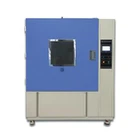


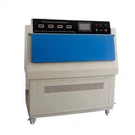
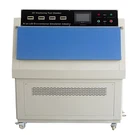
Hey there! As a supplier of lab ovens, I often get asked about how to install a data-logging device on a lab oven. It's a crucial step if you want to keep track of temperature, humidity, and other important parameters accurately. In this blog, I'll walk you through the whole process step by step.
Why You Need a Data-Logging Device
Before we dive into the installation process, let's talk about why you need a data-logging device in the first place. A lab oven is used for all sorts of experiments and processes where precise environmental conditions are key. By installing a data-logging device, you can monitor and record the conditions inside the oven over time. This data is super valuable for quality control, compliance with regulations, and troubleshooting any issues that might pop up.
What You'll Need
First things first, gather all the necessary tools and materials. You'll need:
- A compatible data-logging device. Make sure it's designed to work with your specific lab oven model.
- Mounting hardware, like screws or adhesive pads, depending on the type of installation.
- Wires or cables for connecting the data-logging device to the oven and a power source.
- A computer or mobile device to access and analyze the data.
Step 1: Choose the Right Location
The first step in installing a data-logging device is to find the right spot inside the lab oven. You want to place it in an area where it can accurately measure the conditions you're interested in. Avoid placing it too close to heating elements or vents, as this can give you inaccurate readings. A good rule of thumb is to place it in the center of the oven or as close to the samples as possible.
Step 2: Prepare the Oven
Before you start mounting the data-logging device, make sure the oven is turned off and cooled down. This will prevent any accidents and make the installation process safer. Clean the area where you plan to mount the device to ensure a good connection.
Step 3: Mount the Data-Logging Device
Now it's time to mount the data-logging device. If you're using screws, drill holes in the oven wall at the chosen location and secure the device using the provided screws. If you're using adhesive pads, simply peel off the backing and stick the device in place. Make sure it's firmly attached and won't move around during operation.
Step 4: Connect the Wires
Once the device is mounted, it's time to connect the wires. Follow the manufacturer's instructions carefully to ensure you connect the wires correctly. You'll typically need to connect the device to a power source and to the oven's control system. This may involve using a serial cable, USB cable, or wireless connection, depending on the device.
Step 5: Configure the Device
After connecting the wires, you'll need to configure the data-logging device. This involves setting up the parameters you want to measure, such as temperature, humidity, and time intervals. You can usually do this using a software application on your computer or mobile device. Follow the instructions provided with the device to complete the configuration process.


Step 6: Test the Device
Once you've configured the device, it's time to test it. Turn on the oven and let it reach the desired temperature and humidity levels. Check the data-logging device to make sure it's recording the data correctly. You can do this by accessing the data on your computer or mobile device. If you notice any issues, double-check the connections and configuration settings.
Step 7: Monitor and Analyze the Data
Now that the data-logging device is installed and working properly, you can start monitoring and analyzing the data. Regularly check the data to ensure the oven is operating within the desired parameters. You can use the data to identify any trends or issues and make adjustments as needed. This will help you maintain the quality of your experiments and ensure compliance with regulations.
Benefits of Using a Data-Logging Device
Using a data-logging device on your lab oven offers several benefits:
- Accurate Monitoring: You can get real-time data on temperature, humidity, and other parameters, allowing you to make informed decisions.
- Quality Control: By monitoring the conditions inside the oven, you can ensure the quality of your samples and experiments.
- Compliance: Many industries have regulations regarding environmental conditions. A data-logging device helps you meet these requirements.
- Troubleshooting: If there are any issues with the oven, the data can help you identify the problem and take corrective action.
Related Products
If you're interested in other testing equipment, we also offer a range of products such as Thermal Shock Test Machine, Salt Spraying Chamber, and UV Preconditioning Test Chamber. These products can complement your lab oven and enhance your testing capabilities.
Contact Us for Purchase
If you're looking to purchase a data-logging device or any of our other products, we'd love to hear from you. We offer high-quality products at competitive prices and excellent customer service. Whether you have questions about installation, configuration, or any other aspect of our products, our team of experts is here to help. Contact us today to start a purchase negotiation and take your lab testing to the next level.
References
- Manufacturer's instructions for the data-logging device.
- Industry standards and regulations for lab oven operation.