

Hey there! I'm a supplier of cold rooms, and I often get asked this question: "What size should a cold room be for a small business?" Well, it's not a one - size - fits - all answer, and in this blog, I'll break down the factors you need to consider to figure out the right size for your small business.
First off, let's talk about what kind of small business we're dealing with. There are different types of businesses that need cold rooms, like restaurants, florists, pharmacies, and small food retailers. Each of these has different requirements when it comes to the size of the cold room.
Restaurant Cold Rooms
Restaurants need cold rooms to store all sorts of food items, from fresh produce to meats and dairy products. The size of the cold room for a restaurant depends on a few things.
Menu and Inventory
If your restaurant has a large and diverse menu, you'll need more space to store all the ingredients. For example, a fine - dining restaurant that offers a wide range of seafood, exotic vegetables, and artisanal cheeses will need a bigger cold room compared to a fast - food joint that mainly stocks burgers, fries, and a few types of condiments.
A general rule of thumb is to estimate about 1 - 2 cubic feet of storage space per menu item. So, if you have 100 different menu items, you might need a cold room that's at least 100 - 200 cubic feet. But this is just a rough estimate. You also need to consider how much of each item you typically keep in stock.
Peak Business and Delivery Schedules
Think about your busiest days and how much food you go through. If you have a large dinner rush on weekends, you'll need to have enough inventory on hand. Also, consider your delivery schedules. If you get deliveries once a week, you'll need to store enough food to last you until the next delivery.
For a small to medium - sized restaurant, a cold room that's around 200 - 500 cubic feet might be sufficient. This gives you enough space to store your perishables without taking up too much of your valuable floor space.
Florist Cold Rooms
Florists rely on cold rooms to keep their flowers fresh. The size of the cold room for a florist depends on the volume of flowers they sell and the variety they carry.
Flower Volume and Variety
If you're a florist who specializes in large wedding arrangements and sells a lot of high - end flowers, you'll need a bigger cold room. On the other hand, a small neighborhood florist who mainly sells small bouquets might get away with a smaller one.
A good starting point is to calculate about 0.5 - 1 cubic foot of space per dozen flowers. So, if you typically have 50 dozen flowers in stock at any given time, you'll need a cold room that's at least 25 - 50 cubic feet.
Display and Storage Needs
Florists also need to consider how they'll display and store their flowers. Some cold rooms have built - in racks and shelves for easy access and organization. You'll need to factor in the space these fixtures take up when determining the size of your cold room.
For a small florist, a cold room in the range of 50 - 150 cubic feet should be enough to keep their flowers fresh and organized.
Pharmacy Cold Rooms
Pharmacies need cold rooms to store temperature - sensitive medications. The size of the cold room for a pharmacy is determined by the number of medications they stock and the storage requirements of those medications.
Medication Inventory
Different medications have different storage requirements. Some need to be kept at a specific temperature range, and others need to be stored in special containers. You'll need to know exactly what medications you're storing and how much space they'll take up.
A small pharmacy might have a few hundred different medications in stock. You'll need to estimate about 0.1 - 0.2 cubic feet of space per medication. So, if you have 500 medications, you'll need a cold room that's at least 50 - 100 cubic feet.
Regulatory Requirements
Pharmacies also have to comply with strict regulatory requirements when it comes to storing medications. These regulations might require a certain amount of space for proper ventilation and access to the medications. Make sure you check with your local regulatory authorities to ensure you're meeting all the requirements.
For a small pharmacy, a cold room of around 100 - 200 cubic feet is usually a good size.
Small Food Retailers
Small food retailers, like convenience stores and delis, need cold rooms to store a variety of food products. The size of the cold room for these businesses depends on the types of products they sell and the volume of sales.
Product Range and Sales Volume
If you sell a lot of fresh meats, dairy products, and frozen foods, you'll need a bigger cold room. A convenience store that mainly sells pre - packaged snacks and drinks might need a smaller one.
Estimate about 1 - 3 cubic feet of space per product line. So, if you have 200 different product lines, you'll need a cold room that's at least 200 - 600 cubic feet.
Customer Demand
Consider your customer demand. If you're in a high - traffic area and have a lot of customers buying cold products, you'll need to keep more inventory on hand. This means you'll need a larger cold room.
For a small food retailer, a cold room in the range of 300 - 800 cubic feet might be appropriate.
Other Considerations
Future Growth
When deciding on the size of your cold room, it's important to think about future growth. You don't want to be stuck with a cold room that's too small in a year or two. If you plan to expand your business, it might be worth investing in a slightly larger cold room now.
Space Availability
Of course, you also need to consider the space you have available in your business. You don't want to take up too much of your floor space with a cold room. Measure the area where you plan to install the cold room and make sure it will fit.
Energy Efficiency
Larger cold rooms generally use more energy. You'll need to balance the size of the cold room with your energy costs. Look for energy - efficient models that can help you save money in the long run.
Our Cold Room Solutions
At our company, we offer a wide range of cold room sizes to meet the needs of small businesses. Whether you're a restaurant, florist, pharmacy, or small food retailer, we have the perfect solution for you.
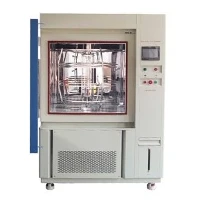
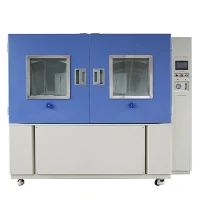
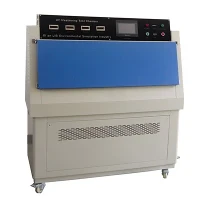
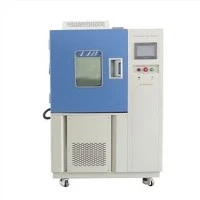
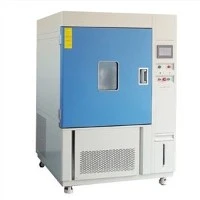
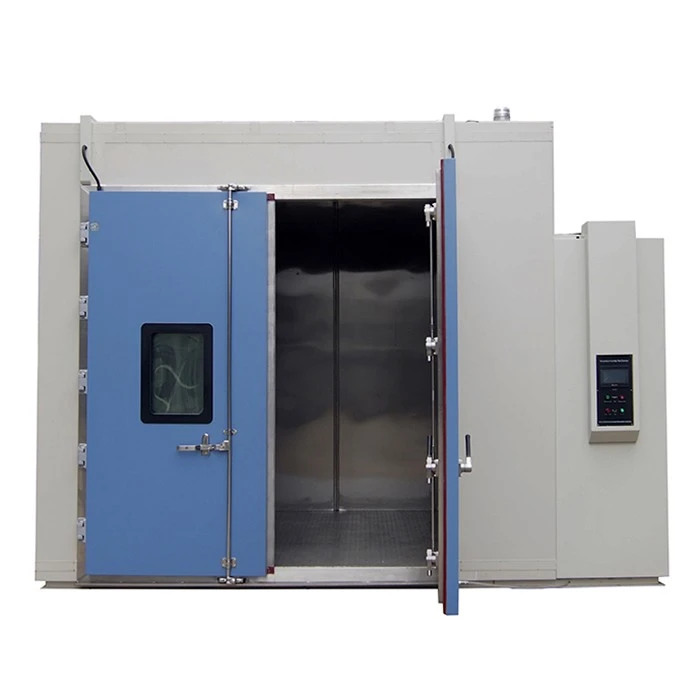
We also have some great options like the Drive In Environmental Test Chamber, Climatic Walk in Chambers, and Walk in Stability Chamber that provide precise temperature control and excellent storage conditions.

If you're still not sure what size cold room is right for your small business, don't worry. Our team of experts is here to help you. We can come to your business, assess your needs, and recommend the perfect cold room size for you.
Conclusion
Figuring out the right size of a cold room for a small business isn't always easy. It depends on a variety of factors, including the type of business, inventory, peak business, and future growth plans. But with the right information and a little planning, you can find the perfect cold room for your needs.
If you're interested in learning more about our cold room solutions or want to discuss your specific requirements, we'd love to hear from you. Just reach out to us, and we'll start the conversation about getting you the ideal cold room for your small business.
References
- "Food Storage Guidelines for Restaurants", National Restaurant Association
- "Flower Preservation and Storage", American Floral Endowment
- "Pharmaceutical Storage Regulations", Food and Drug Administration
- "Retail Food Storage Best Practices", National Retail Federation