




When it comes to testing the water resistance of products under the IPx8 standard, one of the pesky issues that often pops up is dealing with air bubbles. As a supplier of IPx8 testers, I've seen firsthand how these tiny bubbles can mess with the accuracy of test results. In this blog, I'm gonna share how our IPx8 testers handle air bubbles during the testing process.
Why Air Bubbles Matter in IPx8 Testing
First off, let's understand why air bubbles are such a big deal in IPx8 testing. The IPx8 standard is all about ensuring that a product can withstand immersion in water under specific conditions, like a certain depth and duration. Air bubbles can create false readings. For example, if an air bubble gets trapped near a potential leak point on the product, it might seem like there's no water ingress when in fact, water could seep in once the bubble moves or dissipates. This can lead to products being wrongly certified as IPx8 compliant, which is a huge problem for both manufacturers and end - users.
How Our IPx8 Testers Detect Air Bubbles
Our IPx8 testers are equipped with advanced detection mechanisms. We use high - resolution cameras that are placed strategically around the test chamber. These cameras continuously monitor the surface of the product being tested. When an air bubble appears, it shows up as a distinct shape on the camera feed. The software then analyzes the size, movement, and location of the bubble.
In addition to cameras, we also use ultrasonic sensors. Ultrasonic waves are sent through the water in the test chamber. When an air bubble is present, it disrupts the normal propagation of these waves. The sensors can detect these disruptions and send signals to the control system. This dual - detection approach ensures that even the smallest air bubbles don't go unnoticed.
Strategies to Eliminate Air Bubbles
Once an air bubble is detected, our IPx8 testers have several strategies to get rid of it. One of the simplest methods is agitation. We can program the tester to gently shake or stir the water in the test chamber. This movement helps to dislodge air bubbles from the surface of the product. The agitation is carefully calibrated so that it doesn't affect the product being tested or the overall testing conditions.

Another effective technique is pressure adjustment. We can slightly increase or decrease the pressure in the test chamber. A change in pressure can cause the air bubbles to expand or contract, making them more likely to rise to the surface and escape. This method is particularly useful for bubbles that are stubbornly attached to the product.
Sometimes, we also use a degassing process before the test begins. We pre - treat the water in the test chamber by passing it through a degassing unit. This unit removes dissolved air from the water, reducing the likelihood of air bubbles forming during the test.
Impact on Test Results
Handling air bubbles properly has a significant impact on the accuracy of test results. By eliminating air bubbles, we can ensure that the test accurately reflects the water resistance of the product. This means that manufacturers can have confidence in the IPx8 certification of their products. It also helps end - users to trust that the products they purchase can truly withstand the intended water - immersion conditions.
For example, in the case of electronic devices, accurate IPx8 testing is crucial. A false pass due to undetected air bubbles could lead to water damage, which can render the device useless and potentially cause safety hazards. On the other hand, a false fail can result in unnecessary re - testing and delays in product launches.
Related Testing Equipment
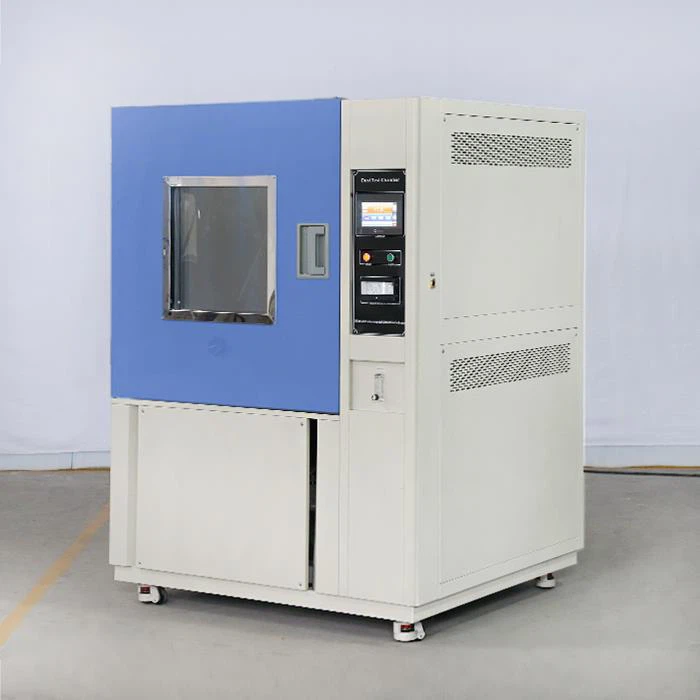
If you're also interested in other types of IP testing, we have a range of related equipment. Check out our Sand Dust Ingress Test Chamber for testing products' resistance to sand and dust. Our IP Water Proof Test Chamber is suitable for a variety of water - proofing tests, and the IP67 Water Test Equipment is specifically designed for IP67 standard testing.
Contact Us for Purchase and Consultation
If you're in the market for an IPx8 tester or have any questions about air bubble handling during testing, don't hesitate to reach out. Our team of experts is ready to assist you with all your IP testing needs. Whether you're a small - scale manufacturer or a large - scale enterprise, we can provide the right solution for you.
References
- ASTM International. (Year). Standard Test Methods for Evaluating Water Resistance of Enclosures.
- International Electrotechnical Commission (IEC). (Year). IEC 60529 - Degrees of protection provided by enclosures (IP Code).