

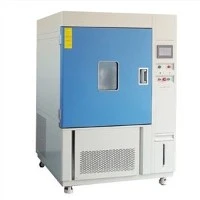
In the pursuit of clean and healthy air, air purification technologies have witnessed remarkable advancements over the years. Among these, UV (ultraviolet) chambers have emerged as a powerful tool in removing various pollutants from the air. As a leading UV chamber supplier, we understand the significance of these devices in combating air pollution and improving indoor air quality. In this blog post, we will explore the types of pollutants that can be effectively removed by a UV chamber in air purification.
Understanding UV Chambers in Air Purification
UV chambers utilize ultraviolet light to inactivate or destroy harmful microorganisms and pollutants present in the air. The ultraviolet light, particularly in the UV-C range (200 - 280 nm), has germicidal properties that can break down the DNA and RNA of microorganisms, rendering them unable to reproduce and causing their eventual death. Additionally, UV light can initiate chemical reactions that break down volatile organic compounds (VOCs) and other pollutants.
Microorganisms
One of the primary pollutants that UV chambers can remove from the air is microorganisms, including bacteria, viruses, and mold spores. These microscopic organisms can cause a variety of health problems, such as respiratory infections, allergies, and asthma.
- Bacteria: Bacteria are ubiquitous in the environment and can easily spread through the air. Some common airborne bacteria include Staphylococcus aureus, Escherichia coli, and Streptococcus pneumoniae. UV light can penetrate the cell walls of bacteria and damage their genetic material, preventing them from multiplying and causing infections. For example, studies have shown that UV chambers can significantly reduce the concentration of airborne bacteria in hospitals, schools, and other public places, helping to prevent the spread of infectious diseases.
- Viruses: Viruses are even smaller than bacteria and can be extremely contagious. Airborne viruses, such as influenza virus, rhinovirus, and coronavirus, can cause respiratory illnesses and spread rapidly in crowded spaces. UV light can disrupt the structure of viruses and render them non - infectious. In fact, UV disinfection has been used in healthcare settings for many years to reduce the risk of viral transmission. A well - designed UV chamber can effectively inactivate airborne viruses, providing a safer environment for occupants.
- Mold Spores: Mold is a type of fungus that can grow in damp and poorly ventilated areas. When mold spores become airborne, they can cause allergic reactions and respiratory problems in sensitive individuals. UV light can prevent the growth and spread of mold by killing the mold spores in the air. By installing a UV chamber in areas prone to mold growth, such as basements, bathrooms, and kitchens, you can significantly reduce the presence of mold spores and improve indoor air quality.
Volatile Organic Compounds (VOCs)
VOCs are organic chemicals that have a high vapor pressure at room temperature. They are commonly found in household products, such as paints, solvents, cleaning agents, and furniture. Exposure to VOCs can cause a range of health effects, including headaches, dizziness, nausea, and irritation of the eyes, nose, and throat.
UV chambers can help to break down VOCs through a process called photolysis. When UV light interacts with VOC molecules, it can break the chemical bonds within the molecules, converting them into less harmful substances. For example, benzene, a known carcinogen commonly found in gasoline and some industrial solvents, can be degraded by UV light into carbon dioxide and water. Similarly, formaldehyde, a common VOC emitted by new furniture and building materials, can be oxidized by UV light to form formic acid and eventually carbon dioxide and water. By reducing the concentration of VOCs in the air, UV chambers can create a healthier and more comfortable indoor environment.
Odors
Unpleasant odors in the air can be caused by a variety of sources, such as cooking, smoking, pets, and sewage. These odors can not only be annoying but also indicate the presence of potentially harmful pollutants. UV chambers can help to eliminate odors by breaking down the odor - causing molecules.
Many odor - causing compounds are organic in nature and can be affected by UV light. For instance, sulfur - containing compounds, which are responsible for the characteristic smell of rotten eggs and some industrial emissions, can be oxidized by UV light to form less odorous substances. Similarly, amines, which are often found in urine and some decaying organic matter, can be degraded by UV light. By installing a UV chamber in areas with strong odors, such as kitchens, bathrooms, and garbage rooms, you can effectively reduce the intensity of the odors and improve the overall air quality.
Particulate Matter
Particulate matter (PM) refers to tiny solid or liquid particles suspended in the air. PM can be classified into different sizes, such as PM10 (particles with a diameter of 10 micrometers or less) and PM2.5 (particles with a diameter of 2.5 micrometers or less). These particles can be inhaled deep into the lungs and cause respiratory and cardiovascular problems.
While UV chambers are not primarily designed to remove particulate matter, they can work in conjunction with other air purification technologies, such as filters, to enhance the overall removal efficiency. UV light can help to reduce the biological activity of particles, such as bacteria and viruses attached to the PM. Additionally, some UV chambers are equipped with electrostatic precipitators or other particle - capturing mechanisms that can help to remove larger particulate matter from the air.
Our UV Chamber Products
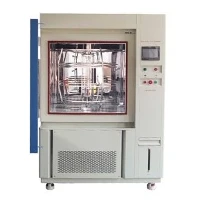
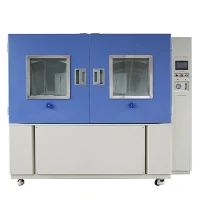
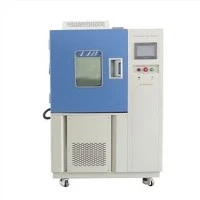
As a professional UV chamber supplier, we offer a wide range of high - quality UV chambers for air purification. Our UV Weather Resistance Test Chamber is designed to simulate the effects of sunlight and weather conditions on materials, while also providing effective air purification. It is suitable for use in laboratories, manufacturing facilities, and other environments where air quality and material testing are important.
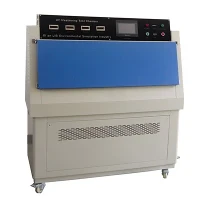
Our UV Accelerated Aging Chamber is ideal for accelerating the aging process of materials and products, while simultaneously purifying the air. It can help to identify potential problems and improve the durability of materials in a shorter period of time.
In addition, our UV Irradiation Chamber is specifically designed for high - intensity UV irradiation, which can effectively remove a wide range of pollutants from the air. It is suitable for use in hospitals, clean rooms, and other environments where strict air quality standards are required.
Contact Us for Procurement
If you are interested in our UV chamber products for air purification or have any questions about the types of pollutants that can be removed by a UV chamber, please do not hesitate to contact us. Our team of experts is ready to provide you with detailed information and professional advice to help you choose the most suitable UV chamber for your specific needs. We look forward to the opportunity to work with you and contribute to a cleaner and healthier environment.


References
- Kowalski, W. J. (2009). Ultraviolet Germicidal Irradiation Handbook: UVGI for Air and Surface Disinfection. Springer.
- National Research Council (U.S.). Committee on Indoor Pollutants. (1981). Indoor Pollutants. National Academies Press.
- World Health Organization. (2018). Guidelines for Indoor Air Quality: Selected Pollutants.