

Can CCT Chambers Be Used for Medical Purposes?
In the realm of scientific and industrial equipment, CCT chambers, or Corrosion Testing Chambers, have long been recognized for their role in assessing the durability and corrosion resistance of various materials. As a supplier of CCT chambers, I've often pondered the question: Can these chambers be used for medical purposes? This blog post aims to explore this intriguing possibility by delving into the nature of CCT chambers, the requirements of medical applications, and the potential intersections between the two.
Understanding CCT Chambers
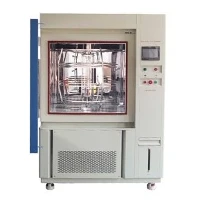
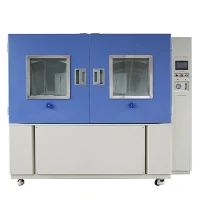
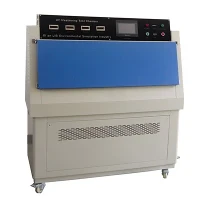
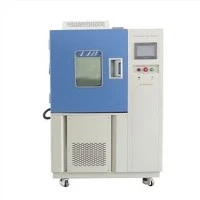
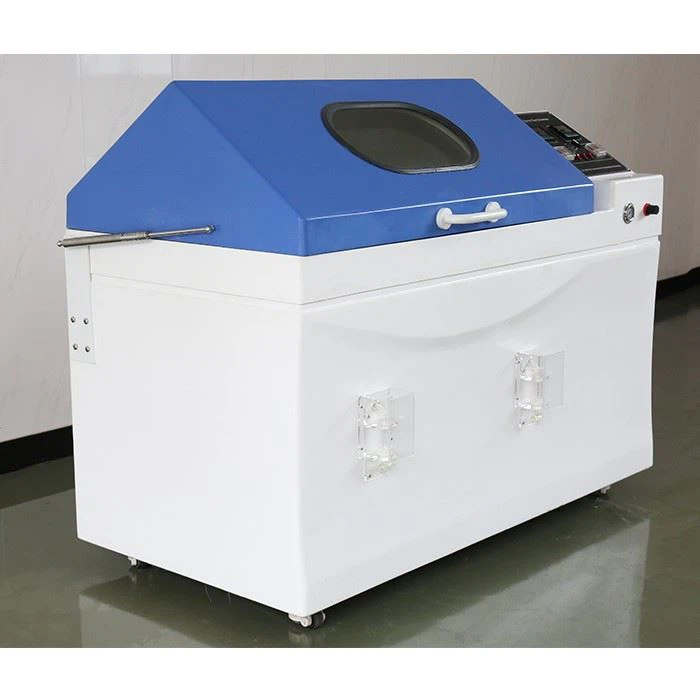
CCT chambers are specialized equipment designed to simulate harsh environmental conditions to evaluate how materials, products, or components respond to corrosion. These chambers can replicate conditions such as salt spray, humidity, and temperature variations. They are widely used in industries like automotive, aerospace, and electronics to ensure the quality and longevity of their products.
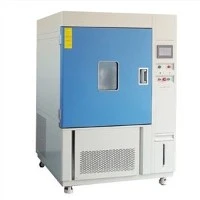
There are different types of CCT chambers available in the market. For instance, the Corrosion Testing Machine is a common type that subjects samples to a controlled salt spray environment. This machine is crucial for industries that need to test the corrosion resistance of metals and alloys. Another type is the Salt Fog Test Machine, which creates a fine mist of saltwater to mimic the corrosive effects of coastal environments. The IEC 60068 - 2 - 11 Salt Mist Chamber is designed to meet international standards for salt mist testing, ensuring that products comply with global quality and safety requirements.
Requirements of Medical Applications
Medical applications have stringent requirements when it comes to equipment and materials. First and foremost, any equipment used in a medical setting must be safe for patients and medical staff. This means that it should not release harmful substances, generate excessive heat, or pose any electrical hazards.
Sterility is another critical factor. Medical equipment needs to be easily sterilized to prevent the spread of infections. It should be able to withstand various sterilization methods such as autoclaving, chemical disinfection, or radiation.
Accuracy and precision are also essential in medical applications. Equipment must provide reliable and consistent results to support accurate diagnoses and effective treatments. Additionally, medical equipment often needs to be user - friendly, with intuitive interfaces and easy - to - understand controls.
Potential Medical Uses of CCT Chambers
Testing Medical Devices
One potential medical use of CCT chambers is in testing medical devices. Many medical devices, such as surgical instruments, implants, and diagnostic equipment, are made of metals and alloys. These materials need to be resistant to corrosion to ensure their long - term performance and safety.
CCT chambers can be used to simulate the physiological environment inside the human body. For example, the body's fluids contain salts and other electrolytes, which can cause corrosion of metal implants over time. By using a CCT chamber to expose implant samples to a solution that mimics body fluids, manufacturers can evaluate the corrosion resistance of these implants and make improvements to their design and materials.
Research on Antimicrobial Materials
In the fight against infections, the development of antimicrobial materials is a crucial area of research. CCT chambers can be used to test the effectiveness of these materials under different environmental conditions. For example, researchers can use a CCT chamber to expose antimicrobial coatings on medical equipment to a salt - rich environment to see if the coatings maintain their antimicrobial properties.
The controlled environment of a CCT chamber allows for accurate and reproducible testing. This is important for validating the claims of antimicrobial material manufacturers and for ensuring that these materials can be safely used in medical settings.
Drug Stability Testing
Drug stability is a critical aspect of pharmaceutical development. Drugs need to maintain their efficacy and safety throughout their shelf - life. Environmental factors such as humidity, temperature, and exposure to salts can affect the stability of drugs.
CCT chambers can be used to simulate different environmental conditions to test the stability of drugs. By subjecting drug samples to a controlled salt - spray or humid environment in a CCT chamber, pharmaceutical companies can determine how the drugs will degrade over time and make appropriate adjustments to their formulation and packaging.
Challenges and Limitations
While there are potential medical uses for CCT chambers, there are also several challenges and limitations that need to be addressed.
Contamination Risks
CCT chambers are typically used to expose samples to corrosive substances. In a medical setting, these substances could pose a contamination risk. For example, if a CCT chamber has been used to test metal samples with a high - salt solution, there could be residues of salt and other chemicals in the chamber. These residues could contaminate medical samples or devices if the chamber is not thoroughly cleaned and sterilized.
Regulatory Compliance
Medical equipment is subject to strict regulatory requirements. Before a CCT chamber can be used for medical purposes, it needs to comply with relevant medical device regulations. This may involve extensive testing and documentation to prove that the chamber meets the safety, sterility, and accuracy requirements of the medical industry.

Adaptation of Chamber Design
The design of traditional CCT chambers may need to be adapted for medical applications. For example, the chamber may need to be made of materials that are more compatible with medical sterilization methods. Additionally, the chamber's controls and monitoring systems may need to be upgraded to meet the higher accuracy and precision requirements of medical testing.
Conclusion
In conclusion, while CCT chambers are primarily known for their use in industrial corrosion testing, they have the potential to be used in medical applications. From testing medical devices to researching antimicrobial materials and drug stability, CCT chambers can play a valuable role in the medical field.
However, there are significant challenges and limitations that need to be overcome, including contamination risks, regulatory compliance, and design adaptations. As a supplier of CCT chambers, I am committed to working with the medical industry to address these challenges and explore the full potential of using CCT chambers for medical purposes.
If you are interested in learning more about how our CCT chambers can be adapted for medical applications or if you have any questions regarding our products, please feel free to reach out to us for a procurement discussion. We are eager to collaborate with you to find the best solutions for your medical testing needs.
References
- ASTM International. (2023). Standard practices for operating salt spray (fog) apparatus. ASTM B117 - 23.
- International Electrotechnical Commission. (2019). Environmental testing - Part 2 - 11: Tests - Test Ka: Salt mist. IEC 60068 - 2 - 11.
- U.S. Food and Drug Administration. (2023). Medical device regulation overview.