


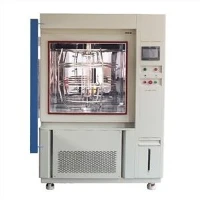
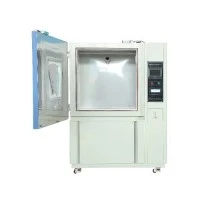
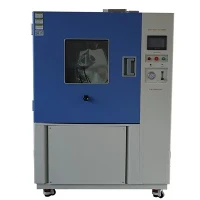
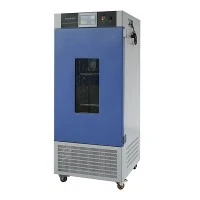
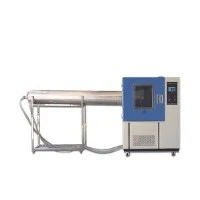
When it comes to small - scale production, selecting the right dry oven is crucial. As a dry oven supplier, I understand the challenges that small - scale producers face in making this important decision. In this blog, I'll share some key factors to consider when choosing a dry oven for your small - scale production needs.
1. Temperature Range and Uniformity
One of the most important aspects of a dry oven is its temperature range. Different production processes require different temperature settings. For example, if you're working with heat - sensitive materials, you'll need an oven that can maintain a relatively low and stable temperature. On the other hand, if you're involved in processes like baking or curing, a higher temperature range might be necessary.
Temperature uniformity is equally important. In small - scale production, even a slight variation in temperature can lead to inconsistent product quality. Look for an oven that offers excellent temperature uniformity across the entire chamber. Most high - quality dry ovens use advanced heating and air circulation systems to achieve this. For instance, some ovens are equipped with forced - air convection systems that ensure even distribution of heat.
2. Size and Capacity
The size and capacity of the dry oven should match your production requirements. In small - scale production, space is often a constraint. You don't want an oven that takes up too much floor space but also need one that can handle your batch sizes. Consider the dimensions of the items you'll be drying or heating and choose an oven with an appropriate interior volume.
It's also important to think about future growth. If you plan to expand your production in the near future, it might be wise to invest in a slightly larger oven than you currently need. This way, you won't have to replace the oven as soon as your production volume increases.
3. Energy Efficiency
Energy costs can be a significant expense in small - scale production. An energy - efficient dry oven can help you save money in the long run. Look for ovens with features like insulation, programmable temperature controls, and efficient heating elements. Well - insulated ovens retain heat better, reducing the amount of energy needed to maintain the desired temperature. Programmable controls allow you to set specific temperature profiles and operating times, ensuring that the oven only uses energy when necessary.
4. Safety Features
Safety is a top priority in any production environment. A good dry oven should be equipped with various safety features. Over - temperature protection is essential to prevent the oven from overheating, which could damage your products or even cause a fire. Some ovens also have door interlocks that prevent the door from being opened when the oven is at a high temperature, protecting operators from burns.
In addition, consider ovens with features like emergency stop buttons and audible alarms. These features can help prevent accidents and ensure the safety of your employees.
5. Ease of Use and Maintenance
For small - scale production, an oven that is easy to use and maintain is a must. Look for ovens with user - friendly control panels. Digital displays and intuitive controls make it easier for operators to set and monitor the temperature and other parameters.

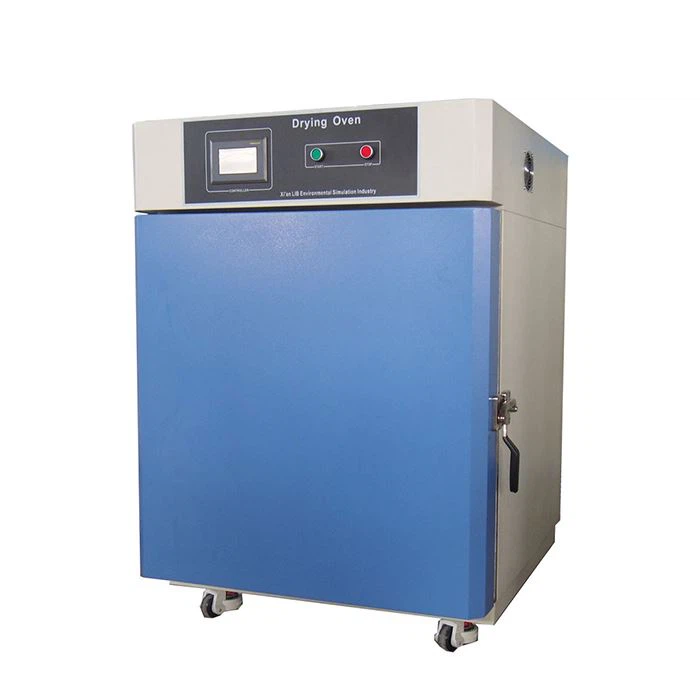
Maintenance is also an important consideration. Ovens with removable shelves and easy - to - clean interiors are more convenient to maintain. Regular cleaning and maintenance can extend the lifespan of the oven and ensure consistent performance.
6. Additional Features and Accessories
Some dry ovens come with additional features and accessories that can enhance their functionality. For example, some ovens have built - in timers, which can be useful for batch processing. Others may have adjustable air vents that allow you to control the airflow inside the chamber.
If you're involved in specific industries, you might need specialized features. For example, if you're working with electronic components, you might need an oven with low - humidity capabilities. Check if the oven can be customized or if there are optional accessories available to meet your specific needs.
Related Products
In addition to dry ovens, we also offer other temperature - and climate - related products. For example, the AGREE Vibration Test Chamber is suitable for testing the performance of products under combined temperature, humidity, and vibration conditions. The Climate Standards Enviromental Oven is designed to meet strict climate standards, which is ideal for applications where precise environmental control is required. And the ESS Chamber is used for environmental stress screening, helping to identify potential defects in products at an early stage.
Conclusion
Choosing the right dry oven for small - scale production involves considering multiple factors such as temperature range, size, energy efficiency, safety, ease of use, and additional features. By carefully evaluating these aspects, you can select an oven that meets your production needs and helps you achieve consistent product quality.
If you're in the process of choosing a dry oven for your small - scale production, I'd be happy to assist you. Our team of experts can provide detailed information about our products and help you make an informed decision. Contact us to start the procurement negotiation and find the perfect dry oven for your business.
References
- "Industrial Oven Handbook" by John Doe
- "Temperature Control in Small - Scale Manufacturing" by Jane Smith
- Various industry reports on dry oven technology and applications