

Hey there! As a supplier of solar testers, I've been in the thick of the solar industry for quite some time. Solar testers are super important tools in the solar panel manufacturing and quality - control process. They help us figure out how well solar panels are performing and if there are any issues. One big thing we look out for are micro - cracks in solar panels. But here's the deal: solar testers aren't perfect, and they do have limitations when it comes to detecting these micro - cracks.
Let's start by understanding what micro - cracks are. Micro - cracks are tiny fractures in the silicon wafers of solar panels. They can be caused by a bunch of things, like mechanical stress during manufacturing, transportation, or even thermal cycling in the field. These cracks might seem small, but they can have a big impact on the performance and lifespan of solar panels. They can reduce the efficiency of the panel by disrupting the flow of electrons and can also lead to long - term degradation as moisture and oxygen can seep in through the cracks.
Now, onto the limitations of solar testers in detecting these micro - cracks.
1. Detection Sensitivity
One of the major limitations is the detection sensitivity. Most solar testers rely on electrical measurements to detect problems in solar panels. They measure things like current, voltage, and power output. While these measurements can give us an overall idea of the panel's performance, they might not be sensitive enough to pick up on very small micro - cracks.
For example, a micro - crack that's only a few micrometers wide might not cause a significant enough change in the electrical parameters to be detected by the tester. The electrical current can still flow around these small cracks, and the panel might continue to produce power almost normally. So, from an electrical measurement perspective, the panel might seem fine, but there could be hidden micro - cracks that could cause problems down the line.
2. Location of Micro - Cracks
The location of micro - cracks also plays a huge role. Solar panels are made up of multiple cells connected in series or parallel. If a micro - crack is located in an area where it doesn't significantly affect the electrical path between the cells, the tester might not be able to detect it.
Let's say a micro - crack is in the middle of a cell and doesn't disrupt the flow of current from one end of the cell to the other. The electrical measurements will show normal values, and the tester won't flag it as an issue. In addition, some areas of the panel, like the edges or the busbars, are more difficult to accurately assess. Cracks in these areas can be hard to detect because the electrical behavior in these regions is more complex, and the tester might not be able to distinguish between normal electrical variations and those caused by micro - cracks.
3. Surface Conditions
The surface conditions of the solar panel can also limit the effectiveness of solar testers. Dirt, dust, or even small scratches on the panel's surface can interfere with the tester's measurements. For instance, a layer of dirt can reduce the amount of sunlight reaching the panel, which in turn affects the power output. The tester might misinterpret this reduction in power as being caused by micro - cracks when it's actually just due to the dirty surface.
Similarly, small scratches can scatter light and change the electrical response of the panel. These surface irregularities can create false positives or mask the presence of actual micro - cracks, making it difficult for the tester to give an accurate assessment.
4. Hidden Micro - Cracks
Some micro - cracks can be hidden beneath the encapsulation material of the solar panel. The encapsulation, usually made of materials like ethylene - vinyl acetate (EVA), is used to protect the solar cells from the environment. However, it also makes it challenging for the tester to directly detect micro - cracks.
Most solar testers can't “see” through the encapsulation material. They rely on external electrical measurements, and if a micro - crack is hidden beneath the EVA layer, it might not have a significant impact on the electrical parameters that the tester can measure. So, these hidden micro - cracks can go undetected, even though they could still pose a risk to the panel's long - term performance.
5. Dynamic Nature of Micro - Cracks
Micro - cracks are not static. They can grow over time due to factors like temperature changes, mechanical stress, and environmental exposure. A solar tester might detect a small micro - crack during an initial test, but as the crack grows, the tester might not be able to accurately monitor its progression.
The tester's algorithms are usually designed to detect specific patterns of electrical changes associated with micro - cracks. But as the crack evolves, the electrical behavior of the panel can change in complex ways that might not fit the pre - defined detection patterns. This means that the tester might not be able to keep up with the changing nature of micro - cracks and provide an up - to - date assessment of the panel's condition.
How We're Trying to Overcome These Limitations
At our company, we're constantly working on improving our solar testers to overcome these limitations. We're exploring new technologies, such as advanced imaging techniques. For example, using infrared imaging can help us detect temperature differences on the panel's surface. Micro - cracks can cause local heating due to increased resistance, and infrared cameras can pick up these temperature variations, even if the crack is small or hidden.


We're also looking into integrating multiple testing methods. Instead of relying solely on electrical measurements, we can combine them with mechanical testing and optical inspection. This multi - approach method can provide a more comprehensive view of the panel's condition and increase the chances of detecting micro - cracks.
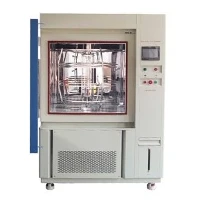
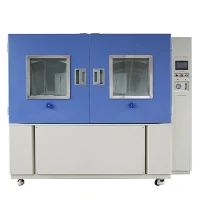
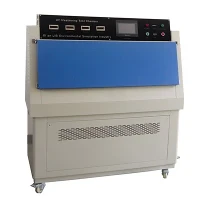
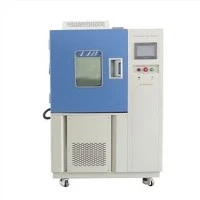
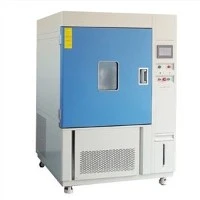
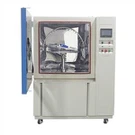
In addition to solar testers, we also offer other related products that can be useful in the solar panel testing and quality - control process. For example, we have the PV Humidity Environmental Chamber, which can simulate different humidity and temperature conditions to test the durability of solar panels. The Accelerated Xenon ARC Lamp Weathering Test Chamber can mimic the effects of long - term sunlight exposure in a short period. And the Aging Weathering Tester is great for assessing the long - term aging effects on solar panels.
Conclusion
So, while solar testers are incredibly useful tools in the solar industry, they do have their limitations when it comes to detecting micro - cracks. Detection sensitivity, the location of cracks, surface conditions, hidden cracks, and the dynamic nature of micro - cracks all pose challenges. But with continuous research and development, we're making progress in improving the performance of our testers.
If you're in the solar panel manufacturing or quality - control business and are looking for reliable solar testers or other testing equipment, we'd love to have a chat with you. We can discuss your specific needs and how our products can help you ensure the quality and performance of your solar panels. Don't hesitate to reach out for a procurement discussion.
References
- “Solar Panel Degradation and Failure Modes” by International Renewable Energy Agency (IRENA)
- “Micro - crack Detection in Photovoltaic Modules: A Review” in the Journal of Renewable and Sustainable Energy Reviews