


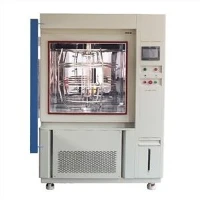
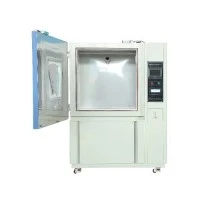
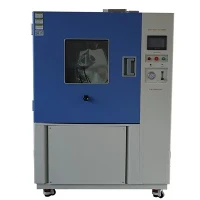
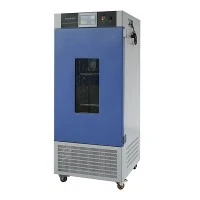
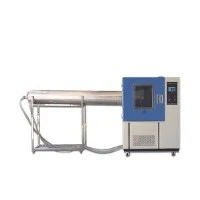
Selecting the right aging oven for specific materials is crucial for ensuring the quality and performance of your products. As an aging oven supplier, I've seen firsthand how the wrong choice can lead to all sorts of headaches, from subpar results to costly downtime. In this blog post, I'll share some tips on how to pick the appropriate aging oven for your specific materials.
Understanding Your Materials
First things first, you need to have a good understanding of the materials you'll be using the aging oven for. Different materials have different requirements when it comes to temperature, humidity, and other environmental factors. For example, some plastics may require a specific temperature range to properly age, while certain metals may need to be aged in a dry environment to prevent corrosion.
Temperature Requirements
One of the most important factors to consider when choosing an aging oven is the temperature requirements of your materials. You'll need to select an oven that can reach and maintain the specific temperature range needed for your materials. Some materials may require a high-temperature oven, while others may need a more moderate temperature.
If you're working with materials that require high temperatures, you might want to check out our High Temperature Industrial Oven. This oven is designed to handle extreme temperatures and can be customized to meet your specific needs.
Humidity Control
In addition to temperature, humidity can also play a significant role in the aging process. Some materials may need to be aged in a humid environment, while others may require a dry one. If humidity control is important for your materials, you'll need to choose an aging oven that can provide the right level of humidity.
Our Humidity And Temperature Controlled Chamber is a great option for materials that require precise humidity control. This chamber allows you to set and maintain the exact humidity level you need, ensuring consistent and reliable results.
Size and Capacity
Another important consideration is the size and capacity of the aging oven. You'll need to choose an oven that can accommodate the size and quantity of your materials. If you're working with large or bulky materials, you'll need a larger oven. On the other hand, if you only need to age a small number of materials at a time, a smaller oven may be sufficient.


It's also a good idea to consider future growth when choosing an aging oven. You don't want to outgrow your oven too quickly, so it's worth investing in a slightly larger oven than you currently need.
Heating and Cooling Systems
The heating and cooling systems of the aging oven are also important factors to consider. You'll want an oven that can heat up and cool down quickly and evenly. This will help ensure that your materials are aged uniformly and that the aging process is completed in a timely manner.
Look for an aging oven with a high-quality heating element and a reliable cooling system. Our ovens are designed with advanced heating and cooling technology to provide fast and efficient temperature control.
Safety Features
Safety is always a top priority when working with any type of equipment, and aging ovens are no exception. You'll want to choose an oven that has a variety of safety features to protect you and your materials.
Some important safety features to look for include over-temperature protection, door interlocks, and emergency stop buttons. Our aging ovens are equipped with all of these safety features and more to ensure a safe and reliable operation.
Ease of Use and Maintenance
Finally, you'll want to choose an aging oven that is easy to use and maintain. Look for an oven with a user-friendly control panel and clear instructions. You'll also want an oven that is easy to clean and maintain to keep it in good working condition.
Our TH-100 Temp RH Chamber is designed with ease of use in mind. It has a simple and intuitive control panel that allows you to set and monitor the temperature and humidity levels with ease.
Conclusion
Selecting the appropriate aging oven for specific materials is a complex process that requires careful consideration of a variety of factors. By understanding the requirements of your materials, considering the temperature, humidity, size, heating and cooling systems, safety features, and ease of use and maintenance, you can choose an aging oven that will meet your needs and help you achieve the best results.
If you're still not sure which aging oven is right for you, don't hesitate to contact us. Our team of experts is here to help you select the perfect oven for your specific materials and application. We can provide you with detailed information, answer your questions, and even arrange a demonstration so you can see our ovens in action.
Let's work together to find the ideal aging oven solution for your business. Whether you're a small startup or a large corporation, we have the expertise and the products to meet your needs. Contact us today to start the conversation and take the first step towards improving your product quality and performance.
References
- Industry standards and guidelines for aging ovens
- Manufacturer's specifications and documentation for aging ovens
- Technical literature and research on material aging processes