

Hey there! As a supplier of IPX3 tests, I often get asked about the acceptance criteria for this particular test. So, I thought I'd take a moment to break it down for you in a way that's easy to understand.


First off, let's talk about what the IPX3 test is all about. The "IP" in IPX3 stands for Ingress Protection, and it's a standard that classifies the degree of protection provided by an enclosure against the intrusion of solid objects and water. The "X" in IPX3 is a placeholder for the level of protection against solids, and the "3" indicates the level of protection against water. Specifically, an IPX3 rating means that the enclosure is protected against water spray up to 60 degrees from the vertical.
Now, let's dive into the acceptance criteria for the IPX3 test. There are a few key factors that we look at when determining whether a product passes or fails the test.
Water Ingress
The most obvious criterion is water ingress. During the IPX3 test, the product is subjected to water spray from a specific angle and at a specific flow rate for a set period of time. After the test is complete, we check to see if any water has entered the enclosure. If there is no visible water inside the enclosure, the product passes this part of the test. However, if there is water inside, we need to determine whether it has caused any damage to the internal components.
Functionality
Another important criterion is functionality. Even if there is a small amount of water ingress, the product may still pass the test as long as it continues to function properly. We test the product's functionality before and after the water spray to make sure that it hasn't been affected. This includes checking things like electrical conductivity, mechanical operation, and any other functions that are critical to the product's performance.
Structural Integrity
In addition to water ingress and functionality, we also look at the structural integrity of the enclosure. The water spray can put a lot of pressure on the enclosure, and we need to make sure that it doesn't cause any damage or deformation. We check for things like cracks, leaks, or any other signs of structural failure. If the enclosure shows any signs of damage, the product fails the test.
Test Equipment
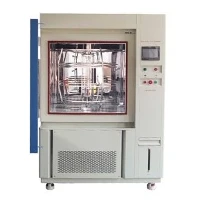
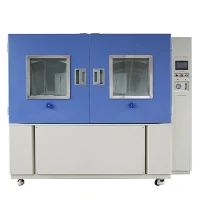
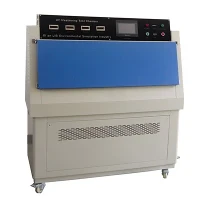
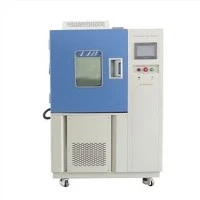
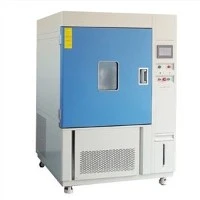
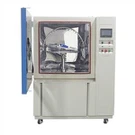
To conduct the IPX3 test, we use specialized equipment that is designed to simulate the water spray conditions. One of the most common types of equipment is the JIS D0203 Rain Spray Chamber. This chamber is designed to meet the requirements of the JIS D0203 standard, which is a Japanese standard for water spray testing. It allows us to control the angle, flow rate, and duration of the water spray, ensuring that the test is conducted accurately and consistently.
Another type of equipment that we use is the GMW 16001 Water Leak Test Chamber. This chamber is designed to meet the requirements of the GMW 16001 standard, which is a General Motors standard for water leak testing. It is used to test the integrity of enclosures and to detect any leaks that may occur during the water spray test.
In some cases, we may also use Water Immersion Test Equipment to conduct additional testing. This equipment is used to simulate the conditions of complete immersion in water, which can be useful for products that are likely to be exposed to high levels of water.
Documentation
Once the IPX3 test is complete, we provide a detailed report that includes the results of the test, as well as any observations or recommendations. This report is an important part of the testing process, as it provides the customer with a clear understanding of the product's performance and any areas that may need improvement.
Why Choose Us?
As a supplier of IPX3 tests, we have the experience and expertise to provide accurate and reliable testing services. We use the latest equipment and techniques to ensure that the tests are conducted to the highest standards. In addition, we offer competitive pricing and fast turnaround times, so you can get your products tested and back on the market as quickly as possible.
If you're interested in having your products tested for IPX3 compliance, or if you have any questions about the acceptance criteria or the testing process, please don't hesitate to contact us. We'd be happy to discuss your needs and provide you with a quote.
In conclusion, the acceptance criteria for the IPX3 test are based on water ingress, functionality, and structural integrity. By ensuring that your products meet these criteria, you can be confident that they will perform well in real-world conditions and provide your customers with the reliability and durability they expect. So, if you're looking for a reliable supplier of IPX3 tests, look no further. Contact us today to get started!
References
- International Electrotechnical Commission (IEC). (2001). Degrees of protection provided by enclosures (IP Code). IEC 60529.
- Japanese Industrial Standards Committee (JISC). (2010). Automobiles - Protection of electrical equipment against water. JIS D0203.
- General Motors. (2014). Water leak test for electrical components. GMW 16001.