


What are the aging test records and reports? Well, as an aging test supplier, I've been in the thick of this for quite a while, and I'm stoked to share some insights with you.
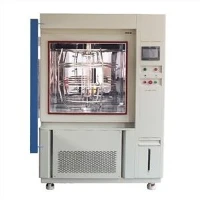
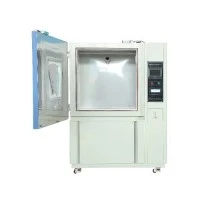
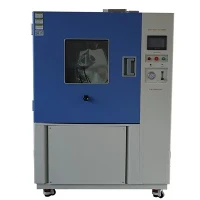
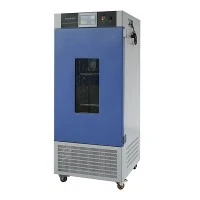
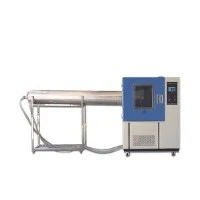
Let's start with what aging tests are all about. Aging tests are designed to simulate the long - term effects of real - world conditions on products in a relatively short period. We use various equipment like the Artificial Humidity Climate Chamber, PV Module Testing Facility, and Aging Oven to create these accelerated conditions.
Now, the aging test records are the raw data that we collect during these tests. They're like the building blocks of the whole process. Every little detail matters here. For example, when we're using an aging oven to test electronic components, we record things like the temperature inside the oven at different time intervals. We note down how long the components have been exposed to the high - temperature environment, and any visible changes in the components, such as discoloration or deformation.
These records are usually kept in a digital format, which makes it super easy to access and analyze. We use specialized software to manage these records. It allows us to sort the data by different parameters, like test duration, temperature settings, or the type of product being tested. This way, we can quickly find the information we need when it comes time to generate reports or troubleshoot any issues.
The aging test reports, on the other hand, are the polished end - products that summarize the test results. They're what our clients really care about. A good aging test report is clear, concise, and easy to understand. It starts with an introduction that briefly explains the purpose of the test. For instance, if a client wants to know how their new battery design will hold up over time, the report will state this goal right at the beginning.
Next, the report includes a detailed description of the test setup. We talk about the equipment we used, like whether we used an artificial humidity climate chamber to simulate a humid environment or an aging oven for high - temperature testing. We also mention the test conditions, such as the temperature range, humidity level, and the duration of the test.
The heart of the report is the results section. Here, we present the data we collected during the test in a graphical or tabular form. For example, we might show a graph that depicts how the performance of a solar panel decreased over time in a PV module testing facility. We also include statistical analysis of the data, like the average performance degradation rate or the standard deviation of the test results.


In addition to the numerical data, we also provide qualitative observations. If we noticed any physical changes in the product, like cracks in a plastic casing or corrosion on a metal surface, we describe these in detail. This gives our clients a complete picture of how their products are performing under the simulated aging conditions.
The conclusion part of the report is where we sum up the key findings. We tell our clients whether the product passed or failed the test based on the pre - defined criteria. If the product failed, we offer some suggestions on how it can be improved. For example, if a battery lost its charge too quickly during the aging test, we might recommend using a different type of electrolyte or improving the battery's insulation.
Another important aspect of the aging test reports is the compliance section. Many industries have specific standards and regulations regarding product aging. Our reports clearly state whether the tested product meets these standards. This is crucial for our clients, especially if they want to sell their products in the market.
Now, you might be wondering why these aging test records and reports are so important. Well, for manufacturers, they're a valuable tool for quality control. By conducting aging tests and analyzing the records and reports, they can identify potential problems with their products early on. This allows them to make necessary improvements before the products are mass - produced, which can save a lot of time and money in the long run.
For investors, aging test reports can provide valuable insights into the reliability of a product. If a company's product shows good performance in aging tests, it's more likely to be a profitable investment.
As an aging test supplier, we take pride in providing accurate and detailed aging test records and reports. Our team of experts is highly trained and experienced in conducting these tests. We use state - of - the - art equipment to ensure the reliability of our results.
If you're in the market for aging test services, we'd love to hear from you. Whether you're a small startup looking to test a new product concept or a large corporation aiming to improve the quality of your existing products, we have the expertise and resources to meet your needs. Contact us today to start a discussion about your aging test requirements.
References
- ASTM International. (2023). Standards for aging tests in various industries.
- ISO. (2023). International standards related to product reliability and aging.