



Hey there! As a supplier specializing in IPX4 tests, I've seen my fair share of common mistakes during these tests. IPX4 is all about testing how well products can resist water splashing from all directions. It's crucial for products like outdoor electronics, automotive parts, and even some consumer goods. Let me walk you through some of the most typical blunders people make in conducting the IPX4 test.
Incorrect Equipment Setup
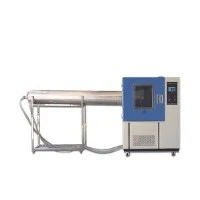
One of the biggest mistakes is setting up the test equipment wrong. The test usually requires a water spray system that can simulate water splashing from different angles. Sometimes, the nozzles are positioned incorrectly, which means the water may not hit the product at the right angles or with the proper intensity.
For example, if the nozzles are too close to the product, the water pressure might be too high, giving false results as it may damage the product in a way that wouldn't happen under normal splashing conditions. On the flip side, if they're too far, the water may not reach the product effectively, making it seem more water - resistant than it actually is.
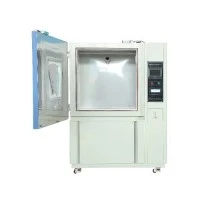
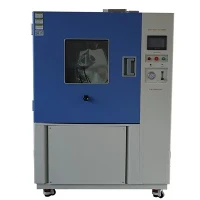
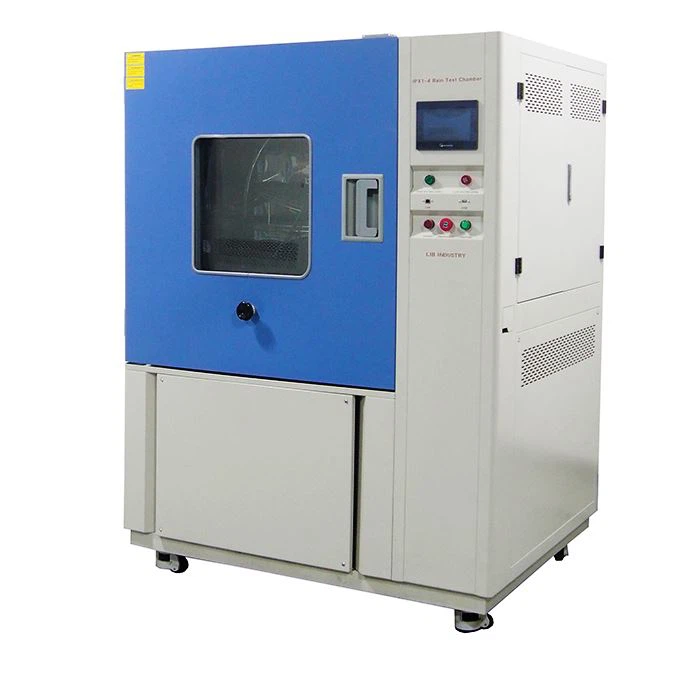
To avoid this, make sure to follow the manufacturer's instructions carefully when setting up the Water Drip Test Chamber. Double - check the nozzle angles and distances. Regularly maintain the equipment to ensure that the water flow and pressure are consistent throughout the test.
Poor Product Preparation
Another common misstep is not preparing the product properly before the test. Before starting the IPX4 test, the product should be in its normal operating condition (if applicable) and clean. For instance, if the product has dirt or debris on its surface, it could block the water from reaching certain areas, causing inaccurate test results.
Also, it's important to seal any openings or ports that are not supposed to be tested in the IPX4 scenario. For example, if a device has a removable battery cover that is not part of the IPX4 - rated area, it should be properly sealed. Otherwise, water may enter through these non - tested areas, giving a false indication of the product's water - resistance performance.
Inconsistent Test Conditions
Maintaining consistent test conditions is key to getting reliable results, but it's often overlooked. The temperature and humidity of the test environment can affect how water behaves and how the product responds to water splashing. If the test is conducted in a cold environment, the water may freeze on the product surface, which is not a real - world IPX4 scenario.
Similarly, high humidity levels can cause water to condense on the product, making it seem wetter than it would be under normal splashing conditions. To ensure consistency, try to conduct the test in a controlled environment with stable temperature and humidity levels. Document the test conditions accurately so that the results can be compared and validated later.
Improper Test Duration
The duration of the IPX4 test is specified in the relevant standards, but many people either cut it short or extend it unnecessarily. Cutting the test short means that the product may not be exposed to enough water splashing to accurately determine its water - resistance. On the other hand, extending the test can cause excessive water exposure, which may damage the product in a way that wouldn't happen in normal use.
Stick to the standard test duration. It's there for a reason – to provide a fair and consistent assessment of the product's ability to withstand water splashing. If you're unsure about the correct duration, refer to the official IPX4 testing standards or consult with a professional.
Lack of Post - Test Inspection
After the test is over, a proper post - test inspection is often neglected. Just because the product looks okay on the outside doesn't mean it's not damaged internally by water ingress. Water can seep into small crevices and cause corrosion or short - circuits over time.
Inspect the product thoroughly after the test. Check for any signs of water inside, such as moisture on circuit boards or condensation in enclosures. If possible, test the product's functionality again to make sure it still works as expected. This step is crucial for accurately determining the product's water - resistance and ensuring its long - term reliability.
Using the Wrong Testing Equipment
Sometimes, people use equipment that is not specifically designed for IPX4 testing. For example, using an Ul Test Equipment that has different water spray patterns or pressure settings than what's required for IPX4. This can lead to inaccurate results and unreliable product evaluations.
Always use equipment that is certified for IPX4 testing. It's designed to meet the specific requirements of the test, ensuring that the results are valid and comparable to industry standards. If you're considering purchasing new equipment, do your research and choose a reputable supplier.
Neglecting Operator Training
The skills and knowledge of the operator conducting the test can have a huge impact on the results. If the operator is not properly trained, they may make mistakes in equipment setup, test execution, or result interpretation. For example, an untrained operator may misread the pressure gauge on the water spray system, leading to inconsistent water pressure during the test.
Make sure that all operators involved in IPX4 testing are trained thoroughly. Provide them with hands - on training on equipment operation, test procedures, and safety guidelines. Regularly update their knowledge as standards and technologies change.

Not Following International Standards
IPX4 testing is governed by international standards, such as IEC 60529. Failing to follow these standards can lead to non - compliant test results. These standards define everything from the test equipment specifications to the test procedures and acceptance criteria.
Always refer to the relevant international standards when conducting IPX4 tests. Use them as a guide for every aspect of the test, from product preparation to post - test inspection. This ensures that your test results are valid and recognized in the international market.
Overlooking Product Variations
Products can have variations in their design and manufacturing processes. A small change in the material or assembly method can affect the product's water - resistance. For example, if a product uses a different type of sealant in one batch, it may perform differently in the IPX4 test.
When testing products, take into account these variations. Test multiple samples from different batches to get a more comprehensive understanding of the product's water - resistance. This helps to identify any potential issues and ensure that all products meet the required standards.
Not Keeping Accurate Records
Accurate record - keeping is essential in IPX4 testing. Without proper records, it's difficult to track the test history of a product, compare results over time, or prove compliance to regulatory bodies. Records should include details such as test date, test conditions, equipment used, and test results.
Use a reliable record - keeping system to document all aspects of the IPX4 test. This can be a simple spreadsheet or a more advanced laboratory management software. Make sure the records are stored securely and are easily accessible for future reference.
In conclusion, conducting an accurate IPX4 test requires attention to detail, proper equipment setup, and compliance with international standards. By avoiding these common mistakes, you can ensure that your products are accurately evaluated for their water - resistance and meet the necessary requirements.
If you're in the market for IPX4 testing services or equipment, feel free to reach out to discuss your needs. We're here to help you get the most accurate and reliable test results for your products. Our team of experts can guide you through the entire process, from choosing the right equipment to interpreting the test results.
References
- International Electrotechnical Commission (IEC). IEC 60529: Degrees of protection provided by enclosures (IP Code).
- Industry best practices and guidelines for waterproof testing of electronic products.