




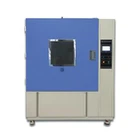

Hey there! As a supplier of dry ovens, I've seen firsthand the importance of safety when using these powerful machines. Dry ovens are super useful for all sorts of applications, from industrial processes to scientific research. But like any piece of equipment, they come with their own set of risks. So, let's talk about what safety precautions you should take when using a dry oven.
1. Read the Manual Thoroughly
First things first, don't skip the manual! I know it might seem like a boring read, but it's packed with essential information about your specific dry oven model. The manual will tell you things like the maximum temperature the oven can reach, the proper way to load and unload it, and any specific maintenance requirements. Make sure you understand all the instructions before you start using the oven. It's like getting a roadmap for safe operation.
2. Install the Oven Properly
Proper installation is crucial for the safe use of a dry oven. Place the oven on a stable, level surface away from flammable materials, water sources, and direct sunlight. Ensure that there's enough space around the oven for proper ventilation. Overheating can occur if the oven doesn't have enough air circulation, which can lead to damage or even a fire. Also, make sure the electrical connections are correct and the power supply meets the oven's requirements.
3. Wear Appropriate Safety Gear
When working with a dry oven, it's important to protect yourself. Wear heat-resistant gloves to prevent burns when handling hot items inside the oven. Safety goggles can also protect your eyes from any flying debris or hot air. If you're working in an industrial setting, consider wearing a lab coat or other protective clothing to shield your body from potential hazards.
4. Check the Oven Regularly
Before each use, give your dry oven a quick once-over. Check for any signs of damage, such as cracks in the door, loose wires, or malfunctioning controls. If you notice anything suspicious, don't use the oven until it's been inspected and repaired by a qualified technician. Regular maintenance, like cleaning the oven interior and checking the heating elements, can also help prevent problems down the line.
5. Use the Oven for Its Intended Purpose
Dry ovens are designed for specific applications, so make sure you're using yours correctly. Don't use it to heat or dry materials that aren't compatible with the oven's temperature range or that could release toxic fumes. For example, don't put plastics or other volatile substances in a high-temperature oven. Using the oven for the wrong purpose can not only damage the oven but also pose a serious safety risk.
6. Monitor the Temperature
Keep a close eye on the oven temperature during operation. Use a reliable thermometer to verify that the temperature is within the desired range. If the temperature starts to fluctuate or goes above the recommended limit, turn off the oven immediately and investigate the cause. Overheating can lead to fires, damage to the oven, and spoilage of the materials inside.
7. Don't Overload the Oven
It might be tempting to cram as much as possible into the oven, but overloading can cause uneven heating and increase the risk of overheating. Make sure there's enough space between the items inside the oven for proper air circulation. Follow the manufacturer's guidelines for the maximum load capacity of your oven.
8. Keep the Oven Door Closed
During operation, keep the oven door closed as much as possible. Opening the door can cause a sudden drop in temperature, which can affect the quality of your results and increase the risk of burns from the hot air. If you need to check on the contents of the oven, use the viewing window or a remote monitoring system if available.
9. Have a Fire Extinguisher on Hand
Just in case, always have a fire extinguisher nearby when using a dry oven. Make sure you know how to use it properly and that it's in good working condition. In the event of a fire, act quickly and follow the appropriate safety procedures.
10. Train Your Staff
If you're using a dry oven in a workplace, make sure all employees are properly trained on its safe use. Provide regular safety training sessions and remind them of the importance of following the safety precautions. Encourage them to report any safety concerns or malfunctions immediately.
Now, I also want to mention some related products that might be of interest to you. If you're looking for other temperature and climate testing equipment, we have some great options. Check out our UL 1703 Humidity Test Chamber, Reach In Environmental Conditions Control Chamber, and Thermal Cycling Ovens. These products are designed to meet the highest standards of quality and safety.

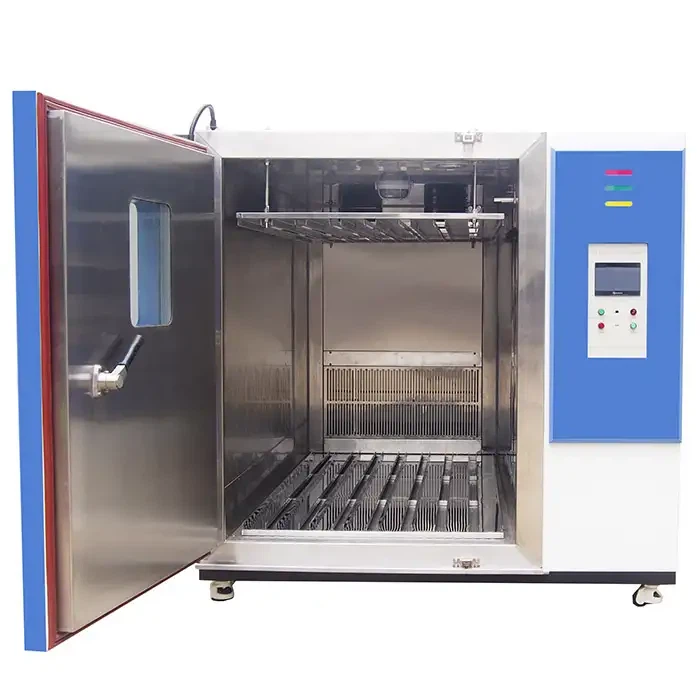
If you're interested in purchasing a dry oven or any of our other products, we'd love to have a chat with you. Whether you have questions about the features, specifications, or safety aspects, our team is here to help. Just reach out to us, and we can start a discussion about your specific needs and how our products can meet them.
In conclusion, using a dry oven safely is all about being prepared, following the rules, and taking the necessary precautions. By doing so, you can ensure the longevity of your oven, the quality of your results, and the safety of yourself and those around you. So, stay safe and happy baking (or whatever you're using your dry oven for)!
References
- Manufacturer's manuals for dry ovens
- Occupational Safety and Health Administration (OSHA) guidelines for industrial equipment safety
- General safety best practices for temperature and climate testing equipment