


Hey there! As a supplier specializing in IPX4 testing services, I often get asked about what the IPX4 test procedure for smart home devices actually is. In this blog, I'm gonna break it down for you in a way that's easy to understand.
First off, let's talk about why IPX4 testing is so important for smart home devices. Smart home devices are becoming more and more popular these days. They're everywhere in our houses, from smart thermostats on the walls to smart speakers on the tables. But since they're often used in different environments, they need to be able to withstand some exposure to water. That's where the IPX4 rating comes in.
The IP (Ingress Protection) code is a standard that classifies the degree of protection provided by enclosures of electrical equipment against the intrusion of solid objects and water. The first digit in the IP code refers to protection against solids, and the second digit is about protection against water. For IPX4, the 'X' means there's no specific protection rating for solids, and the '4' indicates protection against splashing water from any direction.
Pre - test Preparations
Before we start the actual IPX4 test, there are a few things we need to do. First, we have to make sure the smart home device is in proper working condition. We'll give it a quick check to see if all its functions are working as they should. This includes things like turning it on, checking its connectivity, and making sure all the sensors and controls are responsive.
Next, we'll clean the device. Any dirt or debris on the surface could potentially affect the test results. We use a soft, dry cloth to gently wipe the device clean.
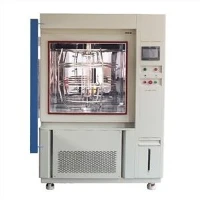
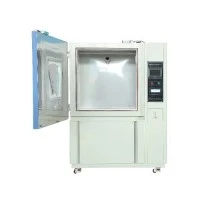
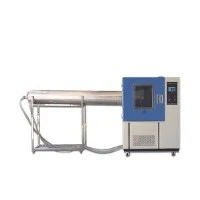
We also need to set up the testing equipment. For IPX4 testing, we use a IPX3 IPX4 IPX5 IPX6 Test Machine. This machine is designed to simulate splashing water from all directions. It has a series of nozzles that can spray water at a specific pressure and angle. We need to calibrate the machine according to the standards set by the relevant testing organizations. This involves adjusting the water flow rate, the pressure, and the angle of the nozzles.
The IPX4 Test Procedure
Once everything is set up, we can start the test. The smart home device is placed in the testing area of the machine. It's important to position the device correctly so that all parts of it can be exposed to the splashing water.
The test starts with the machine spraying water at the device. The water is sprayed from all directions at an angle of up to 180 degrees from the vertical. The water flow rate is usually around 10 liters per minute per square meter of the device's surface area. This is done for a specified period of time, typically 10 minutes.
During the test, we closely monitor the device. We're looking for any signs of water ingress. This could include water dripping into the device, water pooling inside the enclosure, or any changes in the device's performance. If the device is connected to a power source, we also check for any electrical malfunctions, such as short - circuits or loss of functionality.
After the 10 - minute spraying period is over, we turn off the water and let the device sit for a while to dry. Then we do another inspection. We check if the device still works properly. We turn it on again, test all its functions, and make sure there are no signs of damage caused by the water exposure.


Post - test Evaluation
Once the device has dried and been re - inspected, we evaluate the test results. If the device has passed the IPX4 test, it means that it has withstood the splashing water from any direction without any significant water ingress or loss of functionality. We'll issue a test report stating that the device has met the IPX4 requirements.
If the device fails the test, it means that there was water ingress that affected its performance. In this case, we'll analyze the reasons for the failure. It could be due to a design flaw, such as a poor seal around the enclosure, or a manufacturing defect, like a crack in the housing. We'll then work with the manufacturer to come up with solutions to improve the device's water resistance.
Other Related Tests and Equipment
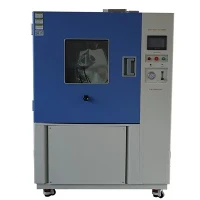
While IPX4 is a common requirement for many smart home devices, there are other IP ratings as well. For example, if a device needs to be protected against more severe water exposure, such as water jets, it might need to pass an IPX5 or IPX6 test. For these tests, we use IPX5 X6 Test Equipment.
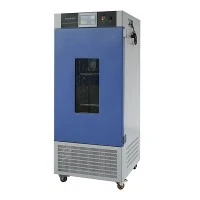
Another type of test is the rain test. This is useful for devices that are installed outdoors or in areas where they might be exposed to natural rain. We use a Rain Test Chamber for this test. The chamber can simulate different rain conditions, such as light rain, heavy rain, and wind - driven rain.
Why Choose Our IPX4 Testing Services
As a supplier of IPX4 testing services, we have a lot of experience in this field. Our testing equipment is state - of - the - art and regularly calibrated to ensure accurate results. We have a team of highly trained technicians who know the ins and outs of the IPX4 test procedure.
We also offer a quick turnaround time. We understand that time is money for our clients, so we strive to complete the testing as quickly as possible without compromising on the quality of the test.
In addition, we provide comprehensive support. Whether you're a small - scale manufacturer or a large - scale enterprise, we can work with you to meet your specific testing needs. We can also offer advice on how to improve your product's water resistance based on our test results.
Conclusion
So, that's the IPX4 test procedure for smart home devices in a nutshell. It's an important test that ensures the reliability and durability of these devices in real - world conditions. If you're a manufacturer of smart home devices and you need IPX4 testing services, don't hesitate to get in touch with us. We're here to help you make sure your products meet the highest standards of water resistance.
References
- International Electrotechnical Commission (IEC) standards for IP ratings
- Industry best practices for testing smart home devices