

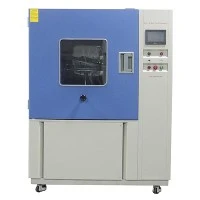

Hey there! As a drying oven supplier, I often get asked about how these nifty machines work. So, let's dive right in and explore the working principle of a drying oven.
The Basics of a Drying Oven
First things first, a drying oven is a device used to remove moisture from a variety of materials. It's like a super - efficient dryer on steroids! Whether it's in a laboratory, industrial setting, or even for some food processing, drying ovens play a crucial role.


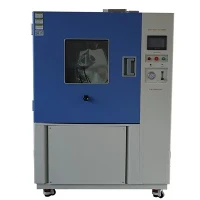
The main components of a typical drying oven include an insulated chamber, a heating element, a ventilation system, and a temperature control system. These components work together in harmony to achieve the desired drying effect.
How the Heating Element Works
The heating element is the heart of the drying oven. It's responsible for generating the heat needed to evaporate the moisture from the materials inside. Most drying ovens use either electric resistance heating elements or gas - fired burners.
Electric resistance heating elements are very common. They work based on the principle of Joule heating. When an electric current passes through a resistive material, like a coil of nichrome wire, the resistance of the wire causes the electrical energy to be converted into heat energy. This heat is then radiated into the oven chamber, raising its temperature.
On the other hand, gas - fired burners burn fuel (usually natural gas or propane) to produce heat. The combustion process releases a large amount of thermal energy, which is transferred to the air in the oven chamber. Gas - fired ovens are often used in industrial applications where large amounts of heat are required, and continuous operation is needed.
The Importance of Ventilation
Ventilation is another key aspect of a drying oven's operation. As the materials inside the oven heat up, the moisture in them turns into water vapor. If this water vapor is not removed, it can build up inside the oven, increasing the humidity and potentially slowing down the drying process.
That's where the ventilation system comes in. It typically consists of fans and vents. The fans circulate the air inside the oven, ensuring that the heat is evenly distributed. At the same time, the vents allow the moist air to escape and fresh air to enter. This continuous exchange of air helps to maintain a low - humidity environment inside the oven, promoting faster and more efficient drying.
Some high - end drying ovens even have advanced ventilation systems that can control the volume and direction of the airflow. This allows for more precise drying, especially for delicate materials that require a specific drying environment.
Temperature Control
Accurate temperature control is essential for a drying oven. Different materials require different drying temperatures. For example, some heat - sensitive materials may need to be dried at a relatively low temperature, while others can withstand higher temperatures.
The temperature control system in a drying oven usually consists of a thermostat and a controller. The thermostat measures the temperature inside the oven and sends a signal to the controller. The controller then adjusts the power supplied to the heating element to maintain the desired temperature.
Modern drying ovens often come with digital temperature controllers that allow for very precise temperature settings. You can set the desired temperature within a few degrees, and the oven will work hard to keep it stable throughout the drying process.
Specific Types of Drying Ovens and Their Working Principles
Temperature Cycling Oven
A Temperature Cycling Oven is a specialized type of drying oven. It can cycle through different temperatures at set intervals. In industries like electronics manufacturing, this is extremely useful for testing the durability of components under changing temperature conditions.
The working principle of a temperature cycling oven is similar to a regular drying oven, but with an added programming feature. The temperature controller is programmed to increase or decrease the temperature at specific times. The heating and ventilation systems work together to quickly adjust the temperature inside the oven to the set values.
Portable Heating Chamber
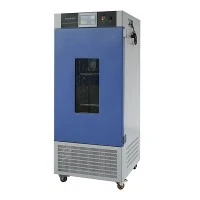
The Portable Heating Chamber is a more flexible option. It's designed to be easily moved around and used in different locations. The basic working principle is the same as other drying ovens, but it's often more compact and lightweight.
The heating element in a portable heating chamber heats up the small - sized chamber. The ventilation system helps to distribute the heat evenly and remove moisture. Since it's portable, it's great for on - site drying jobs or in small workshops where space is limited.
Dry Aging Machine
A Dry Aging Machine is mainly used in the food industry, especially for dry - aging meat. It has a very specific working principle.
The machine maintains a low temperature and a specific humidity level. The temperature is usually set between 34 - 38°F (1 - 3°C), and the humidity is around 75 - 85%. The heating element is used to keep the temperature stable, and the ventilation system helps to control the humidity. This environment allows the meat to lose moisture slowly, concentrate its flavors, and develop a tender texture.
Why Choose Our Drying Ovens
Our drying ovens are designed with the latest technology and high - quality materials. We understand the importance of efficient and reliable drying, whether it's for laboratory research or large - scale industrial production.
Our ovens are equipped with advanced temperature control systems that ensure precise temperature regulation. The ventilation systems are designed to maximize airflow and moisture removal, resulting in faster and more uniform drying.
We also offer a wide range of models, including the Temperature Cycling Oven, Portable Heating Chamber, and Dry Aging Machine, to meet different needs. Whether you need to dry small samples in a laboratory or large batches of products in an industrial setting, we've got you covered.
Let's Talk Business
If you're interested in purchasing a drying oven for your business, we'd love to have a chat with you. We can provide you with detailed information about our products, offer customized solutions based on your specific requirements, and give you a competitive price quote.
Whether you're a small business owner looking for a cost - effective portable option or a large corporation in need of high - capacity industrial ovens, we're here to help. Just reach out and let's start a conversation about how our drying ovens can benefit your operations.
References
- Smith, J. (2020). Industrial Ovens: Design and Operation. Industrial Press.
- Brown, A. (2019). Laboratory Equipment Handbook. CRC Press.