

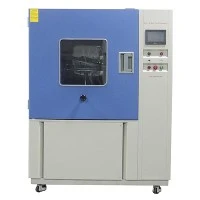

When it comes to ensuring the reliability and durability of electronic devices in various environments, the IPX5 Tester plays a crucial role. As a leading supplier of IPX5 Testers, we understand the significance of accurately interpreting the test data generated by this equipment. In this blog post, we will delve into the details of how to view and analyze the test data of the IPX5 Tester, providing you with valuable insights to make informed decisions about your products' protection levels.
Understanding the IP Rating System
Before we dive into the test data analysis, let's briefly review the IP rating system. The IP (Ingress Protection) rating is an international standard that classifies the degree of protection provided by an enclosure against the intrusion of solid objects (such as dust) and water. The IP rating consists of two digits, with the first digit representing the protection against solids and the second digit indicating the protection against water.
In the case of the IPX5 rating, the "X" in the first digit indicates that there is no defined level of protection against solids, while the "5" in the second digit means that the equipment is protected against water jets from any direction. This rating is commonly used for outdoor or industrial applications where the device may be exposed to water splashes or jets.
Components of the IPX5 Test
The IPX5 test involves subjecting the device under test (DUT) to water jets from a specified nozzle at a defined flow rate and pressure. The test is conducted in a controlled environment to ensure consistent results. The main components of the IPX5 test include:


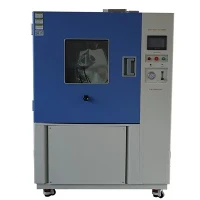
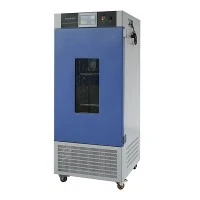
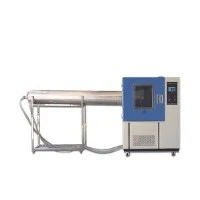
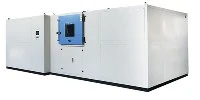
- Test Chamber: The test chamber provides a sealed environment where the test can be conducted. It is designed to prevent water from leaking out and to ensure accurate measurement of the test parameters. IP Rating Test Chamber
- Nozzle: The nozzle used in the IPX5 test is specifically designed to produce a uniform water jet with a defined diameter and flow rate. The nozzle is typically positioned at a specific distance from the DUT to ensure consistent coverage.
- Water Supply System: The water supply system provides the necessary water pressure and flow rate for the test. It is important to maintain a stable water supply to ensure accurate test results.
- Measurement Equipment: Various measurement equipment, such as flow meters and pressure gauges, are used to monitor and record the test parameters. These measurements are crucial for analyzing the test data and determining the compliance of the DUT.
Interpreting the Test Data
Once the IPX5 test is completed, the test data needs to be carefully analyzed to determine the performance of the DUT. The following are the key aspects to consider when interpreting the test data:
- Visual Inspection: Conduct a visual inspection of the DUT to check for any signs of water ingress. Look for water stains, moisture, or any other visible damage on the surface or inside the device. If there are any signs of water ingress, it indicates that the device may not meet the IPX5 rating requirements.
- Functional Testing: Perform functional testing on the DUT to ensure that it is still functioning properly after the test. Check all the functions and features of the device to make sure they are working as expected. Any malfunction or performance degradation may indicate that the device has been affected by water ingress.
- Water Ingress Measurement: Measure the amount of water that has entered the DUT during the test. This can be done by weighing the device before and after the test or by using other measurement techniques. The amount of water ingress should be within the acceptable limits specified by the IPX5 rating.
- Test Parameter Analysis: Analyze the test parameters, such as water flow rate, pressure, and test duration, to ensure that they were within the specified range during the test. Any deviation from the specified parameters may affect the test results and should be taken into account when interpreting the data.
Using the Test Data for Product Improvement
The test data obtained from the IPX5 Tester can provide valuable insights into the performance of your products and help you identify areas for improvement. Here are some ways you can use the test data to enhance your products:
- Design Optimization: Analyze the test data to identify any weaknesses or areas of vulnerability in the product design. Use this information to make design changes and improvements to enhance the water resistance of the device.
- Material Selection: Evaluate the performance of different materials used in the product construction based on the test data. Consider using materials that have better water resistance properties to improve the overall protection level of the device.
- Manufacturing Process Improvement: Review the manufacturing process to ensure that it is producing consistent results and that the products are meeting the IPX5 rating requirements. Identify any potential sources of variation or defects in the manufacturing process and take corrective actions to improve the quality of the products.
- Quality Control: Use the test data as a basis for quality control and inspection. Set up a regular testing schedule to monitor the performance of your products and ensure that they are consistently meeting the IPX5 rating requirements.
Choosing the Right IPX5 Tester
Selecting the right IPX5 Tester is crucial for obtaining accurate and reliable test results. As a supplier of IPX5 Testers, we recommend considering the following factors when choosing a tester:
- Accuracy and Precision: Look for a tester that offers high accuracy and precision in measuring the test parameters. This will ensure that the test results are reliable and consistent.
- Compliance with Standards: Make sure the tester complies with the relevant international standards, such as IEC 60529. This will ensure that the test results are recognized and accepted worldwide.
- Ease of Use and Maintenance: Choose a tester that is easy to operate and maintain. This will save you time and effort in conducting the tests and will minimize the downtime of the equipment.
- Customization Options: Consider a tester that offers customization options to meet your specific testing requirements. This will allow you to tailor the test setup and parameters to suit your products and applications.
Conclusion
In conclusion, understanding how to view and analyze the test data of the IPX5 Tester is essential for ensuring the quality and reliability of your products. By carefully interpreting the test data, you can identify any issues or areas for improvement and take appropriate actions to enhance the water resistance of your devices. As a leading supplier of IP65 Test Equipment and IPX5 IPX6 Water Jetting Test Chamber, we are committed to providing you with high-quality testing solutions and technical support to help you achieve the best results.
If you have any questions or would like to learn more about our IPX5 Testers or other testing equipment, please contact us to start a procurement discussion. We look forward to working with you to ensure the success of your products.
References
- IEC 60529 - Degrees of protection provided by enclosures (IP Code)
- ISO 20653 - Road vehicles -- Degrees of protection (IP Code) of electrical equipment against foreign objects, water and access