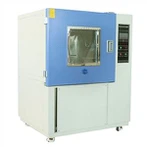
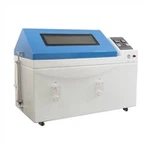
In modern engineering, products are no longer tested under static conditions. From automotive electronics to aerospace sensors,

components must survive constant temperature swings-hot to cold, again and again-without failure. That's where thermal cycling chambers come in: they simulate real-world stress in a controlled lab environment, helping engineers predict performance before products ever reach the field.
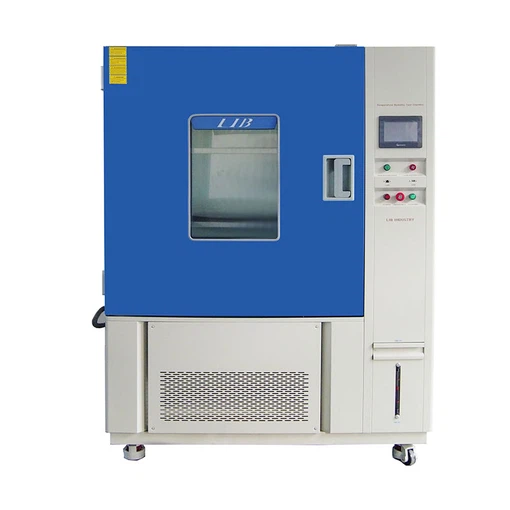
Recently, a Canadian laboratory shared positive feedback after using the LIB thermal cycling chamber. The engineer Keyhan confirmed that the euipment has been running smoothly since installation, stating that overall performance is "good so far." He also mentioned that their technical team will continue monitoring long-term stability, reflecting confidence in the system's reliability and consistency in daily testing operations.
This article explains how a thermal cycling chamber works, covering its principles, standards, real-world applications, and how LIB solutions help you achieve accurate, repeatable results across demanding industrial environments.
How a Thermal Cycling Chamber Works
1. Where Thermal Cycling Tests Are Required 
Thermal cycling tests are widely used in industries where materials expand and contract under temperature changes. Typical fields include:
Automotive: ECUs, sensors, connectors
Electronics: PCBs, semiconductors, batteries
Aerospace: avionics systems, composite materials
Medical devices: diagnostic equipment stability
These tests are governed by strict international standards to ensure consistency and reliability:
IEC 60068-2-14: Temperature change test (thermal cycling)
MIL-STD-810: Environmental engineering considerations
JEDEC JESD22-A104: Semiconductor thermal cycling
ISO 16750-4: Road vehicles-environmental conditions
For example, IEC 60068-2-14 defines cycles such as:
| Test Parameter | Specification |
|---|
| High Temperature | +85 °C |
| Low Temperature | –40 °C |
| Transition Time | ≤ 5 minutes |
| Dwell Time | 30 minutes at each temperature extreme |
| Cycle Count | 5 to 1000 cycles (depending on application) |
These standards ensure that test results reflect real-world stress conditions.
2. Temperature Accuracy and Cycling Performance
A thermal cycling chamber works by rapidly switching between high and low temperatures while maintaining tight control. The key performance indicators include:
| Performance Parameter | Specification |
|---|---|
| Temperature Range | –70 °C to +150 °C |
| Heating Rate | Up to 3–5 °C/min |
| Cooling Rate | 1–3 °C/min |
| Temperature Stability | ±0.5 °C |
| Temperature Uniformity | ±1.5 °C |
High-precision sensors such as PT100 Class A measure temperature changes with fine resolution. Combined with advanced controllers, the chamber ensures each cycle is repeatable.
This precision matters because even a 2 °C deviation can significantly affect material fatigue results, especially in electronics and solder joints.
3. How Temperature & Humidity Are Controlled
Thermal cycling chambers rely on coordinated systems to maintain accuracy:
Heating system: electric heaters provide rapid temperature rise
Cooling system: compressors and refrigerants enable fast cooling
Air circulation: centrifugal fans distribute air evenly
Control system: PID (Proportional–Integral–Derivative) algorithms adjust output in real time
The PID controller continuously compares the actual temperature to the setpoint and corrects deviations within milliseconds.
In chambers with humidity control, additional systems include:
Steam or water-based humidification
Condensation and dehumidification modules
Humidity accuracy typically reaches ±2.5% RH, ensuring reliable combined temperature-humidity cycling when required by standards.
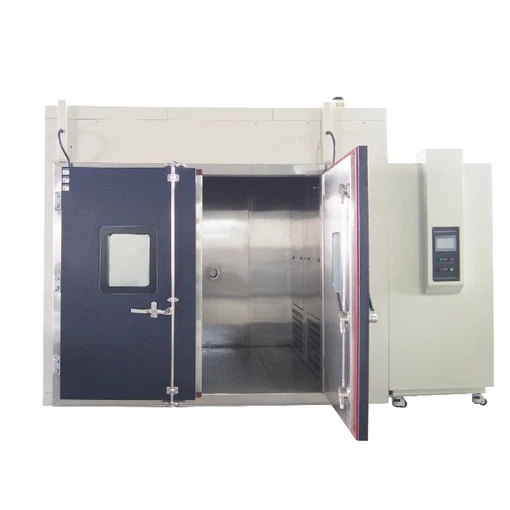
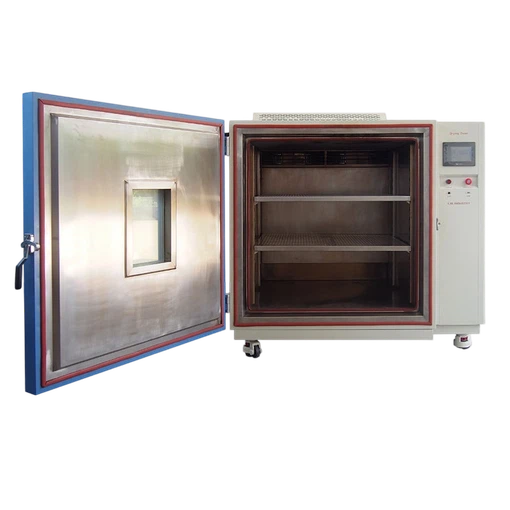


Automotive Testing with LIB Thermal Cycling Chamber
1. Example: Testing Automotive Components under IEC 60068
Automotive electronics must withstand extreme environments. Using IEC 60068-2-14, a typical test cycle includes:
Step 1: Heat to +85 °C, hold for 30 minutes
Step 2: Transition to –40 °C within 5 minutes
Step 3: Hold at –40 °C for 30 minutes
Step 4: Repeat for 100–500 cycles
This simulates real conditions such as engine start in winter or heat exposure in summer.
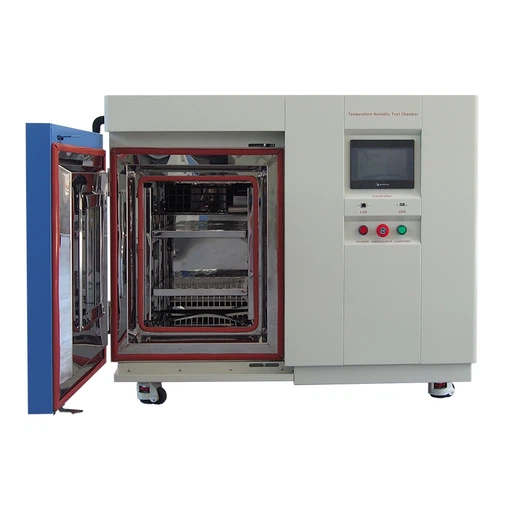
Using a LIB benchtop environmental chamber, engineers can perform these cycles efficiently in limited lab space while maintaining high precision. The compact design supports:
a. Small automotive components like sensors and connectors
b. Rapid cycling with consistent repeatability
c. Easy integration into R&D workflows
2. Why Choose LIB Thermal Cycling Chambers
|
|
Name | Temperature Humidity Chamber for Composites | ||||
|
Model |
TH-100 |
|||||
|
Internal dimension (mm) |
400*500*500 |
|||||
|
Overall dimension (mm) |
860*1050*1620 |
|||||
|
Capacity |
100L |
|||||
|
Temperature range |
-20℃ ~+150 ℃ |
|||||
|
Low type |
A: -40℃ B:-70℃ C -86℃ |
|||||
|
Humidity Range |
20%-98%RH |
|||||
|
Temperature deviation |
± 2.0 ℃ |
|||||
|
Heating rate |
3 ℃ / min |
|||||
|
Cooling rate |
1 ℃ / min |
|||||
|
Controller |
Programmable color LCD touch screen controller, Multi-language interface, Ethernet , USB |
|||||
|
Refrigerant |
R404A, R23 |
|||||
|
Exterior material |
Steel Plate with protective coating |
|||||
|
Interior material |
SUS304 stainless steel |
|||||
|
Standard configuration |
1 Cable hole (Φ 50) with plug; 2 shelves |
|||||
|
Timing Function |
0.1~999.9 (S,M,H) settable |
|||||

|
|
|
|
|
|
| Robust Workroom | Cable Hole | Temperature and Humidity Sensor | PID controller |


1. High Accuracy Control
±0.5 °C stability and ±1.5 °C uniformity ensure compliance with IEC and ISO standards.
2. Fast Cycling Efficiency
Heating at 3 °C/min and cooling at 1 °C/min reduces total test time by up to 30%.
3. Flexible Customization
Adjustable racks, cable ports, and chamber size options fit different automotive components.
4. Easy Operation
Touchscreen interface and programmable profiles (up to 120 programs, 100 steps each) simplify complex testing.
FAQs on the LIB Thermal Cycling Chamber
Q1: Can the chamber be customized for my application?
Yes. LIB offers full customization including chamber size, temperature range, rack design, cable ports (size, shape, quantity), and even special fixtures for unique test samples.
Q2: What kind of support and service does LIB provide?
LIB provides complete lifecycle support, including installation guidance, operation training, and long-term technical assistance. We offer a 3-year warranty and lifetime service support. In case of any issue, our engineers respond within 24 hours with a clear solution to minimize downtime. Spare parts and remote troubleshooting are always available.
Q3: How fast is delivery and what about shipping?
Standard models are typically shipped within 7–15 days after order confirmation. The chamber is delivered fully assembled with secure protective packaging to ensure safe transport.
Q4: How is the chamber installed?
Installation is simple and plug-and-play. The chamber comes with castors for easy movement and requires only standard power and water connections. Most users can complete installation and start testing within 2 hours, without the need for external technicians.
A thermal cycling chamber works by precisely controlling temperature transitions to simulate real-world environmental stress. With compliance to standards like IEC 60068, accurate sensors, and advanced control systems, it ensures reliable and repeatable results.
LIB thermal cycling chambers combine precision, efficiency, and flexibility, making them an ideal solution for automotive, electronics, and industrial testing.
If you are looking for a reliable thermal cycling solution for your lab or production testing, contact LIB Industry today for technical consultation, customization options, and a fast quotation within 24 hours.