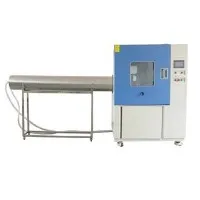
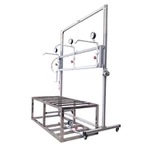
Extreme temperature changes can damage products in seconds-solder joints crack, materials deform, and seals fail. In industries like automotive, aerospace, and electronics, components may shift from −40 °C to +120 °C almost instantly. Without proper validation, these rapid transitions lead to costly failures and safety risks.
This article explains what a thermal shock testing chamber is used for, covering its applications, working principle, battery safety testing, and key FAQs to help you choose the right solution.
Thermal Shock Testing Chamber Applications
1. Industries and Standards It Supports
Thermal shock testing chambers are widely used in automotive, aerospace, electronics, semiconductor, and defense industries. These sectors must comply with strict international standards, including:
① IEC 60068-2-14 (Environmental testing – temperature shock)
② MIL-STD-810 Method 503 (Military thermal shock testing)
③ JESD22-A104 / A106 (Semiconductor reliability testing)
④ LV124 (Automotive electronic component validation)
These standards define how products should withstand rapid temperature changes without mechanical failure, electrical malfunction, or material degradation.
2. Typical Test Ranges in Different Applications
Different industries require different thermal shock conditions, but most applications fall within clear numerical ranges:
① Electronics & PCB testing: −55 °C to +125 °C, 30–300 cycles
② Automotive components: −40 °C to +150 °C, up to 1,000 cycles
③ Aerospace materials: −65 °C to +200 °C, high-altitude simulation
④ Battery systems: −40 °C to +85 °C or higher, combined safety testing
Modern chambers, like LIB systems, support −75 °C to +220 °C, with transfer times ≤3 seconds and recovery within ≤5 minutes, ensuring accurate and repeatable results.
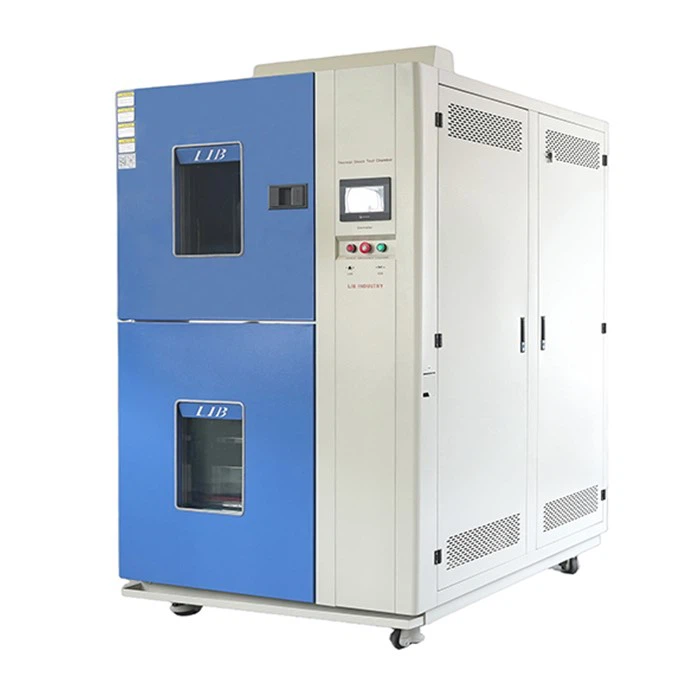
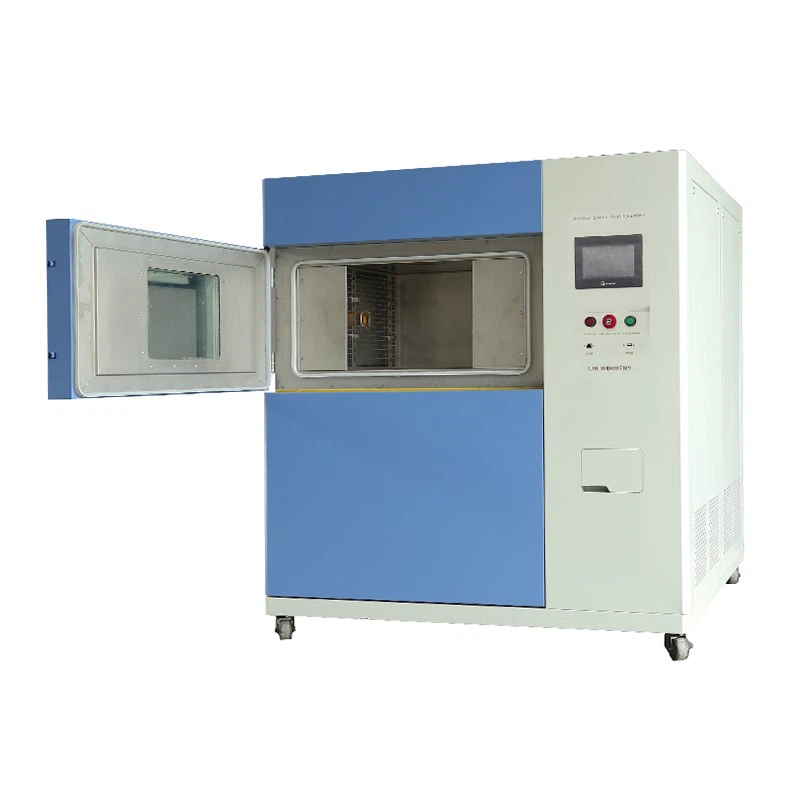
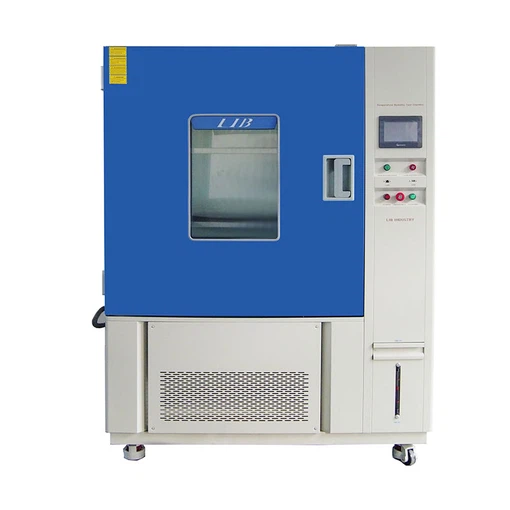
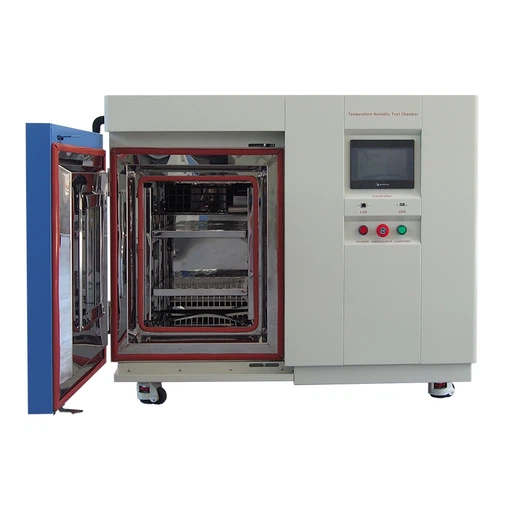
3. Types of Thermal Shock Chambers
Thermal shock chambers are classified based on heat transfer method:
|
|
|
 |
| Air-to-Air Thermal Shock Chamber | Air-to-Liquid Thermal Shock Chamber | Liquid-to-Liquid Thermal Shock Chamber |
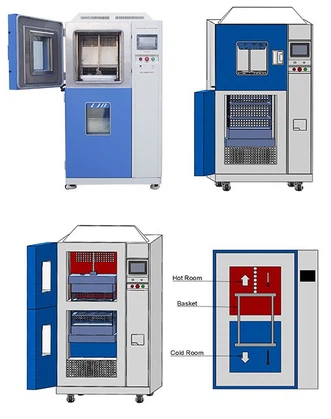
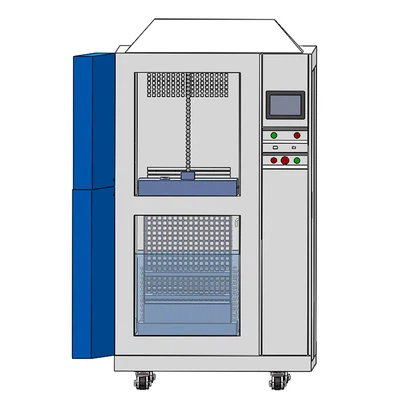
① Air-to-Air Thermal Shock Chamber
Two-zone or three-zone design
Most common type
Suitable for IEC 60068-2-14 and JESD22 testing
② Air-to-Liquid Thermal Shock Chamber
Faster heat exchange than air
Used for advanced material stress testing
③ Liquid-to-Liquid Thermal Shock Chamber
Fastest transfer (≤1 second)
Used in military and semiconductor high-reliability testing
Additionally, air-to-air chambers include:
2-zone system: sample moves between hot and cold zones
3-zone system: includes an independent test zone for stricter standards


How LIB Air-to-Air Thermal Shock Chamber Works
LIB air-to-air thermal shock chambers use a two-zone or three-zone structure with independent temperature control.
① Hot chamber: up to +220 °C
② Cold chamber: down to −75 °C
③ Transfer system: basket moves samples within ≤3 seconds
|
The working process is simple and efficient: ① The hot and cold chambers are pre-heated/cooled to set temperatures. ② The test sample is placed in a basket system. ③ The basket automatically transfers between zones. ④ The chamber recovers to target temperature within ≤5 minutes. |
With temperature fluctuation ≤±0.5 °C and deviation ≤±2 °C, LIB chambers ensure stable and repeatable testing, meeting international standards.
Battery Explosion-Proof Thermal Shock Testing (Based on IEC 60068-2-14)
1. Standard and Test Cycle
Battery safety testing often follows IEC 60068-2-14 Na test method. A typical cycle includes:
| High Temperature | +85 °C to +125 °C, dwell 30 minutes |
| Low Temperature | −40 °C, dwell 30 minutes |
| Transfer Time | ≤3 minutes (standard), ≤3 seconds (LIB) |
| Total Cycles | 50–100 cycles |
The purpose is to evaluate battery safety, sealing performance, and explosion resistance under extreme thermal stress.
2. LIB Controlled Environment Chamber for Battery Testing
LIB models are widely used for battery thermal shock testing:
|
|
|
|||||||||
|
Model |
TSI-038 |
|||||||||
|
Basket Useful Dimensions (mm) |
2400*1200*1300 D*W*H |
|||||||||
|
Salt Water Tank Dimensions (mm) |
3000*2000*1600 D*W*H |
|||||||||
|
Overall Dimension (mm) |
3600*2800*3800 D*W*H |
|||||||||
|
Loading Capacity |
200 kg |
|||||||||
|
Parameters |
Pre-heat Room |
Upper limit Temperature |
+220℃ |
|||||||
|
Heating Time |
Ambient ~ + 180℃, within 30 minutes |
|||||||||
|
Splash Water |
Splash Water Temperature |
0 to +4 ℃ (Adjustable) |
||||||||
|
Cycle Duration |
30 minutes |
|||||||||
|
Splash Nozzle |
Water Flow Rate |
3 to 4 liters per splash nozzle |
||||||||
| Number |
4 pieces |
|||||||||
|
Distance between nozzle and DUT |
300 to 350 mm |
|||||||||
|
Splashing Time |
3 seconds |
|||||||||
|
Number of cycles |
100 |
|||||||||
| Controller | Programmable color LCD touch screen controller | |||||||||
| Cooling system | Mechanical compression refrigeration system | |||||||||
| Exterior material | A3 Steel Plate with protective coating | |||||||||
| Viewing window | Interior lighting , double-layer thermo stability silicone rubber sealing | |||||||||


|
|
|
|
Test Basket Test area can slide between the cold and hot Chambers to complete the test of samples in extremely cold and extremely hot environments |
The Controller Programmable color controller, more convenient operation,Now with Mobile App,USB and RS-232,RS-485 |
|
|
|
|
Cable Hole The test hole is located above the basket, allowing the cable to pass through and energize the sample |
Castor 4 casters with brake, easy to move, adjustable height, good fixity |


Explosion-proof options and safety protections (over-temperature, pressure protection) ensure safe battery testing.
3. Key Advantages of LIB Thermal Shock Chambers
1. Ultra-Fast Transfer
Basket transfer in ≤3 seconds ensures real thermal shock, not slow cycling.
2. High Precision Control
Temperature fluctuation ≤±0.5 °C guarantees accurate and repeatable results.
3. Reliable Safety Design
Multiple protections (over-temperature, pressure, leakage) ensure safe battery testing.
4. Flexible Programming
Touchscreen controller supports multi-step cycles, remote monitoring, and data export via USB/Ethernet.
FAQs on LIB Thermal Shock Testing Chamber
Q1: What is the transfer time of LIB thermal shock chambers?
Typically ≤3 seconds, meeting IEC and MIL standards for rapid temperature change.
Q2: How long is the temperature recovery time?
Less than 5 minutes after each cycle, ensuring continuous testing efficiency.
Q3: What maintenance is required?
Regular checks include cleaning condensers, inspecting sensors, and replacing seals every 1–2 years to maintain performance.
Q4: Does LIB provide installation and training?
Yes. LIB offers remote guidance, operation training, and 24/7 English-speaking technical support.
Q5: How long is delivery and shipping?
Standard delivery time is 7–15 days, with global shipping and secure packaging.
Q6: What warranty and service are included?
LIB provides a 3-year warranty and lifetime service, with free replacement for unresolved issues during the warranty period.
Thermal shock testing is essential for ensuring product durability, safety, and compliance with global standards. With fast transfer, precise control, and robust design, LIB thermal shock chambers help you simulate the most demanding environments with confidence.
Contact LIB Industry today to get your customized thermal shock testing solution.