

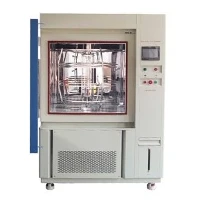
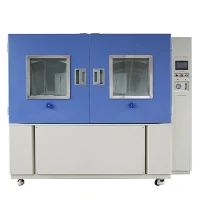
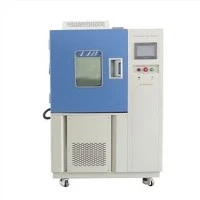
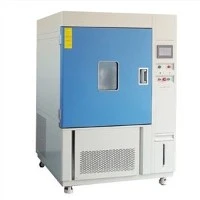
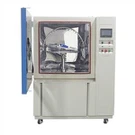
Hey there! As a supplier of rain chambers, I often get asked if these nifty devices can be used for testing agricultural products. Well, let's dive right in and explore this topic.
First off, what exactly is a rain chamber? It's a specialized piece of equipment designed to simulate different rainfall conditions. You can control factors like the intensity of the rain, the duration of the shower, and even the droplet size. This level of control makes it a valuable tool in various industries, but can it be a game - changer for agriculture?
The Need for Testing Agricultural Products
Agricultural products are exposed to all sorts of weather conditions in the real world. Rain is one of the most significant factors that can affect their growth, quality, and shelf - life. For farmers and agricultural producers, understanding how their products will hold up under different rainfall scenarios is crucial.
For example, excessive rain can lead to waterlogging, which might cause root rot in plants. On the other hand, insufficient rain can result in drought stress, affecting the yield and quality of crops. By using a rain chamber, we can mimic these conditions in a controlled environment and study how agricultural products respond.
How Rain Chambers Can Be Used for Agricultural Testing
Crop Growth and Development
We can use rain chambers to study the growth and development of crops at different stages. For instance, we can simulate light, intermittent rain during the germination phase to see how it affects the sprouting rate. If we're growing vegetables like lettuce or spinach, we can test how they respond to heavy downpours during their vegetative stage. This information can help farmers adjust their irrigation schedules and predict the growth patterns of their crops more accurately.
Disease Resistance
Rain can also play a role in the spread of plant diseases. Some fungi and bacteria thrive in wet conditions. By creating a rainy environment in a rain chamber, we can expose crops to these pathogens and observe how well they resist infection. This can be especially useful for breeding programs aimed at developing disease - resistant varieties of crops.
Post - harvest Quality
After the crops are harvested, rain can still have an impact on their quality. For example, if fruits are exposed to rain after being picked, it can lead to mold growth and spoilage. A rain chamber can be used to test the post - harvest handling and storage conditions of agricultural products. We can simulate different levels of rain exposure and measure factors like the rate of decay, color change, and nutritional content over time.
Advantages of Using Rain Chambers for Agricultural Testing
Precision and Control
One of the biggest advantages of using a rain chamber is the precision and control it offers. In the real world, weather conditions are unpredictable. But in a rain chamber, we can set the exact parameters we want. We can repeat the same test conditions multiple times, which allows for more accurate and reliable results.
Cost - effectiveness
Testing agricultural products in a rain chamber can be more cost - effective than conducting large - scale field trials. Field trials require a lot of land, labor, and resources. With a rain chamber, we can conduct multiple tests in a relatively small space and with less time and effort.
Safety
In some cases, exposing crops to extreme weather conditions in the field can be risky. For example, a severe storm can damage the entire crop. In a rain chamber, we can simulate these extreme conditions without putting the actual crops at risk.
Limitations and Considerations
Of course, rain chambers aren't without their limitations. They can't fully replicate all the complex factors of the natural environment. For example, they can't simulate the effects of wind, sunlight, and soil variability that occur in the field. Also, the size of the rain chamber might limit the number of samples we can test at once.
However, these limitations don't mean that rain chambers aren't useful. They can still provide valuable insights when used in conjunction with field trials and other testing methods.
Other Related Testing Chambers
If you're interested in other types of environmental testing for agricultural products, we also offer related chambers. For example, the Ingress Protection Test Chamber can be used to test the resistance of agricultural equipment to water and dust ingress. The Sand Dust IP68 Test Chamber is great for simulating dusty environments, which can be relevant for crops grown in arid regions. And the IPX8 Water Immersion Test Chamber can be used to test the water - resistance of certain agricultural products.
Conclusion
In conclusion, rain chambers can definitely be used for testing agricultural products. They offer a controlled and cost - effective way to study the effects of rain on crop growth, disease resistance, and post - harvest quality. While they have some limitations, they can provide valuable information that can help improve agricultural practices and increase the yield and quality of crops.
If you're in the agricultural industry and are interested in using our rain chambers for your testing needs, we'd love to have a chat. Whether you're a farmer, a researcher, or an agricultural product manufacturer, our rain chambers can be customized to meet your specific requirements. Get in touch with us to start a conversation about how we can help you with your agricultural testing challenges.


References
- Smith, J. (2020). "The Role of Environmental Testing in Agriculture." Journal of Agricultural Research.
- Johnson, A. (2019). "Simulating Weather Conditions for Crop Testing." Agricultural Science Review.