

Selecting the appropriate IPX3 test method for a product is a crucial decision that can significantly impact the product's quality, performance, and marketability. As an IPX3 test provider, I understand the challenges and complexities involved in this process. In this blog post, I will share some insights and guidelines to help you choose the right IPX3 test method for your product.
Understanding IPX3 Testing
Before delving into the selection process, it's essential to understand what IPX3 testing entails. IPX3 is a part of the Ingress Protection (IP) rating system, which classifies the level of protection provided by an enclosure against the intrusion of solid objects and water. Specifically, IPX3 tests for protection against spraying water. The test involves subjecting the product to water sprayed at an angle of 60 degrees from the vertical in both directions for a specified duration.
Factors to Consider When Choosing an IPX3 Test Method
Product Characteristics
The first step in choosing the right IPX3 test method is to consider the characteristics of your product. This includes its size, shape, material, and intended use. For example, a small, handheld device may require a different test method than a large, stationary piece of equipment. Similarly, a product made of porous materials may need a more rigorous test to ensure adequate water protection.
Industry Standards and Regulations
Different industries may have specific standards and regulations regarding IPX3 testing. It's important to familiarize yourself with these requirements to ensure that your product meets the necessary criteria. For instance, the automotive industry may have stricter guidelines for water protection in vehicles, while consumer electronics may have their own set of standards.
Test Objectives
Clearly defining your test objectives is crucial. Are you testing for basic water resistance or for a more comprehensive evaluation of the product's performance in wet conditions? Understanding your objectives will help you determine the appropriate test method and the level of detail required in the testing process.
Available Resources
Your available resources, including time, budget, and equipment, will also influence your choice of test method. Some test methods may require specialized equipment or facilities, which can be costly and time-consuming to set up. On the other hand, simpler test methods may be more accessible but may not provide as detailed or accurate results.
Common IPX3 Test Methods
Using an IPX1 To IPX6 Test Chamber
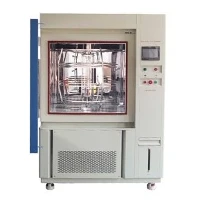
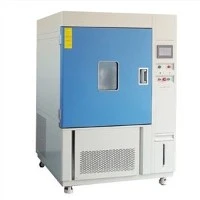
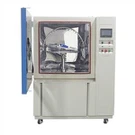
An IPX1 to IPX6 test chamber is a versatile and reliable option for IPX3 testing. These chambers are designed to simulate different levels of water spray, including the conditions specified in the IPX3 standard. They offer precise control over the test parameters, such as water flow rate, spray angle, and test duration, ensuring consistent and accurate results. Additionally, test chambers can be used for multiple products, making them a cost-effective solution for high-volume testing.
Water Proof Test Machine
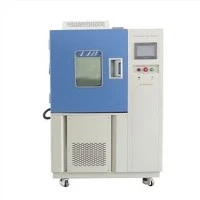
A water proof test machine is another popular choice for IPX3 testing. These machines are specifically designed to test the water resistance of products and can be customized to meet the specific requirements of your product. They typically use a spray nozzle to apply water to the product at the required angle and flow rate. Water proof test machines are relatively easy to operate and can provide quick results, making them suitable for both small-scale and large-scale testing.
Wind Rain Chamber
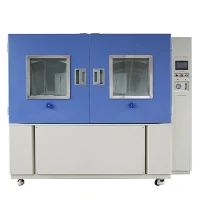
A wind rain chamber is a more advanced option for IPX3 testing. This type of chamber simulates the effects of wind and rain, providing a more realistic testing environment. It can be particularly useful for testing products that are exposed to outdoor conditions, such as outdoor lighting fixtures or automotive components. Wind rain chambers can accurately replicate the conditions of a real-world storm, allowing you to evaluate the product's performance under extreme weather conditions.
Making the Right Choice
Once you have considered the factors mentioned above and are familiar with the common test methods, you can make an informed decision about the right IPX3 test method for your product. Here are some additional tips to help you choose:
Consult with Experts
If you're unsure about which test method is best for your product, don't hesitate to consult with experts in the field. As an IPX3 test provider, I have extensive experience in testing a wide range of products and can offer valuable insights and recommendations based on your specific needs.
Conduct a Pilot Test
Before committing to a full-scale test, it's a good idea to conduct a pilot test using the selected method. This will allow you to evaluate the effectiveness of the test method and make any necessary adjustments before proceeding with the final testing.
Evaluate the Results
After the testing is complete, carefully evaluate the results to determine if the product meets the required IPX3 standard. If the product fails the test, work with your test provider to identify the root cause of the problem and develop a plan to address it.


Conclusion
Choosing the right IPX3 test method for your product is a critical step in ensuring its quality and performance. By considering the product characteristics, industry standards, test objectives, and available resources, you can select the most appropriate test method for your needs. Whether you choose to use an IPX1 to IPX6 test chamber, a water proof test machine, or a wind rain chamber, working with a reputable test provider is essential to obtaining accurate and reliable results.
If you're interested in learning more about IPX3 testing or would like to discuss your specific testing requirements, please feel free to reach out. Our team of experts is here to assist you in choosing the right test method and ensuring that your product meets the highest standards of water protection.
References
- International Electrotechnical Commission (IEC) standards for Ingress Protection (IP) ratings.
- Industry-specific standards and regulations related to water protection in different sectors.