

Hey there! As a supplier of IPX4 tests, I often get asked about the water pressure in the IPX4 test. So, let's dive right into it and break down what this water pressure is all about.
First off, the IPX4 test is part of the Ingress Protection (IP) code system. This system is used to classify the degrees of protection provided by enclosures of electrical equipment against the intrusion of solid objects (like dust) and water. The "IP" stands for Ingress Protection, and the two digits following it have specific meanings. The first digit represents protection against solids, while the second digit is about protection against water. In the case of IPX4, the "4" indicates protection against splashing water from any direction.
Now, when it comes to the water pressure in the IPX4 test, it's not as straightforward as you might think. There isn't a single, fixed water pressure value that's applicable across the board. The test is more about simulating real - world conditions where water splashes onto the equipment from various angles.
The test setup for IPX4 typically involves using a spray nozzle to direct water at the test specimen. The water is sprayed at a certain flow rate and from different directions to mimic splashing water. According to the relevant standards, the water is usually sprayed at a flow rate of around 10 ± 0.5 liters per minute. But what about the pressure? Well, the pressure is adjusted to ensure that this flow rate is maintained.
The pressure required to achieve this flow rate depends on several factors, such as the diameter of the spray nozzle and the length and diameter of the water supply pipes. A smaller nozzle diameter will generally require a higher pressure to achieve the same flow rate compared to a larger nozzle.
In most cases, the water pressure in an IPX4 test is in the range of 80 - 100 kPa (kilopascals). This pressure range is sufficient to create a spray pattern that can effectively simulate splashing water from different directions. At this pressure, the water droplets are dispersed in a way that they can reach all the exposed surfaces of the test specimen.


Let me give you a bit of background on why we use this pressure range. When we're testing electrical equipment, we want to make sure that it can withstand the kind of water splashes it might encounter in normal use. For example, if it's a consumer electronic device like a smartphone or a smartwatch, it could be splashed with water when it's being used outdoors in a light rain or when someone accidentally spills a drink on it. The 80 - 100 kPa pressure range is designed to replicate these real - life scenarios.
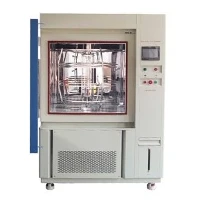
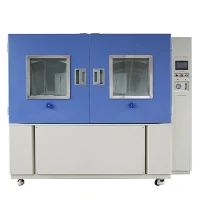
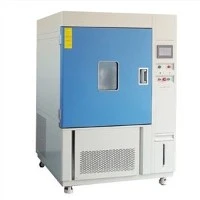
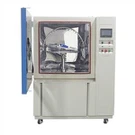
Now, as a supplier of IPX4 tests, we have some great equipment to carry out these tests accurately. For instance, our Rain Spray Chamber is specifically designed for IPX4 and other water - related tests. It allows us to control the water flow rate and the spray direction precisely, ensuring that the test conditions are consistent every time.
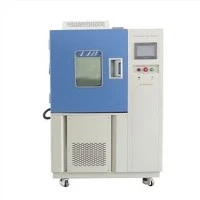
We also have the IPX1 IPX2 Drip Waterproof Testing Machine and the Water Drip Test Chamber. These are useful for other levels of water protection tests within the IP code system. The IPX1 and IPX2 tests are about protection against dripping water, and these machines can create the right dripping conditions to test the equipment effectively.
When we conduct an IPX4 test, we first prepare the test specimen. We make sure it's in a proper working condition and that all the necessary connections are made. Then, we place it inside the test chamber or in the path of the spray nozzle. We set the water flow rate and pressure according to the standards, and then start the test. The test usually runs for a specific period, typically around 10 minutes, to ensure that the equipment is exposed to enough splashing water.
After the test, we carefully examine the test specimen. We check for any signs of water ingress, such as moisture inside the enclosure, damage to the electrical components, or any malfunction in the equipment's operation. If there are no signs of water ingress and the equipment still functions properly, then it passes the IPX4 test.
It's important to note that the IPX4 test is just one part of ensuring the overall water resistance of electrical equipment. There are other tests in the IP code system, like IPX1 - IPX3 for different levels of water protection, and IPX5 - IPX8 for more severe water exposure scenarios.
If you're in the market for IPX4 testing services or if you want to purchase the equipment for conducting these tests yourself, we're here to help. Our team has years of experience in this field, and we can provide you with accurate and reliable test results. We understand that different industries have different requirements when it comes to water protection, and we can customize the test setup to meet your specific needs.
Whether you're a manufacturer of consumer electronics, automotive components, or industrial equipment, ensuring the water resistance of your products is crucial. A failed IPX4 test could mean that your product is not suitable for real - world use, which can lead to customer dissatisfaction and potential financial losses.
So, if you're interested in learning more about IPX4 testing or if you want to discuss your testing requirements, don't hesitate to get in touch. We're always happy to have a chat and see how we can assist you in ensuring the quality and reliability of your products.
References
- International Electrotechnical Commission (IEC) standards related to Ingress Protection (IP) codes
- Industry - specific guidelines for water resistance testing of electrical equipment