

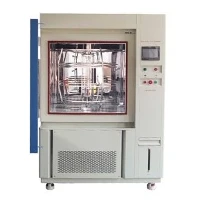
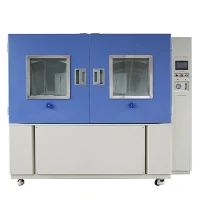
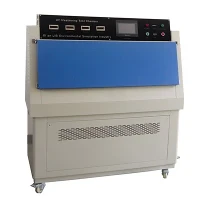
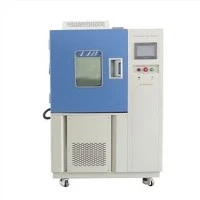
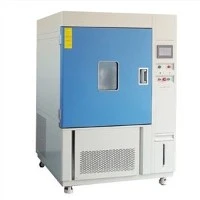
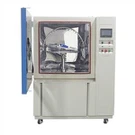
As a supplier of Xenon testers, safety is of utmost importance when it comes to using our products. Xenon testers are widely used in various industries to simulate the effects of natural sunlight, including UV radiation, heat, and humidity, on materials and products. These machines are crucial for quality control and research and development purposes, ensuring that materials can withstand the harsh conditions of outdoor exposure. However, due to the nature of the high - intensity light and other environmental factors they generate, proper safety measures must be followed. In this blog, I will share some key points on how to ensure safety when using a Xenon tester.
1. Pre - operation Safety Checks
Before starting the Xenon tester, a series of pre - operation safety checks should be carried out. First and foremost, inspect the physical condition of the machine. Check for any visible signs of damage, such as cracks in the chamber, loose wires, or damaged components. A damaged machine can pose significant risks, including electrical hazards and potential leaks of harmful substances. If any damage is detected, do not operate the machine and contact our technical support team immediately for assistance.
Next, verify the installation of the machine. Make sure it is placed on a stable and level surface. An unstable placement can cause the machine to tip over during operation, which can lead to serious damage to the equipment and potentially harm operators. Additionally, ensure proper ventilation around the machine. Xenon testers generate heat during operation, and adequate ventilation is essential to prevent overheating and the accumulation of hot air, which may trigger a fire or affect the performance of the machine.
It is also necessary to check the power supply. The machine should be connected to a reliable power source with the appropriate voltage and frequency. Incorrect power supply can damage the internal components of the Xenon tester and may even lead to electrical shock. Use the power cord and plugs that are specifically recommended for the machine, and ensure they are in good condition without any exposed wires or damaged insulation.


2. Operator Training
Proper training for operators is essential for safe use of the Xenon tester. Operators should be thoroughly trained on the machine's operation procedures, safety features, and emergency response protocols. Our company provides comprehensive training programs for our customers, which cover everything from basic machine setup to advanced troubleshooting.
During the training, operators will learn how to load and unload test specimens correctly, operate the control panel safely, and monitor the machine's performance during the test. They should understand the different settings available on the Xenon tester, such as light intensity, temperature, and humidity control, and how to adjust them according to the requirements of the test.
Moreover, operators need to be familiar with the safety features of the Xenon tester. These features may include emergency stop buttons, door interlocks, and over - temperature protection systems. Knowing how to use these safety features effectively can prevent accidents and minimize the impact of potential hazards. For example, in case of an emergency, operators should know exactly where the emergency stop button is located and how to press it immediately to stop the machine.
3. Safety Equipment and Personal Protective Equipment (PPE)
When operating a Xenon tester, it is necessary to use appropriate safety equipment and personal protective equipment (PPE). Safety equipment installed on the machine itself, such as ventilation systems and door interlocks, helps to reduce risks during operation.
For operators, wearing the right PPE is a must. Safety goggles should be worn at all times to protect the eyes from the intense light and potential splashes of chemicals or test specimens. The high - intensity light emitted by the Xenon tester can cause damage to the eyes, including retinal burns and long - term vision problems. Gloves are also required to protect hands from hot surfaces and potential chemical exposure. Some test specimens may contain harmful chemicals, and gloves can prevent direct contact with these substances.
Furthermore, appropriate clothing should be worn. Loose - fitting clothing or jewelry can get caught in the moving parts of the machine, so operators should wear tightly - fitting clothes and avoid wearing jewelry during operation. In some cases, depending on the nature of the test, additional PPE such as respirators may be required to protect against inhalation of harmful fumes or particles.
4. Maintenance and Calibration
Regular maintenance and calibration of the Xenon tester are crucial for ensuring its safe and reliable operation. Maintenance tasks should include cleaning the chamber regularly to remove dust, debris, and any residues from test specimens. A dirty chamber can affect the performance of the machine and may also pose a fire hazard.
The light source of the Xenon tester, which is the core component, needs special attention. The Xenon lamp should be inspected regularly for signs of wear and tear, and replaced according to the manufacturer's recommendations. A worn - out lamp may not provide accurate test results and can also be a safety risk, as it may explode during operation.
Calibration is another important aspect of maintenance. The machine should be calibrated regularly to ensure that the light intensity, temperature, humidity, and other environmental parameters are accurate and consistent. Incorrect calibration can lead to inaccurate test results, which may result in products being released to the market with inadequate weather resistance. Our company offers professional calibration services and can also provide guidance on in - house calibration procedures.
5. Emergency Response
Despite all the safety precautions taken, emergencies can still occur. Therefore, it is essential to have a well - defined emergency response plan in place. The plan should include procedures for dealing with various types of emergencies, such as electrical fires, machine malfunctions, and chemical spills.
In case of a fire, operators should know how to use the fire extinguishers available in the testing area. Different types of fires may require different types of extinguishers, so it is important to have the right ones on hand and for operators to be trained on their proper use.
If the machine malfunctions, operators should follow the emergency shutdown procedures and immediately report the problem to the relevant personnel. Our technical support team is available 24/7 to assist with troubleshooting and resolving any issues that may arise.
In case of chemical spills, operators should be trained on how to contain and clean up the spills safely. They should know where the spill - control kits are located and how to use them to prevent the spread of harmful chemicals.
6. Safety in Specific Applications
Xenon testers can be used for a variety of applications, and different applications may have specific safety requirements. For example, when using a Xenon Accelerated Weathering Machine to test automotive materials, special attention should be paid to the flammability of some automotive components. Operators should ensure that the test specimens are properly secured and that there is no risk of fire during the test.
When using a Xenon Arc Exposure Apparatus for testing electronic devices, precautions should be taken to prevent electrical interference and short - circuits. Electronic components may be sensitive to the high - intensity light and electromagnetic fields generated by the Xenon tester, so proper shielding and grounding should be implemented.
For tests using an Accelerated UV Testing Machine, operators should be aware of the potential for UV - induced skin and eye damage. In addition to wearing PPE, the testing area should be properly shielded to prevent UV radiation from leaking out.
In summary, ensuring safety when using a Xenon tester requires a comprehensive approach that includes pre - operation checks, operator training, use of safety equipment and PPE, regular maintenance and calibration, and an effective emergency response plan. By following these guidelines, users can minimize the risks associated with operating Xenon testers and ensure reliable and safe testing results.
If you are interested in purchasing a high - quality and safe Xenon tester, or if you have any questions about our products and safety measures, please do not hesitate to contact us for further discussions and procurement negotiations.
References
- ASTM International. Standard practices and guides related to Xenon arc exposure testing.
- Manufacturer's operating manuals for Xenon testers.
- National Fire Protection Association (NFPA) codes and standards for electrical equipment and fire safety.