

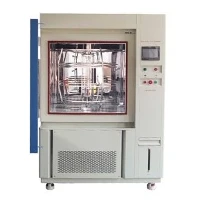
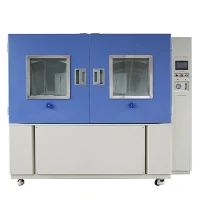
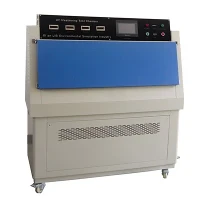
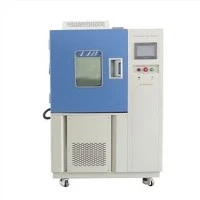
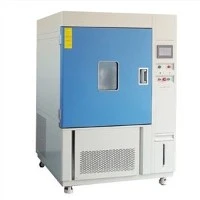
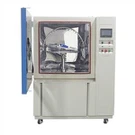
Hey there! I'm a supplier of CCT (Cyclic Corrosion Testing) chambers, and I often get asked the question: Can these chambers be used in cold regions? Well, let's dive into this topic and explore the ins and outs.
First off, what are CCT chambers anyway? These are super - useful pieces of equipment that simulate different environmental conditions to test how materials and products hold up against corrosion. They're used in a wide range of industries, from automotive to aerospace, to make sure that the stuff they produce can withstand the test of time and the elements.
Now, when it comes to using CCT chambers in cold regions, there are a few things to consider. One of the main concerns is the effect of low temperatures on the chamber's performance. Cold weather can have a significant impact on the mechanical and electrical components of the chamber.
Let's start with the mechanical side. In extremely cold conditions, the materials that make up the chamber's structure can become more brittle. For example, plastics and some metals may lose their flexibility and become prone to cracking. This can lead to leaks in the chamber, which is a big no - no when you're trying to maintain a controlled environment for corrosion testing.
The seals around the chamber doors are another area of concern. Seals are crucial for keeping the test environment stable. In cold weather, the rubber or silicone used in these seals can harden, losing their ability to form a tight seal. This can allow outside air to enter the chamber, affecting the accuracy of the test results.
On the electrical front, low temperatures can cause problems with the chamber's control systems. Batteries, if used, may have reduced capacity in the cold. Electrical cables and connectors can also become more rigid, increasing the risk of damage and electrical malfunctions.
But don't worry! Just because there are potential challenges doesn't mean that CCT chambers can't be used in cold regions. With the right precautions and modifications, they can work just fine.
One of the first steps is to insulate the chamber properly. Adding extra insulation to the walls of the chamber can help maintain a more stable internal temperature. This can prevent the cold from seeping in and affecting the components. There are various types of insulation materials available, such as foam and fiberglass, which can be installed relatively easily.
Another important measure is to use a heating system. A well - designed heating system can keep the chamber at the right temperature, regardless of the outside conditions. This can be especially useful during the winter months when the cold is most severe. Some CCT chambers come with built - in heating elements, but if yours doesn't, you can consider adding an external heating unit.
It's also a good idea to use cold - resistant materials for the chamber's components. For the seals, look for ones that are specifically designed to remain flexible in low temperatures. There are synthetic rubber compounds that can withstand cold better than traditional rubber. Similarly, when it comes to the electrical components, choose ones that are rated for cold - weather use.
Now, let's talk about the advantages of using CCT chambers even in cold regions. In industries like oil and gas, which operate in cold climates, it's essential to test the corrosion resistance of equipment and pipelines. Using a CCT chamber allows companies to simulate the harsh conditions they'll face in the field. This helps them identify potential corrosion issues early on and take preventive measures.
For example, in the Arctic regions where oil and gas exploration is happening, the equipment is exposed to freezing temperatures, high humidity, and saltwater spray. A CCT chamber can replicate these conditions, allowing engineers to test different coatings and materials to find the most suitable ones for the job.
At this point, you might be wondering where you can find high - quality CCT chambers and related equipment. Well, if you're looking for Cyclic Corrosion Testing Equipment, we've got you covered. Our products are designed to meet the highest standards and can be customized to suit your specific needs.
We also offer Salt Spraying Chamber and Salt Spray Cabinets. These are essential tools for corrosion testing, and they can be used in conjunction with CCT chambers to get a more comprehensive understanding of how materials perform under different conditions.


If you're in the market for CCT chambers or any of our other corrosion testing equipment, don't hesitate to get in touch. We're here to answer all your questions and help you find the right solution for your business. Whether you're in a cold region or not, we can provide you with the equipment you need to ensure the quality and durability of your products.
In conclusion, while there are challenges associated with using CCT chambers in cold regions, with the right precautions and the use of appropriate equipment, it's definitely possible. The benefits of having accurate corrosion testing in these areas far outweigh the difficulties. So, if you're looking to invest in corrosion testing equipment for your cold - climate operations, give us a shout. We're ready to help you take your testing to the next level.
References
- Corrosion Testing Handbook, Published by a leading industry publisher.
- Technical articles on environmental testing in cold regions, available in scientific journals.