





Is MIL - STD - 810G mandatory for military equipment?
Hey there! I'm a supplier of MIL - STD - 810G related products. Today, I wanna have a chat with you about whether MIL - STD - 810G is mandatory for military equipment.


First off, let's get a bit of background on MIL - STD - 810G. It's a military standard that provides guidelines for environmental engineering considerations and laboratory tests for military equipment. This standard covers a wide range of environmental stresses, like temperature, humidity, vibration, shock, and dust. The goal is to make sure that military equipment can function properly in various harsh environments.
Now, the big question: is it mandatory? Well, it's a bit of a mixed bag. In some cases, MIL - STD - 810G is indeed mandatory. The military often has strict requirements for the equipment they use. They need to ensure that the gear can withstand the rigors of combat, extreme weather conditions, and rough handling. For example, if you're supplying communication devices for the military, they'll likely require these devices to meet the MIL - STD - 810G standards. This is because reliable communication is crucial on the battlefield, and the equipment has to work even in the harshest of situations.
But it's not always set in stone. There are instances where the military might relax the requirements. Maybe they're in a hurry to get a certain piece of equipment into the field, and they're willing to accept a slightly lower standard for the sake of speed. Or perhaps the equipment is being used in a relatively benign environment where the full range of MIL - STD - 810G tests isn't really necessary.
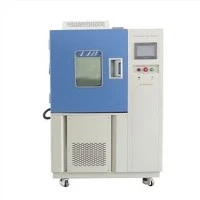
Let's take a closer look at some of the tests in MIL - STD - 810G. One of the important ones is the dust test. Dust can cause all sorts of problems for military equipment. It can clog up vents, damage moving parts, and interfere with electrical connections. That's where our Dust Chamber comes in. This chamber is designed to simulate different dust environments, allowing us to test how well the equipment can withstand dust ingress.
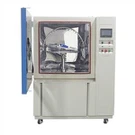
There's also the Dynamic Dust Chamber. This is a more advanced version that can create more realistic dust conditions. It can simulate wind - blown dust, which is a common scenario in desert environments where a lot of military operations take place. By using this chamber, we can get a better idea of how the equipment will perform in real - world situations.
And then there's the IP68 Test Apparatus. This apparatus is used to test the equipment's resistance to dust and water. The IP68 rating means that the equipment is completely dust - tight and can withstand long - term immersion in water under certain conditions. This is important for equipment that might be used near water sources or in wet environments.
So, why should military equipment meet these standards? Well, it's all about reliability and durability. When soldiers are out in the field, they can't afford to have their equipment break down. A malfunctioning radio or a faulty weapon can put their lives at risk. By adhering to MIL - STD - 810G, we can ensure that the equipment is built to last and can perform its intended function in any situation.
But there are also some challenges. Meeting these standards can be expensive. The testing process itself is time - consuming and requires specialized equipment. And manufacturers might have to make design changes to their products to meet the requirements. This can increase the cost of production, which in turn might make the equipment more expensive for the military to purchase.
Another challenge is that the standards are constantly evolving. MIL - STD - 810G is just one version, and there might be future updates. Manufacturers need to stay on top of these changes and make sure their products continue to meet the latest requirements.
As a supplier, I've seen firsthand the benefits of MIL - STD - 810G. Our products have helped many military contractors ensure that their equipment meets the standards. We've worked closely with them to understand their needs and provide the right testing solutions.
In conclusion, while MIL - STD - 810G isn't always mandatory for military equipment, it's highly recommended. It provides a level of assurance that the equipment can perform in harsh environments. And as a supplier, we're here to help make that happen. If you're in the military or a military contractor and you're looking for MIL - STD - 810G testing equipment, we'd love to have a chat with you. We can discuss your specific needs and see how we can help you meet the standards. So, don't hesitate to reach out for a procurement discussion.
References
- Military Handbook: MIL - STD - 810G, Department of Defense, United States
- Various industry reports on military equipment testing standards