

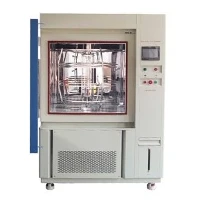
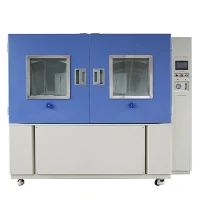
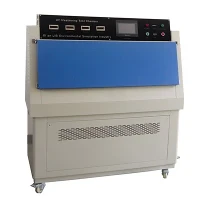
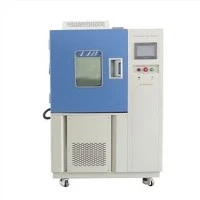
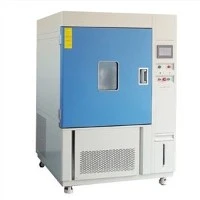
Hey there! As a dust tester supplier, I've seen my fair share of issues that customers run into with these devices. Dust testers are super important for making sure that products can handle dusty environments, but like any piece of equipment, they're not perfect. Let's dive into some of the common problems you might face with dust testers.
Calibration Issues
One of the most frequent problems is calibration. A dust tester needs to be calibrated regularly to give accurate readings. If it's not calibrated right, the results can be way off. This can happen for a few reasons. Sometimes, the sensors in the dust tester can get dirty or worn out over time. When that happens, they don't measure the dust particles correctly.
Another reason for calibration problems is changes in the environment. Dust testers are designed to work under specific conditions. If the temperature, humidity, or air pressure changes a lot, it can affect the calibration. For example, if it's really humid, the dust particles might clump together, and the tester won't measure them accurately.
To fix calibration issues, you need to follow the manufacturer's instructions for calibration. Usually, this involves using a known standard of dust and adjusting the tester until it gives the correct reading. If you're not sure how to do it, you can always contact the supplier for help.


Sensor Problems
The sensors in a dust tester are the heart of the device. They're what detect the dust particles and turn that information into a readable measurement. But sensors can have their own set of problems.
One common issue is sensor contamination. Dust can build up on the sensors, which can block the light or other detection methods used by the tester. This can lead to inaccurate readings or even cause the tester to stop working altogether. To prevent sensor contamination, you should keep the tester clean and use it in a relatively clean environment. If the sensors do get dirty, you might be able to clean them with a soft brush or a special cleaning solution, but make sure to follow the manufacturer's instructions.
Another problem with sensors is sensor failure. Over time, the sensors can wear out or get damaged. This can be due to normal use, exposure to harsh environments, or electrical problems. If a sensor fails, you'll need to replace it. Most dust testers have replaceable sensors, but it's a good idea to have a spare on hand in case of an emergency.
Data Logging and Connectivity Issues
Many modern dust testers come with data logging capabilities, which allow you to record the dust measurements over time. This is really useful for analyzing trends and making decisions about environmental control. However, data logging and connectivity can be a source of problems.
One issue is data loss. Sometimes, the data might not be saved correctly due to a software glitch or a power outage. To prevent data loss, you should make sure to back up your data regularly. Some testers allow you to save the data to an external device, like a USB drive, which is a good way to keep a copy of your important measurements.
Connectivity problems can also occur when trying to transfer the data from the tester to a computer or other device. This can be due to a faulty cable, a software compatibility issue, or a problem with the device's Bluetooth or Wi - Fi connection. If you're having connectivity problems, try checking the cables, updating the software, or resetting the connection settings.
Mechanical Problems
Dust testers have moving parts, such as fans and pumps, that are used to draw in the air and measure the dust particles. These mechanical parts can have problems too.
One common mechanical problem is a clogged fan or pump. Dust can get into the fan or pump and block the airflow, which can affect the accuracy of the measurements. To prevent clogging, you should clean the intake vents regularly and make sure the tester is used in an environment with a reasonable amount of dust.
Another issue is mechanical wear and tear. Over time, the moving parts can wear out, which can cause the tester to make strange noises or not work properly. If you notice any unusual noises or vibrations, it's a good idea to have the tester checked by a professional.
Software and Firmware Issues
Most dust testers run on software or firmware, which can have its own set of problems. Software bugs can cause the tester to give incorrect readings, freeze, or crash. Firmware updates are often released to fix these bugs and improve the performance of the tester.
However, installing firmware updates can also be a problem. Sometimes, the update process can fail, or the new firmware might not be compatible with the tester's hardware. To avoid these issues, make sure to follow the manufacturer's instructions carefully when installing firmware updates. If you have any problems during the update process, contact the supplier for assistance.
Compatibility with Different Dust Types
Dust testers are designed to detect and measure different types of dust. But not all testers are equally good at detecting all types of dust.
Some testers are more sensitive to certain types of dust, such as fine dust particles or specific chemical compounds. If you're trying to measure a type of dust that the tester isn't designed for, you might get inaccurate results. For example, if you're using a tester that's designed for measuring general atmospheric dust and you try to measure a very fine powder, the tester might not be able to detect all the particles.
To ensure accurate measurements, you need to choose a dust tester that's suitable for the type of dust you're trying to measure. If you're not sure which tester to use, you can consult the supplier or do some research on the different types of dust testers available.
Environmental Interference
The environment in which you use the dust tester can also cause problems. There are several factors in the environment that can interfere with the tester's measurements.
For example, air movement can affect the distribution of dust particles around the tester. If there's a strong draft or wind, the dust particles might be blown away from the tester, leading to inaccurate readings. To minimize the effect of air movement, you should try to use the tester in a stable environment or use a shield to protect it from drafts.
Light can also interfere with some types of dust testers. If the tester uses a light - based detection method, bright sunlight or other sources of light can cause false readings. You should try to use the tester in a dimly lit environment or avoid direct sunlight.
Maintenance and Service
Proper maintenance and service are essential for keeping a dust tester in good working condition. But many users don't follow the recommended maintenance schedule, which can lead to problems down the road.
Regular maintenance includes cleaning the tester, checking the sensors, and replacing any worn - out parts. If you don't clean the tester regularly, dust can build up and cause problems with the sensors and other components. If you don't replace worn - out parts, the tester might not work as well or might even break down completely.
In addition to regular maintenance, you should also have the tester serviced by a professional periodically. This can help to identify and fix any potential problems before they become serious.
Conclusion
As you can see, there are several common problems that you might face with dust testers. But don't let these problems scare you away from using a dust tester. With proper care, maintenance, and understanding of the potential issues, you can ensure that your dust tester gives accurate and reliable measurements.
If you're in the market for a dust tester or you're having problems with your current one, don't hesitate to contact us. We're a dust tester supplier, and we have the expertise and experience to help you choose the right tester for your needs and to solve any problems you might have. We also offer a range of related products, such as IP67 Water Test Equipment, Rain Shower Chamber, and Ipx3 X4 Test Machine.
So, if you're ready to take the next step in dust testing, reach out to us today. We're here to help you make the most of your dust testing equipment.
References
- Manufacturer's manuals for dust testers
- Industry standards for dust testing
- Technical papers on dust detection and measurement