


The assessment of waterproofness is crucial in various industries, especially when it comes to building materials. Ensuring that building materials can withstand water exposure is essential for the durability and safety of structures. In this blog, we will explore the differences between the IPX3 test and the general waterproofness assessment for building materials. As an IPX3 test supplier, I have in - depth knowledge of these processes and will share valuable insights.
Understanding IPX3 Test
The IPX3 test is a part of the International Protection Marking (IP) system, which is used to define the degrees of protection provided by enclosures against the intrusion of solid objects (first digit) and water (second digit). In the case of IPX3, the "X" indicates that there is no specific protection rating for solid objects, and the "3" refers to protection against spraying water.
The IPX3 test involves spraying water at an angle between 0° and 60° from the vertical onto the test specimen. The water is sprayed at a rate of 5 ± 1 L/min for a duration of 10 minutes per square meter of the specimen's surface area. This test simulates the conditions of rain falling at an angle, which is a common scenario in outdoor environments.
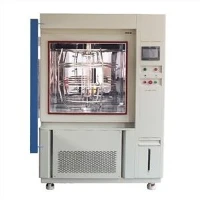
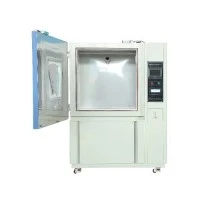
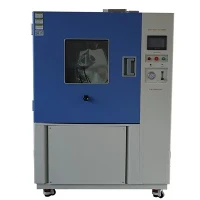
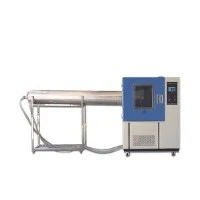
As an IPX3 test supplier, we provide specialized test equipment that can accurately replicate these conditions. Our IPX3 test chambers are designed to ensure uniform water spray distribution and precise control of the spraying angle and water flow rate. This allows for reliable and repeatable test results, which are essential for manufacturers to meet the required standards.
General Waterproofness Assessment for Building Materials
The waterproofness assessment for building materials is a broader concept that encompasses a variety of tests and evaluations. Unlike the IPX3 test, which focuses on a specific type of water exposure (spraying water), the general waterproofness assessment may include tests for different water - related scenarios, such as immersion, water pressure, and long - term water exposure.
For example, some building materials, like waterproof membranes or roofing materials, may need to be tested for their ability to withstand water immersion. In this type of test, the specimen is completely submerged in water for a certain period, and then its performance is evaluated based on factors such as water absorption, leakage, and changes in physical properties.


Another aspect of the general waterproofness assessment is the evaluation of a material's resistance to water pressure. This is particularly important for materials used in underground structures or in areas where there is a high water table. The test involves applying a specific water pressure to the specimen and monitoring for any signs of leakage or failure.
Key Differences between IPX3 Test and General Waterproofness Assessment
1. Scope of Water Exposure
The IPX3 test has a limited scope of water exposure, focusing only on spraying water at an angle. In contrast, the general waterproofness assessment covers a wider range of water - related scenarios, including immersion, water pressure, and long - term water exposure. For building materials that are expected to be exposed to different types of water conditions, a comprehensive waterproofness assessment is necessary.
2. Test Conditions
The test conditions for the IPX3 test are well - defined and standardized. The water flow rate, spraying angle, and test duration are all specified. On the other hand, the general waterproofness assessment may involve a variety of test conditions depending on the type of material and its intended use. For example, the immersion time and water temperature may vary for different materials.
3. Standards and Applications
The IPX3 test is mainly used to assess the waterproofness of electrical enclosures and some consumer products. It is standardized by international standards organizations, such as the International Electrotechnical Commission (IEC). In the building industry, the IPX3 test may be used for some building components, such as outdoor electrical boxes or lighting fixtures.
The general waterproofness assessment for building materials is guided by building codes and standards specific to the construction industry. These standards are designed to ensure the safety and durability of buildings. For example, the American Society for Testing and Materials (ASTM) has a series of standards for testing the waterproofness of building materials.
Advantages of IPX3 Test for Building Materials
Although the IPX3 test has a limited scope compared to the general waterproofness assessment, it still offers several advantages for building materials.
Firstly, the IPX3 test is relatively simple and cost - effective. It can be completed in a relatively short time, and the test equipment is widely available. This makes it a practical option for quick initial evaluations of building materials.
Secondly, the IPX3 test can provide valuable information about a material's resistance to rain - like conditions. For building materials that are exposed to outdoor environments, such as facades or windows, the ability to withstand spraying water is an important factor.
As an IPX3 test supplier, we offer a range of test equipment that can be customized to meet the specific needs of building material manufacturers. Our IPX4 Rain Chamber and Rain Test Chambers can be adjusted to simulate different spraying conditions, allowing for more comprehensive testing.
Complementary Use of IPX3 Test and General Waterproofness Assessment
In many cases, the IPX3 test and the general waterproofness assessment can be used in a complementary manner. The IPX3 test can be used as a preliminary screening test to quickly identify materials that may have potential issues with water spraying. Materials that pass the IPX3 test can then be subjected to more comprehensive waterproofness assessments, such as immersion or water pressure tests.
This approach not only saves time and resources but also ensures that building materials meet the highest standards of waterproofness. By using both methods, manufacturers can have a more complete understanding of their materials' performance and make informed decisions about their use in construction projects.
Our Role as an IPX3 Test Supplier
As an IPX3 test supplier, we are committed to providing high - quality test equipment and services to the building materials industry. Our Ipx4 Waterproof Test Equipment is designed to meet the strict requirements of the IPX3 test and can be used for accurate and reliable testing.
We also offer technical support and training to our customers, ensuring that they can operate the test equipment correctly and interpret the test results accurately. Our team of experts has extensive experience in the field of waterproofness testing and can provide valuable advice on test methods and standards.
Contact Us for Purchase and Consultation
If you are a building material manufacturer or involved in the construction industry and are interested in IPX3 testing or waterproofness assessment, we encourage you to contact us. Our team is ready to assist you in selecting the right test equipment and providing customized solutions for your specific needs. Whether you need a simple IPX3 test chamber or a comprehensive waterproofness testing system, we have the expertise and products to meet your requirements.
References
- International Electrotechnical Commission (IEC). IEC 60529: Degrees of protection provided by enclosures (IP Code).
- American Society for Testing and Materials (ASTM). Various standards related to waterproofness testing of building materials.
- National Building Code. Requirements for waterproofing in building construction.