


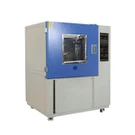
What are the quality standards for CCT chambers?
As a supplier of CCT (Cyclic Corrosion Test) chambers, I understand the critical importance of adhering to high - quality standards in the manufacturing and operation of these essential testing equipment. CCT chambers are used to simulate various environmental conditions to evaluate the corrosion resistance of materials and products. Ensuring that these chambers meet strict quality criteria is not only crucial for accurate test results but also for the safety and reliability of the testing process.
Structural Integrity
One of the fundamental quality standards for CCT chambers is structural integrity. The chamber must be able to withstand the internal pressures and forces generated during the testing process. The materials used in the construction of the chamber should be of high - grade, corrosion - resistant materials. For example, the inner chamber is often made of high - density polypropylene (PP) or fiberglass - reinforced plastic (FRP). These materials can resist the corrosive effects of salt spray and other test agents, ensuring a long service life for the chamber.
The chamber's frame should be sturdy and well - designed to support the weight of the chamber and its contents. It should be able to maintain its shape and stability even under continuous use. Welding and joining points should be carefully inspected to ensure they are strong and free from defects. A well - constructed chamber will prevent leaks and ensure that the test environment remains stable throughout the testing period.
Temperature and Humidity Control
Accurate temperature and humidity control are essential for reliable CCT testing. The chamber should be able to maintain a consistent temperature and humidity level within a narrow tolerance range. For most CCT tests, the temperature range can vary from around 20°C to 60°C, and the humidity can range from 30% to 98%.
The heating and cooling systems of the chamber should be efficient and responsive. They should be able to quickly adjust to changes in the set temperature and maintain it with high precision. The humidity control system should be able to accurately add or remove moisture from the chamber to achieve the desired humidity level. This is typically done through a combination of steam generators, humidifiers, and dehumidifiers.
To ensure the accuracy of temperature and humidity control, the chamber should be equipped with high - quality sensors. These sensors should be calibrated regularly to provide accurate readings. A data logging system can also be installed to record the temperature and humidity data throughout the test, allowing for detailed analysis and verification of the test conditions.
Spray System
The spray system is a key component of a CCT chamber. It is responsible for generating the salt fog or other test solutions used in the corrosion test. The spray system should be able to produce a fine and uniform mist of the test solution. This ensures that the test specimens are evenly exposed to the corrosive environment.
The nozzles in the spray system should be made of corrosion - resistant materials such as stainless steel or special plastics. They should be designed to prevent clogging and ensure a consistent flow of the test solution. The pressure and flow rate of the spray system should be adjustable to meet the requirements of different test standards.
For example, in some test standards, the spray rate is specified as a certain volume of test solution per hour per square meter of the test area. The spray system should be able to accurately achieve this rate. Regular maintenance of the spray system, including cleaning and replacement of worn - out parts, is necessary to ensure its proper functioning.
Air Circulation
Proper air circulation is important for uniform distribution of the test environment within the chamber. The chamber should be designed with an efficient air circulation system to ensure that the temperature, humidity, and test solution are evenly distributed throughout the chamber.
Fans or blowers are commonly used to create air movement within the chamber. The air circulation system should be able to prevent the formation of stagnant areas where the test conditions may be different from the rest of the chamber. This helps to ensure that all test specimens are exposed to the same test environment, leading to more accurate and comparable test results.
Safety Features
Safety is a top priority when it comes to CCT chambers. The chamber should be equipped with multiple safety features to protect the operators and the surrounding environment. For example, over - temperature protection devices should be installed to prevent the chamber from overheating. These devices can automatically shut off the heating system if the temperature exceeds a pre - set limit.
Leak detection sensors can be used to detect any leaks of the test solution. If a leak is detected, the system can be programmed to shut down and alert the operator. Additionally, proper ventilation systems should be in place to remove any harmful fumes or vapors generated during the testing process.


Compliance with Standards
CCT chambers should comply with relevant international and industry - specific standards. Some of the well - known standards include ASTM B117, ISO 9227, and VDA 621 - 415. These standards define the test procedures, test conditions, and equipment requirements for corrosion testing.
Compliance with these standards ensures that the test results obtained from the chamber are comparable and reliable. It also allows the users of the test results to have confidence in the accuracy of the corrosion evaluation. As a supplier, we are committed to ensuring that our CCT chambers meet or exceed these standards through rigorous testing and quality control procedures.
Our Product Range
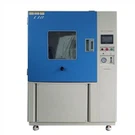
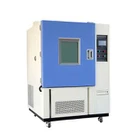
At our company, we offer a wide range of CCT chambers, including Salt Fog Resistance Chamber, Cyclic Corrosion Test Machine, and Salt Fog Test Equipment. These products are designed to meet the diverse needs of our customers in different industries such as automotive, aerospace, and electronics.
Our chambers are built with the highest quality materials and advanced technology to ensure accurate and reproducible test results. We also provide comprehensive after - sales service, including installation, calibration, and maintenance.
Why Choose Our CCT Chambers
When you choose our CCT chambers, you are choosing a product that is backed by years of experience and expertise in the field of corrosion testing. Our chambers are designed to meet the strictest quality standards, ensuring reliable and accurate test results.
We understand that each customer may have unique requirements for their corrosion testing. That's why we offer customizable solutions to meet your specific needs. Whether you need a small - scale chamber for a research laboratory or a large - scale chamber for industrial production testing, we can provide the right solution for you.
If you are in the market for a high - quality CCT chamber, we invite you to contact us for a detailed consultation. Our team of experts will be happy to discuss your requirements and help you choose the best chamber for your application. We are committed to providing you with the best products and services to ensure the success of your corrosion testing.
References
- ASTM International. ASTM B117 - Standard Practice for Operating Salt Spray (Fog) Apparatus.
- International Organization for Standardization. ISO 9227 - Corrosion tests in artificial atmospheres -- Salt spray tests.
- Verband der Automobilindustrie (VDA). VDA 621 - 415 - Corrosion test methods for paints and varnishes on automotive components.