

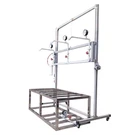
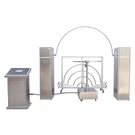
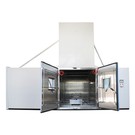

When it comes to testing toys, a rain chamber can be a game - changer. As a rain chamber supplier, I've seen firsthand how crucial it is to understand the test requirements for using a rain chamber on toys. In this blog, I'll break down these requirements and give you a clear picture of what you need to know.
Why Test Toys in a Rain Chamber?
Toys are used in all sorts of environments, and they might get exposed to rain. Whether it's a child playing with a toy outdoors during a light drizzle or a heavy downpour, toys need to withstand these conditions. Testing toys in a Rain Chamber helps manufacturers ensure that their products are safe and functional even when wet.
General Test Requirements
1. Simulation of Rain Conditions
The first and most obvious requirement is to simulate real - world rain conditions. This includes factors like the intensity of the rain, the size of the raindrops, and the angle at which the rain falls. Different types of toys might need different rain simulations. For example, a large outdoor play structure might need to be tested under heavy rain conditions, while a small handheld toy could be tested under lighter rain.
We usually measure the intensity of rain in millimeters per hour. A light rain might be around 1 - 2 mm/h, while a heavy rain could be 50 mm/h or more. In a rain chamber, we can control this intensity precisely to replicate different weather scenarios.
The size of raindrops also matters. In nature, raindrop sizes can vary from very small (less than 0.5 mm) to large (up to 6 mm). Our rain chambers are designed to produce raindrops of different sizes to mimic real - life conditions.
The angle of the rain can affect how water penetrates the toy. We can adjust the nozzles in the rain chamber to make the rain fall at different angles, such as vertically or at an inclined angle.
2. Duration of the Test
The duration of the test depends on the type of toy and its intended use. A toy that is meant to be used briefly outdoors might only need a short test, say 10 - 15 minutes. On the other hand, a toy that is designed for long - term outdoor use, like a garden swing set, could require a test that lasts several hours or even days.
During the test, we monitor the toy closely to see how it responds to the rain. For example, we check if water is seeping into parts of the toy where it shouldn't, or if the toy's functionality is affected.
3. Temperature and Humidity
Temperature and humidity can also play a role in the testing process. In a real - world scenario, rain often comes with changes in temperature and humidity. We can control the temperature and humidity inside the rain chamber to make the test more realistic.
For example, if we're testing a toy that is likely to be used in a tropical climate, we can set the temperature and humidity to mimic those conditions. High humidity can cause moisture to build up inside the toy, which might lead to corrosion or other damage over time.
IP Rating - Specific Requirements
Many toys are assigned an IP (Ingress Protection) rating, which indicates their level of protection against solids and liquids. Two common IP ratings for toys are IP65 and IP66, and each has its own specific test requirements when using a rain chamber.
IP65 Testing
Toys with an IP65 rating are protected against dust (the '6' in the rating) and low - pressure water jets (the '5'). When testing a toy for IP65 rating in our IP65 Testing Unit, we use a water jet with a specific flow rate and pressure.
The water jet is directed at the toy from different angles for a set period of time. The flow rate is usually around 12.5 liters per minute, and the test lasts for about 3 minutes per square meter of the toy's surface area.
During the test, we check if any water enters the toy in sufficient quantity to cause damage to its electrical components (if it has any) or to affect its mechanical functionality.
IP66 Testing
Toys with an IP66 rating are also protected against dust, but they can withstand high - pressure water jets. The test for IP66 rating in an IP66 Test Chamber is more rigorous than the IP65 test.
We use a water jet with a higher flow rate, around 100 liters per minute, and direct it at the toy from different angles. The test lasts for about 3 minutes per square meter of the toy's surface area, just like the IP65 test.

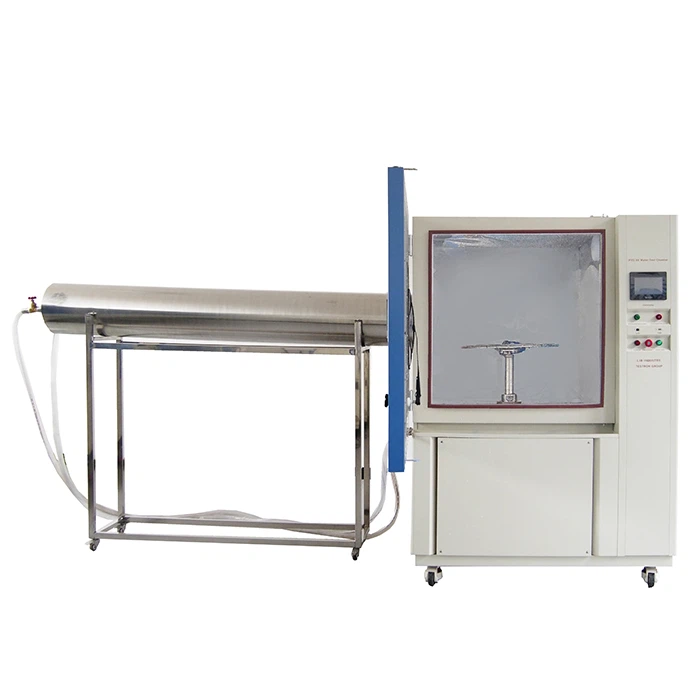
After the test, we inspect the toy to make sure that no water has entered the parts where it could cause harm. This is especially important for toys that have sensitive electronic components.
Post - Test Evaluation
Once the test in the rain chamber is complete, we conduct a thorough evaluation of the toy. We look for any visible signs of damage, such as rust, corrosion, or cracks. We also test the toy's functionality to make sure it still works as intended.
If the toy fails the test, we work with the manufacturer to identify the problem areas and suggest solutions. For example, if water is seeping into a particular part of the toy, we might recommend adding additional seals or gaskets.
Conclusion
Testing toys in a rain chamber is a complex but essential process. By meeting the test requirements, manufacturers can ensure that their toys are safe and durable, even when exposed to rain. Whether it's simulating different rain conditions, adhering to IP rating - specific tests, or conducting a proper post - test evaluation, every step in the process is crucial.
If you're in the toy manufacturing industry and are looking for a reliable rain chamber for your testing needs, we're here to help. We offer high - quality rain chambers that can be customized to meet your specific requirements. Contact us to discuss your needs and start the procurement process. We're ready to work with you to ensure that your toys pass the rain test with flying colors.
References
- International Electrotechnical Commission (IEC) standards on ingress protection ratings.
- ASTM International standards related to toy testing in wet conditions.