


The history of MIL - STD - 810G is a rich and significant journey that has had a profound impact on the military and various industries. As a supplier of MIL - STD - 810G related products, I have witnessed firsthand the evolution and importance of this standard.
Origins of MIL - STD - 810
The story of MIL - STD - 810 begins in the mid - 20th century. During the Cold War era, the United States military faced the challenge of ensuring that its equipment could withstand the harsh and diverse environments it might encounter. Whether it was the extreme heat of deserts, the freezing cold of arctic regions, or the high - humidity conditions of tropical areas, military hardware needed to function reliably.
In 1962, the first version of MIL - STD - 810 was introduced. This standard set out a series of tests and procedures to evaluate the environmental adaptability of military equipment. It was a revolutionary step as it provided a systematic and standardized approach to testing. Before MIL - STD - 810, there was a lack of uniformity in testing methods, which could lead to inconsistent results and unreliable equipment performance.
Evolution to MIL - STD - 810G
Over the years, MIL - STD - 810 underwent several revisions to keep up with technological advancements and changing military requirements. Each new version incorporated lessons learned from previous tests and real - world experiences.
MIL - STD - 810G was released in 2008. This version represented a significant refinement of the previous standards. It aimed to provide more flexibility in testing while maintaining the high level of rigor required for military applications. One of the key features of MIL - STD - 810G was its emphasis on tailoring the test procedures to the specific equipment and its intended use. This meant that instead of applying a one - size - fits - all approach, the test methods could be adjusted to better reflect the actual environmental conditions the equipment would face.
Key Components of MIL - STD - 810G
MIL - STD - 810G covers a wide range of environmental tests. These include temperature tests, humidity tests, shock tests, vibration tests, and sand and dust tests, among others.
Temperature Tests
Temperature is one of the most critical environmental factors that can affect the performance of military equipment. MIL - STD - 810G defines procedures for testing equipment at both high and low temperatures. For example, equipment might be tested at temperatures as high as 71°C (160°F) or as low as - 54°C (- 65°F). These tests help to ensure that the equipment can operate properly in extreme temperature conditions, such as in desert or arctic environments.
Sand and Dust Tests
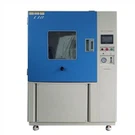
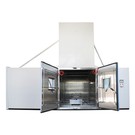
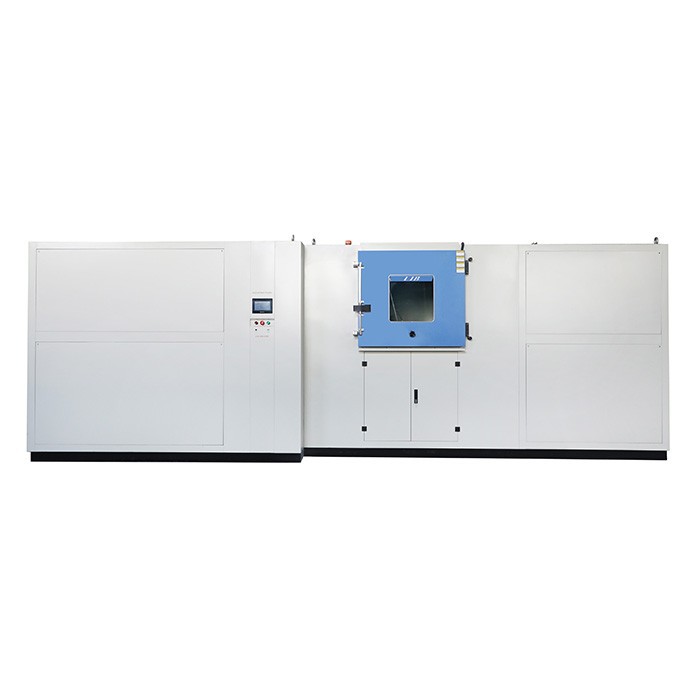
Sand and dust are common environmental hazards, especially in desert regions. MIL - STD - 810G includes detailed procedures for sand and dust testing. The tests are designed to simulate the effects of blowing sand and dust on equipment. This can help to identify potential problems such as clogging of filters, abrasion of surfaces, and malfunction of moving parts. If you are interested in our MIL STD 810G Sand Test Chamber, it is specifically designed to meet the requirements of MIL - STD - 810G sand and dust tests.
Vibration Tests
Vibration can occur during transportation, operation of vehicles, or even during aircraft flights. MIL - STD - 810G specifies vibration test procedures to evaluate the structural integrity and functionality of equipment under vibration conditions. These tests can help to detect loose components, fatigue failures, or other issues that could affect the performance of the equipment.
Impact on Industries
The influence of MIL - STD - 810G extends beyond the military. Many civilian industries, such as aerospace, automotive, and electronics, have adopted the standard or similar testing procedures. The reason for this is that the high - quality and rigorous testing requirements of MIL - STD - 810G can help to improve the reliability and durability of products.
In the aerospace industry, for example, equipment needs to withstand extreme environmental conditions during flight. By using MIL - STD - 810G testing methods, aerospace companies can ensure that their products meet the highest standards of safety and performance.
In the automotive industry, vehicles may be exposed to a variety of environmental conditions, from rough roads to extreme weather. MIL - STD - 810G testing can help automotive manufacturers to identify and address potential issues before the vehicles are released to the market.
Our Role as a Supplier
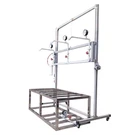
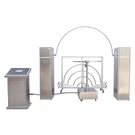
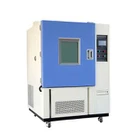
As a supplier of MIL - STD - 810G related products, we play a crucial role in helping our customers meet the requirements of this standard. We offer a range of test chambers, including Mil - std - 810 Test Chamber, which are designed to perform the various tests specified in MIL - STD - 810G.
Our test chambers are equipped with advanced technology and precise control systems to ensure accurate and repeatable test results. We also provide high - quality Dust Chamber Talcum Powder for sand and dust tests, which meets the strict requirements of MIL - STD - 810G.
We work closely with our customers to understand their specific needs and provide customized solutions. Whether it is a small - scale testing project or a large - scale production - line testing, we have the expertise and resources to support our customers.

Looking to the Future
The history of MIL - STD - 810G is a testament to the continuous pursuit of excellence in equipment testing. As technology continues to evolve, we can expect further revisions to the standard to address new challenges and opportunities.
In the future, we anticipate that MIL - STD - 810G will incorporate more advanced testing methods, such as the use of virtual testing and simulation. These technologies can help to reduce the time and cost of testing while still providing accurate and reliable results.
Contact for Procurement and Collaboration
If you are in need of MIL - STD - 810G compliant products or have any questions about our test chambers and related materials, we encourage you to contact us. Our team of experts is ready to assist you in finding the best solutions for your testing needs. Whether you are a military contractor, an aerospace company, or an automotive manufacturer, we can provide you with the high - quality products and services you require.
References
- Department of Defense. (2008). MIL - STD - 810G, Environmental Engineering Considerations and Laboratory Tests.
- Various industry reports on the application of MIL - STD - 810G in different sectors.