


Aging tests play a crucial role in assessing the long - term performance and reliability of various materials, and ceramics are no exception. As an aging test supplier, I have witnessed firsthand the importance of understanding the aging test principle of ceramics. In this blog, I will delve into the details of what the aging test principle of ceramics entails.
Understanding Ceramics and Their Importance
Ceramics are a diverse group of materials made from inorganic, non - metallic compounds. They are known for their high hardness, excellent heat resistance, good electrical insulation properties, and chemical stability. Ceramics are widely used in many industries, including electronics, aerospace, automotive, and construction. For example, in the electronics industry, ceramic substrates are used to support and connect electronic components. In aerospace, ceramic materials are used in heat shields to protect spacecraft during re - entry into the Earth's atmosphere.
However, like all materials, ceramics can experience changes in their properties over time due to various environmental factors. These changes can affect their performance and reliability, which is why aging tests are necessary.
The Basics of Aging Tests
Aging tests are designed to simulate the long - term effects of environmental factors on materials in a relatively short period. By subjecting ceramics to accelerated aging conditions, we can predict how they will perform over their intended service life. The main environmental factors considered in aging tests for ceramics include temperature, humidity, mechanical stress, and chemical exposure.
Temperature Effects
Temperature is one of the most significant factors affecting the aging of ceramics. High temperatures can cause thermal expansion and contraction of ceramic materials, which can lead to internal stresses and cracking. At elevated temperatures, chemical reactions within the ceramic structure may also occur, such as oxidation or phase transformations. These reactions can change the composition and microstructure of the ceramic, thereby altering its mechanical, electrical, and thermal properties.
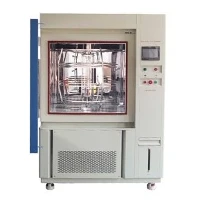
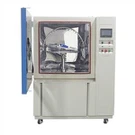
For example, in a Temperature Humidity Vibration Chamber, we can precisely control the temperature to simulate different operating conditions. By subjecting ceramics to high - temperature cycles, we can observe how their physical and chemical properties change over time.
Humidity Effects
Humidity can also have a profound impact on the aging of ceramics. Water vapor in the air can react with the ceramic surface, leading to corrosion or hydrolysis. In some cases, water can penetrate into the ceramic pores and cause swelling or degradation of the material. High humidity can also promote the growth of microorganisms on the ceramic surface, which can further damage the material.
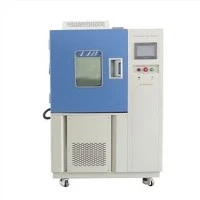
A Humidity Control Environmental Chamber is an ideal tool for studying the effects of humidity on ceramics. By controlling the relative humidity levels inside the chamber, we can accurately simulate different environmental conditions and observe how ceramics respond to moisture exposure.
Mechanical Stress Effects
Mechanical stress is another important factor in the aging of ceramics. During their service life, ceramics may be subjected to various types of mechanical loads, such as compression, tension, bending, and torsion. Repeated mechanical stress can cause fatigue and crack propagation in the ceramic material, eventually leading to failure.
To study the effects of mechanical stress on ceramics, we can use specialized testing equipment to apply controlled loads to the ceramic samples. By combining mechanical stress with other environmental factors, such as temperature and humidity, we can more accurately simulate the real - world conditions that ceramics will encounter.
Chemical Exposure Effects
Ceramics may also be exposed to various chemicals during their service life, such as acids, bases, and salts. These chemicals can react with the ceramic surface and cause corrosion or dissolution. Chemical exposure can also change the surface properties of the ceramic, such as its wettability and adhesion, which can affect its performance in different applications.
In our aging tests, we can expose ceramic samples to different chemical solutions to study their chemical resistance. By monitoring the changes in the ceramic properties over time, we can evaluate its long - term performance in chemically aggressive environments.
The Aging Test Principle in Practice
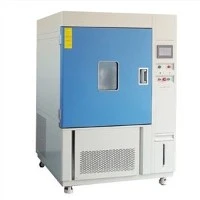
The aging test principle of ceramics involves a combination of these environmental factors to simulate real - world conditions. We typically start by selecting representative ceramic samples and preparing them for testing. The samples are then placed in a test chamber, where the environmental conditions are carefully controlled.
The test parameters, such as temperature, humidity, mechanical stress, and chemical exposure, are set according to the intended application of the ceramics. For example, if the ceramics are used in a high - temperature and high - humidity environment, the test chamber will be set to simulate these conditions.
During the test, we regularly monitor the properties of the ceramic samples. This may include measuring their mechanical properties (such as hardness, strength, and toughness), electrical properties (such as conductivity and dielectric constant), and thermal properties (such as thermal conductivity and expansion coefficient). By comparing the properties of the samples before and after the aging test, we can determine the extent of the aging effects and evaluate the long - term performance of the ceramics.
The Role of Advanced Testing Chambers
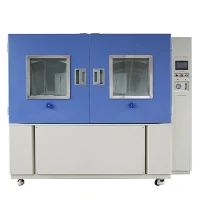
As an aging test supplier, we rely on advanced testing chambers to ensure accurate and reliable aging tests. Constant Temperature And Humidity Chamber is one of the most commonly used equipment in our testing facilities. These chambers can maintain a constant temperature and humidity environment, which is essential for simulating stable operating conditions.
The Temperature Humidity Vibration Chamber is another important tool. It allows us to combine temperature, humidity, and vibration effects in a single test, which more closely mimics the real - world conditions that ceramics may encounter. By subjecting the ceramic samples to vibration, we can also study the effects of mechanical stress on the aging process.


Benefits of Aging Tests for Ceramics
Aging tests for ceramics offer several benefits. Firstly, they help manufacturers to improve the quality and reliability of their ceramic products. By identifying potential aging issues early in the development process, manufacturers can make necessary design and material changes to enhance the long - term performance of their ceramics.
Secondly, aging tests provide valuable data for product certification and compliance. Many industries have strict standards and regulations regarding the performance and reliability of materials. Aging test results can be used to demonstrate that ceramic products meet these requirements.
Finally, aging tests can help end - users to make informed decisions when selecting ceramic products. By understanding the long - term performance of different ceramics, end - users can choose the most suitable materials for their specific applications.
Contact Us for Aging Tests
If you are involved in the production, research, or application of ceramics and are interested in aging tests, we are here to help. As an experienced aging test supplier, we have the expertise and advanced equipment to provide accurate and reliable aging test services. Whether you need to test the effects of temperature, humidity, mechanical stress, or chemical exposure on your ceramic products, we can customize a testing solution to meet your specific needs.
Contact us today to discuss your aging test requirements and start ensuring the long - term performance and reliability of your ceramic materials.
References
- "Ceramics: Structure, Properties, and Processing" by Richard A. Haber.
- "Handbook of Environmental Testing" by John A. Dally.
- "Materials Science and Engineering: An Introduction" by William D. Callister, Jr. and David G. Rethwisch.