


What is the Aging Test Process for Solar Panels?
Hey there! As an aging test supplier, I'm here to give you the lowdown on the aging test process for solar panels. Solar panels are a crucial part of the renewable energy scene, and making sure they can stand the test of time is super important. So, let's dive right in and explore what goes into the aging test process.
Why Aging Tests Matter
First off, you might be wondering why we even do aging tests on solar panels. Well, solar panels are often installed in all sorts of harsh environments, from scorching deserts to freezing mountains. They've got to handle heat, cold, humidity, and all the elements thrown at them for decades. Aging tests simulate these real - world conditions over a shorter period to predict how well the panels will perform in the long run. This helps manufacturers and consumers alike. Manufacturers can improve their products, and consumers can have more confidence in the panels they're buying.
The Basics of the Aging Test Process
Temperature Cycling Tests
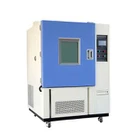
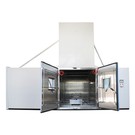
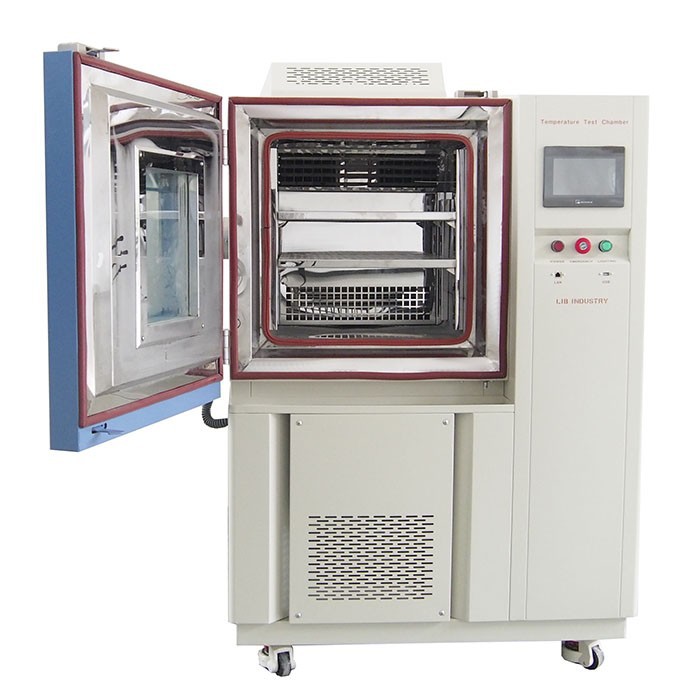
One of the key parts of the aging test is temperature cycling. Solar panels experience big temperature changes in real life, and this can cause stress on the materials. In a temperature cycling test, we use a High Low Temperature Test Chamber.
This chamber allows us to quickly change the temperature inside, mimicking the daily and seasonal temperature variations. For example, we might start by heating the panels to a high temperature, like 85°C (185°F), holding it there for a while, and then rapidly cooling them down to a low temperature, say -40°C (-40°F). This cycle is repeated many times, usually hundreds or even thousands of times. During this process, we keep an eye on the electrical performance of the panels. A good panel should maintain a certain level of efficiency and not show any major drops in power output.
Humidity and Temperature Tests
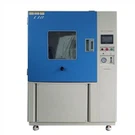
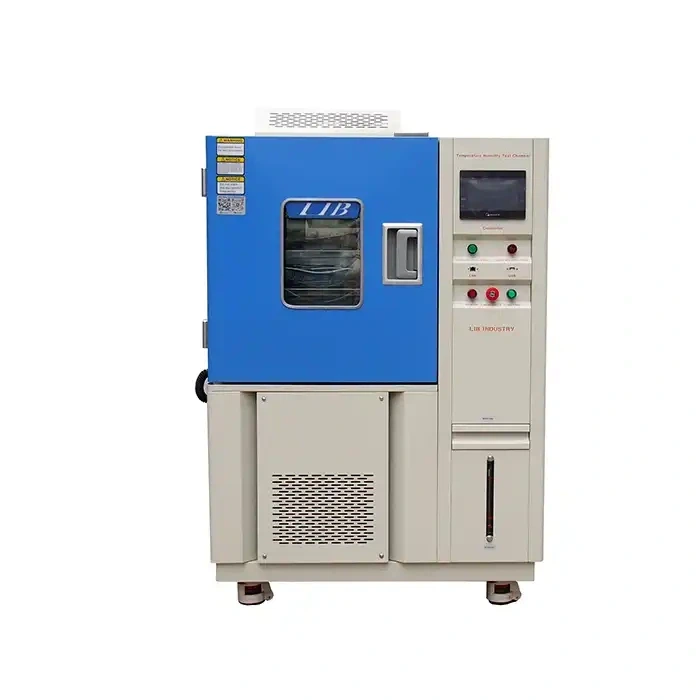
Another important aspect is the combined humidity and temperature test. Moisture can be a panel's worst enemy as it can seep into the panels and cause corrosion and degradation. In a Climatic Test Cabinet, we can control both the temperature and the humidity levels.
We might set the chamber to a high humidity level, like 85% relative humidity, at a relatively warm temperature, around 60°C (140°F). The panels are then left in this environment for a specific duration, often several hundred hours. This test helps us see how well the panels are sealed and how resistant they are to moisture - related damage. Just like in the temperature cycling test, we monitor the panels' electrical performance throughout.
UV Exposure Tests
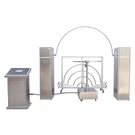
Solar panels are constantly exposed to sunlight, and a major part of sunlight is ultraviolet (UV) radiation. UV rays can break down the materials in the panels over time. To simulate this, we use special equipment that emits UV light.
The panels are placed under this UV light source for a set number of hours, which is equivalent to years of real - world exposure. This test can reveal if the panel's outer layers, like the encapsulant and the protective glass, are able to withstand UV degradation. If the materials break down, it can lead to a loss of efficiency and even structural damage to the panel.
Mechanical Stress Tests
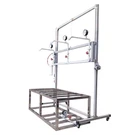
Solar panels also need to be able to handle mechanical stress. This can come from things like wind, snow loads, or even the vibrations during transportation. In the mechanical stress tests, we subject the panels to different types of stress.
One common test is the hail impact test. We use a machine that fires ice balls of a certain size and speed at the panels. This simulates the impact of hailstones hitting the panels in a real - world storm. Another test is the wind load test, where we use a large fan to create high - speed winds and see how the panels hold up under the pressure.
The Role of a Supplier
As an aging test supplier, I'm involved in every step of this process. We've got the advanced test equipment, like the ones I mentioned above, which are calibrated to meet international standards. Our team of experts knows how to operate these machines properly and interpret the results accurately.
When a manufacturer sends us their solar panels for testing, we first create a customized test plan based on the panel's design, intended use, and the specific requirements of the customer. We then carry out the tests and provide a detailed report on the panel's performance. This report includes information on any failures or degradation that occurred during the tests and suggestions on how the manufacturer can improve their product.
The Impact on the Solar Industry
The aging test process has a huge impact on the solar industry. For manufacturers, it means they can improve the quality and reliability of their products. By finding and fixing any weaknesses early on, they can reduce the number of warranty claims and increase customer satisfaction.
For consumers, it gives them peace of mind. When they buy a solar panel that has passed rigorous aging tests, they know that it's likely to work well for many years. It also helps in the long - term growth of the solar industry as more people are willing to invest in solar energy when they have confidence in the products.
Contact Us for Your Testing Needs
If you're in the solar panel manufacturing business or involved in the renewable energy industry and need reliable aging test services, we're here for you. Our team has years of experience in conducting accurate and comprehensive aging tests for solar panels. We'll work closely with you to ensure that your products meet the highest standards of quality and durability.
Let's have a chat about your specific requirements and how we can help you achieve the best results for your solar panels. Whether you need a one - time test or ongoing quality control, we've got the expertise and equipment to get the job done right.
References
- International Electrotechnical Commission (IEC). "Photovoltaic (PV) module performance requirements and design qualification." IEC 61215 standard.
- Underwriters Laboratories (UL). "Safety standard for photovoltaic modules and panels." UL 1703 standard.