

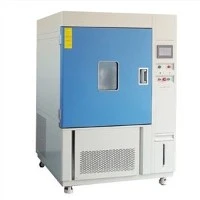
Hey there! I'm a supplier of heating ovens, and I often get asked about how to install a built-in heating oven. It might seem like a daunting task, but with the right guidance, it can be a smooth process. In this blog, I'll walk you through the steps to install a built-in heating oven, sharing some tips and tricks along the way.
Step 1: Preparation
First things first, you need to make sure you've got everything ready before you start the installation. This includes the heating oven itself, of course, but also some tools like a screwdriver, a level, and a measuring tape. You'll also want to check the installation area. Measure the space where you plan to put the oven to ensure it fits properly. The dimensions of the oven should match the space you've set aside for it.
It's also a good idea to read the instruction manual that comes with the oven. This manual will have specific details about your particular model, like the power requirements, ventilation needs, and installation steps. If you're not sure about something, don't hesitate to reach out to our support team. We're here to help!
Step 2: Power and Ventilation
The next step is to take care of the power and ventilation. Most built-in heating ovens require a dedicated electrical circuit. You should have a qualified electrician install the appropriate electrical outlet and wiring for your oven. This is crucial for safety reasons, as an improper electrical connection can lead to serious problems, like fires or electrical shocks.
Ventilation is also important. A well-ventilated oven will work more efficiently and last longer. Some ovens come with built-in ventilation systems, while others require an external vent to be installed. Make sure to follow the manufacturer's instructions regarding ventilation. If you need a vent installed, you might want to hire a professional to do it for you.
Step 3: Installing the Mounting Brackets
Now it's time to install the mounting brackets. These brackets are what will hold the oven in place. Start by attaching the brackets to the sides of the oven according to the instructions. Make sure they're securely fastened. Then, position the oven in the installation space and mark the spots where the brackets will attach to the cabinet or wall.
Use a level to ensure the oven is perfectly horizontal and vertical. This is important for both the appearance and the functionality of the oven. Once you've marked the spots, drill holes and insert the appropriate screws or bolts to attach the brackets to the cabinet or wall. Double-check that everything is secure before moving on.
Step 4: Placing the Oven
With the mounting brackets in place, you can now carefully place the oven into the installation space. Slide it in slowly, making sure it aligns with the brackets. Once it's in position, attach the oven to the brackets using the provided hardware. Again, make sure everything is tightened properly.
After the oven is attached, check the doors to make sure they open and close smoothly. Adjust the hinges if necessary. You might also want to test the controls to make sure they're working properly. If you notice any issues, don't worry. Just give us a call, and we'll help you troubleshoot.
Step 5: Final Checks
Before you start using your new built-in heating oven, there are a few final checks you should do. First, make sure all the electrical connections are secure and there are no loose wires. Check the ventilation system to ensure it's working correctly. You can do this by feeling for air flow near the vents.
Next, clean the oven thoroughly. Remove any packaging materials or debris that might have been left inside during the installation process. You can use a mild detergent and a soft cloth to clean the interior and exterior of the oven.


Finally, read the user manual again to familiarize yourself with the different functions and settings of the oven. This will help you get the most out of your new appliance.
Tips and Tricks
- Take your time: Installation is not a race. Make sure you follow each step carefully and double-check your work at every stage.
- Ask for help: If you're not comfortable with any part of the installation process, don't hesitate to ask for help. You can call our support team or hire a professional installer.
- Keep the packaging: It's a good idea to keep the original packaging of the oven for a while. If you need to move or return the oven for any reason, the packaging will come in handy.
Related Products
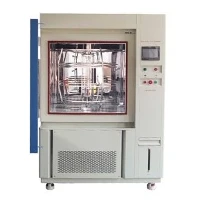
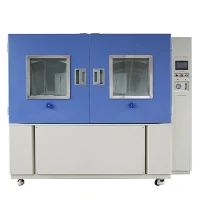
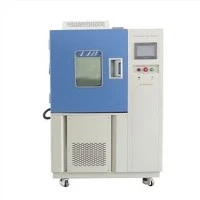
If you're interested in other temperature and climate control products, we also offer a range of options. Check out our Climatic Test Cabinet, which is perfect for testing the performance of products under different climatic conditions. We also have an Industry Drying Oven that can be used for various industrial drying applications. And if you're in the solar industry, our PV Panel Humidity Freeze Chamber is a great choice for testing the durability of PV panels.
Contact Us for Purchase and Consultation
If you're thinking about buying a built-in heating oven or any of our other products, we'd love to hear from you. Our team of experts can answer all your questions and help you choose the right product for your needs. Whether you're a homeowner looking to upgrade your kitchen or a business in need of industrial-grade equipment, we've got you covered. Reach out to us today to start the conversation about your purchase and installation requirements.
References
- Manufacturer's instruction manuals for heating ovens
- Electrical safety guidelines
- Ventilation installation best practices