


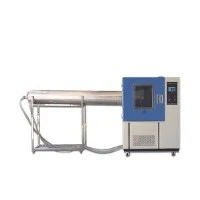
Hey there! As a supplier of IPx8 testers, I'm super stoked to dive into how these nifty machines test products with gaskets. You know, gaskets play a crucial role in making products waterproof, and our IPx8 testers are like the detectives that figure out if those gaskets are doing their job right.
First off, let's talk about what an IPx8 tester is. It's a piece of equipment designed to check if a product can withstand being submerged in water according to the IPx8 standard. The IP (Ingress Protection) rating system is used to define the level of protection provided by an enclosure against the intrusion of solid objects and water. The "x" in IPx8 means the protection against solids isn't specified, but the "8" indicates that the product can be continuously submerged in water under conditions specified by the manufacturer.
Now, when it comes to products with gaskets, the main goal of the IPx8 tester is to see if the gasket creates a tight seal that prevents water from getting into the product. Gaskets are usually made of rubber or other flexible materials and are placed between two parts of a product to fill the gap and stop water from seeping in.
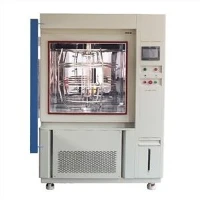
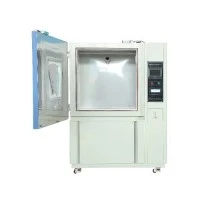
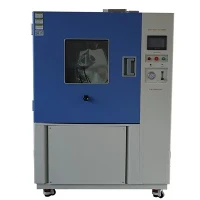
So, how does the testing process work? Well, it all starts with setting up the IPx8 tester. We've got different types of testers available, like the IP68 Test Machine and the Waterproof Water Ingress Test Chamber. These machines are designed to create the right conditions for testing.
The first step is to place the product with the gasket inside the tester. The tester is then filled with water to the specified depth and pressure according to the IPx8 standard. The product is left submerged for a certain period of time, which can vary depending on the requirements.
During the submersion, the IPx8 tester monitors for any signs of water ingress. This can be done in a few different ways. One common method is to use sensors that detect changes in pressure or humidity inside the product. If water starts to get in, it can cause a change in these parameters, and the sensors will pick it up.
Another way is to visually inspect the product after the test. The tester is drained, and the product is carefully examined for any signs of water, like droplets or moisture. Sometimes, we might also use special dyes in the water to make it easier to spot any leaks.
Now, let's talk about some of the challenges we might face when testing products with gaskets. One of the biggest issues is making sure the gasket is installed correctly. If the gasket is not seated properly or is damaged, it can lead to false results. That's why it's important to have a proper installation process in place before testing.
Another challenge is the variability of gaskets. Different materials and designs can have different levels of performance. Some gaskets might be more flexible and better at creating a seal, while others might be more rigid but less effective in certain situations. Our IPx8 testers are designed to handle a wide range of gaskets, but it's still important to understand the specific characteristics of each one.
We also need to consider the environment in which the product will be used. The IPx8 standard has some general guidelines, but the actual conditions in the real world can be quite different. For example, if the product will be used in saltwater or at high temperatures, these factors can affect the performance of the gasket and the overall waterproofing of the product.


To address these challenges, we've developed some advanced testing techniques. For example, we can simulate different environmental conditions inside the tester. We can adjust the temperature, salinity, and pressure to mimic real-world scenarios. This helps us get a more accurate picture of how the product with the gasket will perform in the long run.
Another thing we do is conduct multiple tests. We might start with a basic test to check for obvious leaks, and then follow it up with more detailed tests to look for smaller, hard-to-detect leaks. This multi-step approach helps us ensure the highest level of accuracy in our testing.
So, why is all this testing so important? Well, for manufacturers, it's crucial to know if their products are truly waterproof. A product that fails to meet the IPx8 standard can lead to customer dissatisfaction, returns, and even damage to the brand's reputation. By using our IPx8 testers, manufacturers can have confidence in the quality of their products and ensure they meet the required standards.
For consumers, it means they can trust that the products they buy are waterproof and will work as expected. Whether it's a smartphone, a smartwatch, or a piece of outdoor equipment, knowing that it has been tested to the IPx8 standard gives them peace of mind.
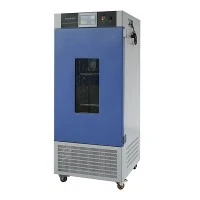
If you're in the market for an IPx8 tester, we've got a great range of options available. Our IPX7 IPX8 Water Immersion Test Equipment is designed to meet the needs of different industries and applications. We offer high-quality, reliable testers that are easy to use and maintain.
If you're interested in learning more about our IPx8 testers or have any questions about the testing process, don't hesitate to get in touch. We're here to help you ensure the waterproofing of your products and take your business to the next level.
In conclusion, testing products with gaskets using an IPx8 tester is a complex but essential process. It involves creating the right conditions, using advanced monitoring techniques, and addressing various challenges. By doing so, we can ensure that products meet the required waterproofing standards and provide peace of mind for both manufacturers and consumers.
References:
- International Electrotechnical Commission (IEC) standards on Ingress Protection (IP) ratings.
- Industry research on waterproofing technologies and testing methods.