

As a prominent IPX3 test service provider, I've witnessed firsthand the intricate interplay between environmental factors and test outcomes. Among these factors, temperature stands out as a critical variable that can significantly influence the results of IPX3 tests. In this blog post, we'll delve into the effects of temperature on IPX3 test results, exploring the underlying mechanisms and practical implications for manufacturers and product developers.
Understanding the IPX3 Test
Before we dive into the impact of temperature, let's briefly review the IPX3 test. The IPX3 rating is part of the Ingress Protection (IP) code system, which classifies the degree of protection provided by an enclosure against the ingress of solid objects and water. Specifically, IPX3 indicates protection against water spray falling at an angle up to 60 degrees from the vertical.
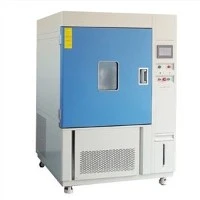
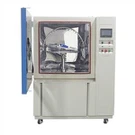
The IPX3 test involves subjecting the test specimen to a water spray for a specified duration using a calibrated test apparatus. The water is typically sprayed at a defined flow rate and pressure, simulating real-world exposure to rain or splashing water. The test is designed to evaluate the enclosure's ability to prevent water ingress and ensure the proper functioning of the equipment inside.
The Role of Temperature in IPX3 Testing
Temperature can affect IPX3 test results in several ways, primarily through its influence on the physical properties of the test specimen and the water used in the test. Let's explore some of the key mechanisms:


Thermal Expansion and Contraction
One of the most significant effects of temperature on IPX3 test results is thermal expansion and contraction. As the temperature changes, materials expand or contract, altering their dimensions and potentially affecting the integrity of the enclosure's seals and joints. For example, if the test specimen is exposed to high temperatures during the test, the materials may expand, causing gaps or cracks in the seals. This can allow water to penetrate the enclosure, leading to a failed test result.
Conversely, low temperatures can cause materials to contract, potentially tightening the seals and reducing the risk of water ingress. However, extreme cold can also make the materials more brittle, increasing the likelihood of cracking or damage during the test. Therefore, it's essential to consider the temperature range specified in the test standards and ensure that the test specimen is properly conditioned before testing.
Viscosity of Water
Temperature also affects the viscosity of water, which can impact the way it behaves during the IPX3 test. As the temperature decreases, the viscosity of water increases, making it more resistant to flow. This can result in a slower flow rate and reduced pressure during the water spray, potentially affecting the test's effectiveness in simulating real-world conditions.
On the other hand, high temperatures can reduce the viscosity of water, making it flow more easily. This can lead to a higher flow rate and pressure, increasing the likelihood of water ingress if the enclosure is not adequately sealed. Therefore, it's crucial to maintain the water temperature within the specified range to ensure consistent and accurate test results.
Condensation and Evaporation
Temperature variations can also cause condensation and evaporation, which can affect the moisture content inside the test specimen and the surrounding environment. Condensation occurs when warm, moist air comes into contact with a cold surface, causing the water vapor to condense into liquid water. This can lead to the accumulation of moisture inside the enclosure, potentially damaging the equipment and affecting its performance.
Evaporation, on the other hand, occurs when water is heated and turns into vapor. This can reduce the moisture content inside the enclosure, but it can also cause the water to evaporate before it has a chance to penetrate the seals, leading to false pass results. Therefore, it's important to control the temperature and humidity during the test to minimize the effects of condensation and evaporation.
Practical Implications for Manufacturers and Product Developers
The effects of temperature on IPX3 test results have several practical implications for manufacturers and product developers. Here are some key considerations:
Test Standard Compliance
When conducting IPX3 tests, it's essential to comply with the relevant test standards, which typically specify the temperature range and other environmental conditions for the test. Failure to meet these requirements can result in inaccurate test results and non-compliance with regulatory requirements. Therefore, manufacturers should ensure that their test facilities are equipped with the necessary temperature control equipment and that their test procedures are in line with the standards.
Product Design and Material Selection
Temperature considerations should also be taken into account during the product design and material selection process. Manufacturers should choose materials that are resistant to thermal expansion and contraction and have good sealing properties at different temperatures. They should also design the enclosure to minimize the effects of temperature variations and ensure that the seals and joints are properly installed and maintained.
Quality Control and Testing
To ensure the reliability and performance of their products, manufacturers should implement a comprehensive quality control and testing program that includes IPX3 testing at different temperatures. This can help identify potential issues and ensure that the products meet the required standards and specifications. Additionally, manufacturers should conduct regular calibration and maintenance of their test equipment to ensure accurate and consistent test results.
Our IPX3 Testing Services
As a leading IPX3 test service provider, we understand the importance of temperature control in ensuring accurate and reliable test results. Our state-of-the-art test facilities are equipped with advanced temperature control systems that allow us to simulate a wide range of environmental conditions, including different temperatures and humidity levels.
We offer a comprehensive range of IPX3 testing services, including custom test solutions tailored to the specific needs of our clients. Our experienced team of technicians and engineers has extensive knowledge and expertise in IPX3 testing and can provide valuable insights and recommendations to help our clients improve the quality and performance of their products.
In addition to IPX3 testing, we also offer a variety of other water ingress testing services, including MIL STD 810h Tester, JIS D0203 Rain Test Chamber, and IPX9k Test Chamber. Our goal is to provide our clients with high-quality testing services that meet their needs and exceed their expectations.
Conclusion
Temperature is a critical factor that can significantly influence the results of IPX3 tests. By understanding the effects of temperature on the physical properties of the test specimen and the water used in the test, manufacturers and product developers can take appropriate measures to ensure accurate and reliable test results.
At our IPX3 test service provider, we are committed to providing our clients with the highest quality testing services and the latest technology and expertise in the field. If you have any questions or would like to learn more about our IPX3 testing services, please contact us today to schedule a consultation. We look forward to working with you to ensure the success of your products.
References
- International Electrotechnical Commission (IEC). (2001). IEC 60529: Degrees of protection provided by enclosures (IP Code).
- American National Standards Institute (ANSI). (2004). ANSI/IEC 60529: Degrees of protection provided by enclosures (IP Code).
- Military Standard (MIL-STD). (2019). MIL-STD-810H: Environmental Engineering Considerations and Laboratory Tests.
- Japanese Industrial Standard (JIS). (2013). JIS D0203: Automotive parts -- Dust and water resistance test methods.