

Hey there! As an IPX3 test supplier, I often get asked about the difference between IPX3 and IPX4 tests. So, I thought I'd break it down for you in this blog post.
What are IPX3 and IPX4?
First off, let's talk about what these IPX ratings mean. The IP (Ingress Protection) code is a standard that defines the level of protection provided by an enclosure against the intrusion of solid objects (like dust) and liquids (like water). The first digit in the IP code refers to solid object protection, while the second digit is about liquid protection. In the case of IPX3 and IPX4, the "X" in the first position means that there's no specific rating for solid object protection, and we're mainly focused on water resistance.


IPX3 Test
The IPX3 test is designed to simulate rain. In this test, the equipment under test is exposed to water sprayed at an angle between 0° and 60° from the vertical. The water is sprayed using a specific nozzle, and the test usually lasts for a certain period.
The spray rate for an IPX3 test is typically around 0.7 liters per minute per meter of length of the spraying arc. The test is carried out for a total of 10 minutes, with 5 minutes of spraying on one side and then 5 minutes on the opposite side. This test is suitable for products that might be exposed to light rain or splashes, like some outdoor lighting fixtures or small electronic devices that are used in relatively sheltered outdoor areas.
As an IPX3 test supplier, I've seen all kinds of products go through this test. From small handheld gadgets to larger outdoor equipment, the IPX3 rating gives manufacturers an idea of how well their products can withstand light water exposure.
IPX4 Test
Now, let's move on to the IPX4 test. This test is more rigorous than the IPX3 test. In an IPX4 test, the equipment is exposed to water sprayed from all directions. The water is still sprayed using a specific nozzle, but the key difference is the angle of spraying.
The spray can come from any direction, simulating a more intense water exposure, like being in a heavy rainstorm or getting splashed by waves. The spray rate for an IPX4 test is similar to the IPX3 test, around 0.7 liters per minute per meter of length of the spraying arc. However, the test duration is also 10 minutes, but it's a continuous 10 - minute spray from all directions.
Products that need an IPX4 rating are usually those that are more likely to be exposed to heavy water splashes or rain. For example, some outdoor power tools, marine electronics, or sports equipment that is used in wet conditions.
Key Differences
- Spraying Angle: The most obvious difference between IPX3 and IPX4 tests is the spraying angle. In IPX3, the water is sprayed at an angle between 0° and 60° from the vertical, while in IPX4, it can come from any direction. This means that IPX4 - rated products need to be more comprehensively protected against water intrusion.
- Water Exposure Scenario: IPX3 simulates light rain or splashes, while IPX4 represents a more intense water exposure, like a heavy rainstorm or being splashed by waves. So, products with an IPX4 rating are generally more water - resistant.
- Application: IPX3 - rated products are suitable for less severe water exposure situations, such as sheltered outdoor use. IPX4 - rated products, on the other hand, are better for more challenging environments where they might be exposed to heavy water splashes.
Why Does It Matter?
Understanding the difference between IPX3 and IPX4 tests is crucial for both manufacturers and consumers. For manufacturers, it helps them determine the appropriate level of water protection for their products. They can choose the right test based on how the product will be used and the environment it will be in.
For consumers, the IP rating gives them an idea of the product's durability and reliability in wet conditions. If you're buying an outdoor device, knowing whether it has an IPX3 or IPX4 rating can help you decide if it's suitable for your needs.
Related Testing Equipment
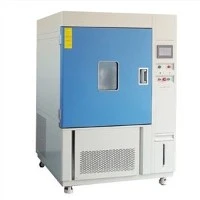
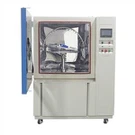
If you're involved in testing products for IP ratings, you might be interested in some of the testing equipment available. For example, the IPX9K Testing Chamber is used for even more extreme water - resistance testing. It's designed to simulate high - pressure, high - temperature water jets, which is suitable for products that need to withstand very harsh conditions, like automotive components.
The Leak Test Chamber is another useful piece of equipment. It can be used to detect any leaks in a product after it has gone through an IPX3 or IPX4 test. This helps ensure that the product meets the required water - resistance standards.
And if you specifically need to test products for IPX4 rating, the IPX4 Waterproof Tester is the way to go. It's designed to accurately simulate the IPX4 test conditions and provide reliable results.
Conclusion
In conclusion, the difference between IPX3 and IPX4 tests comes down to the spraying angle, the water exposure scenario, and the application of the products. IPX3 is for lighter water exposure, while IPX4 is for more intense water splashes.
If you're a manufacturer looking to test your products for water resistance, whether it's an IPX3 or IPX4 test, I'm here to help. We have the expertise and the equipment to ensure accurate and reliable testing results. If you're interested in discussing your testing needs or getting a quote, feel free to reach out. Let's work together to make sure your products are well - protected against water damage.
References
- International Electrotechnical Commission (IEC) standards on Ingress Protection (IP) codes.
- Industry guidelines on testing procedures for IPX3 and IPX4 ratings.