


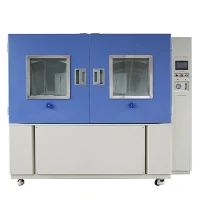
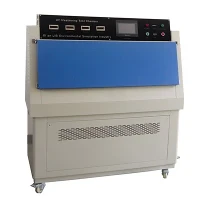
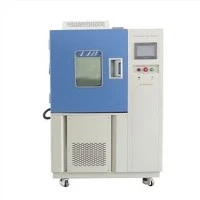

Yo, folks! As a supplier of Xenon testers, I've been getting a bunch of questions lately about what varnish properties can be tested using our nifty Xenon testers. So, I thought I'd sit down and write this blog to clear things up.
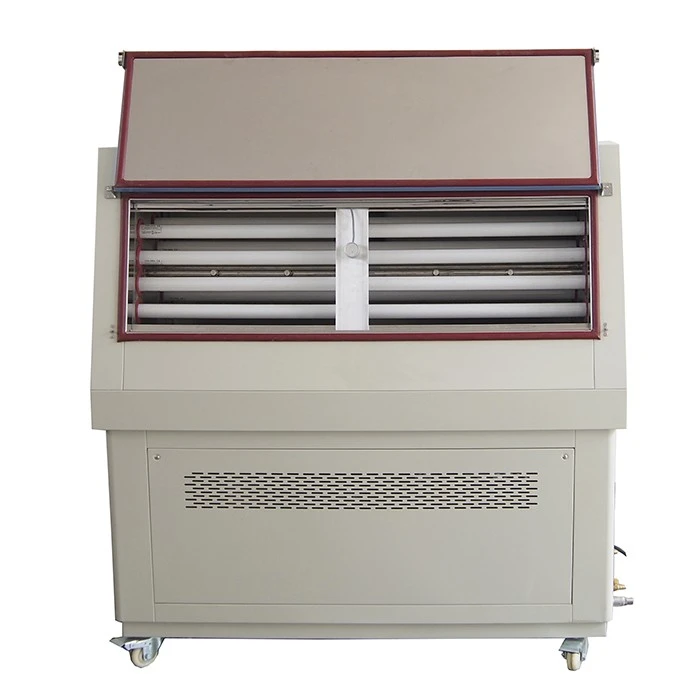
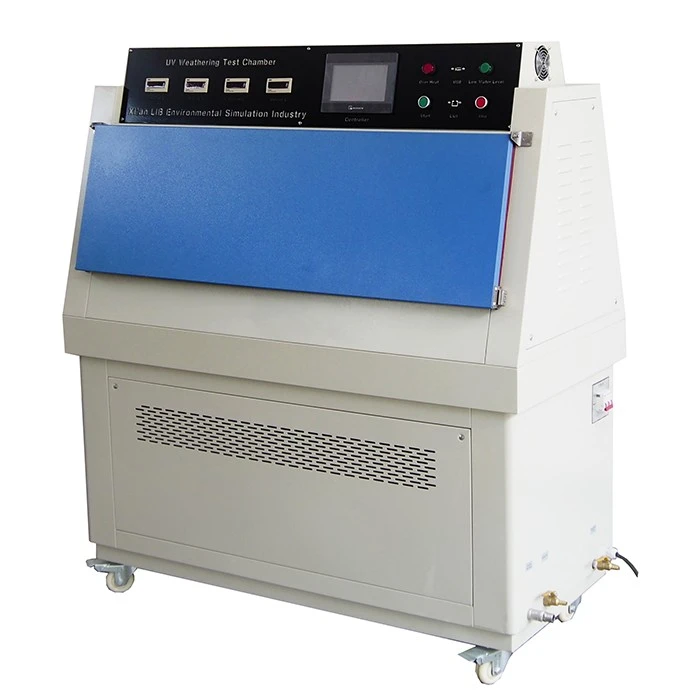
First off, let's talk about what a Xenon tester is. It's a piece of equipment that mimics the effects of natural sunlight, including UV rays, heat, and moisture. This is super useful because it allows us to test how varnishes will hold up over time in real - world conditions, but in a much shorter period.
Colorfastness
One of the most important properties of varnish that can be tested with a Xenon tester is colorfastness. You know how some varnishes start to fade or change color after being exposed to sunlight for a while? Well, our Xenon tester can simulate years of sun exposure in just a few weeks.
By putting a varnish sample in the tester and subjecting it to a controlled amount of light and heat, we can observe how the color changes. This is crucial for industries like automotive, furniture, and architectural coatings, where maintaining the original color of the product is a big deal. For example, if you're using a varnish on a car's exterior, you don't want it to start looking dull or changing color after a few months of driving in the sun.
Gloss Retention
Gloss is another key property of varnish. A high - gloss varnish gives a shiny, smooth finish, which is often desirable for aesthetic reasons. However, over time, exposure to sunlight and other environmental factors can cause the gloss to diminish.
Our Xenon tester can help us measure how well a varnish retains its gloss. We can set up the tester to expose the varnish sample to different levels of light and heat, and then measure the gloss before and after the test. This data is super valuable for manufacturers, as it allows them to develop varnishes that maintain their gloss for longer periods. Whether it's a high - end piece of furniture or a sleek architectural structure, a varnish that retains its gloss can significantly enhance the overall appearance.
Adhesion
Adhesion is all about how well the varnish sticks to the substrate. If a varnish doesn't adhere properly, it can start to peel, flake, or bubble, which is a major problem.
The Xenon tester can play a role in testing adhesion. When the varnish is exposed to the simulated sunlight, heat, and moisture in the tester, it undergoes thermal expansion and contraction, just like it would in the real world. This can put stress on the bond between the varnish and the substrate. By examining the varnish sample after the test, we can determine if there are any signs of adhesion failure. For instance, if you're using a varnish on a wooden surface, proper adhesion is essential to ensure the longevity of the finish.
Hardness
Hardness is an important property, especially for varnishes that will be subjected to wear and tear. A hard varnish can resist scratches, abrasions, and other forms of damage.
In the Xenon tester, we can expose the varnish to conditions that can affect its hardness. The combination of light, heat, and moisture can cause chemical changes in the varnish, which may either increase or decrease its hardness. By using hardness testing methods before and after the Xenon test, we can evaluate how the varnish's hardness is affected by environmental exposure. This information is vital for applications where durability is key, such as industrial coatings or floor finishes.
Chemical Resistance
Varnishes often need to resist various chemicals, such as solvents, acids, and alkalis. The Xenon tester can be used in conjunction with chemical exposure tests to evaluate how well a varnish holds up.
We can first expose the varnish sample to the simulated sunlight in the Xenon tester to mimic long - term environmental exposure. Then, we can subject the sample to different chemicals and observe how it reacts. This helps us understand if the varnish's chemical resistance is affected by prior exposure to sunlight and other environmental factors. For example, in a marine environment, a varnish on a boat needs to resist not only the sun but also saltwater and other chemicals that it may come into contact with.
Now, if you're in the market for a Xenon tester or other related equipment, we've got you covered. We also offer Accelerated UV Testing Equipment, which is great for more focused UV testing. Our Xenon Lamp Solar Simulator Chamber provides an even more accurate simulation of natural sunlight. And if you're involved in the photovoltaic industry, our PV Humidity Environmental Chamber is a must - have for testing PV modules under different humidity conditions.
If you're interested in learning more about our products or have any questions about varnish testing, don't hesitate to reach out. We're always happy to have a chat and help you find the right solution for your testing needs. Whether you're a small - scale manufacturer or a large - scale industrial company, we've got the expertise and equipment to support you.
References
- ASTM International standards related to varnish testing
- Industry research papers on the effects of sunlight on varnish properties
- Technical manuals of Xenon testers and related testing equipment